
Categories
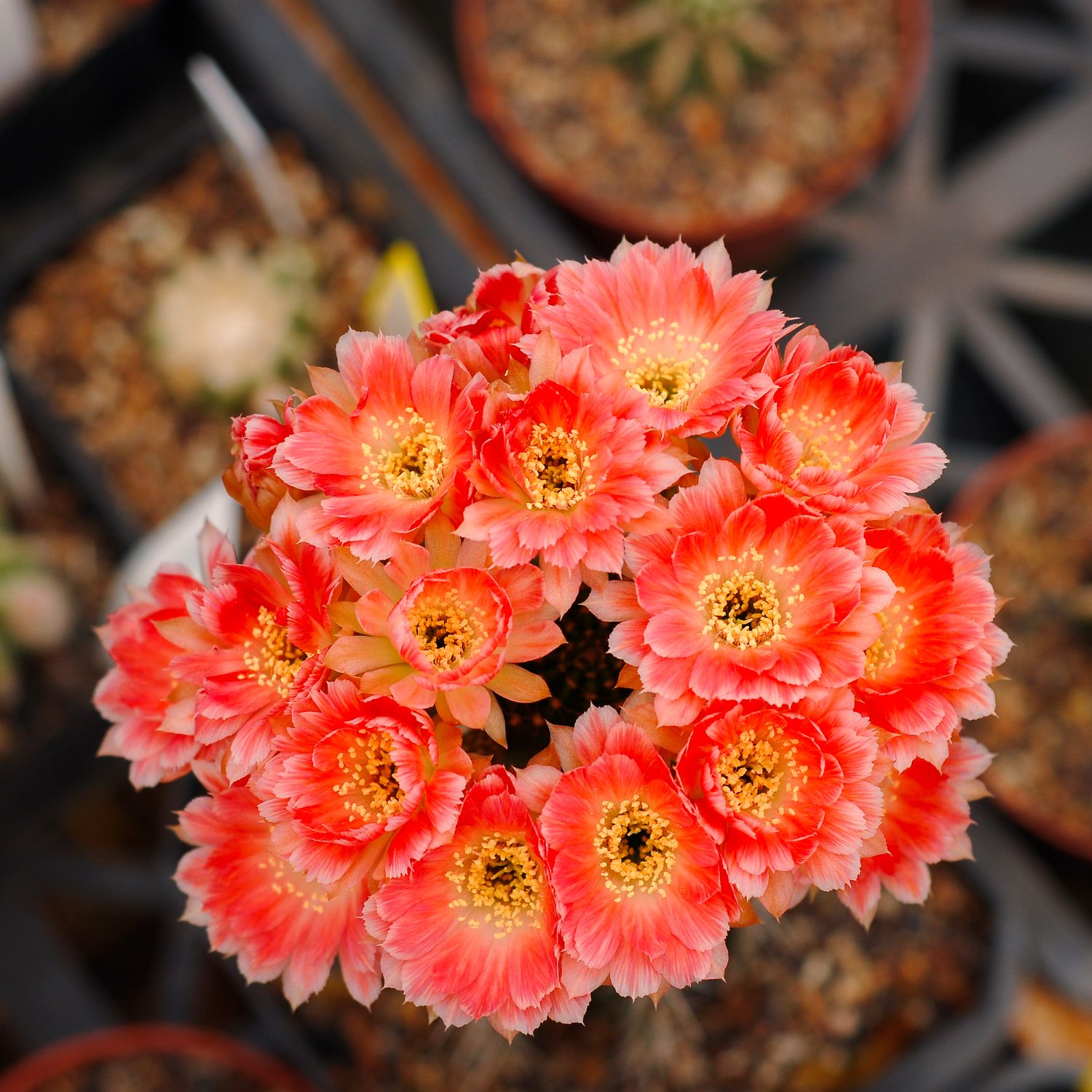
Lobivia Thai hybrid RW2
SKU LET287
₹650.00
Sold out
Sold out
Save this product for later
Customer reviews
Reviews only from verified customers
No reviews yet. You can buy this product and be the first to leave a review.
Lobivia Thai hybrid RW2
Product Details
Experience the vibrant artistry of Southeast Asian succulent breeding with the Lobivia Thai Hybrid 'RW2'. A spectacular example of modern hybridizing, this variety is prized for its high-contrast "target" blooms and its ability to produce a breathtaking volume of flowers.
1. Breeding History
The genus Lobivia (now often classified under Echinopsis) has undergone a dramatic transformation in recent years, particularly within the specialized nurseries of Thailand. Thai breeders have revolutionized these plants, focusing on intense bicolors and high flower counts. 'RW2' is a select cultivar from this elite breeding tradition. To ensure the distinctive white-tipped pattern and crimson saturation remain identical to the original specimen, all our 'RW2' plants are vegetatively propagated. This method guarantees that your plant will exhibit the same spectacular floral characteristics as the mother plant in our library.
2. Origin of Name
The name 'Lobivia' is a clever geographical anagram of Bolivia, the country where many of the parent species were first discovered. The designation 'RW2' follows the modern Thai horticultural convention, where "RW" typically represents the initials of the specific hybridizer or the breeding line, and "2" denotes the second successful selection from that cross. Historically, Thai hybrids are named with alphanumeric codes to track the complex lineage of multi-generational crosses.
3. Origin of Plant
While 'RW2' is a Thai hybrid of garden origin, its genetic roots are found in the rugged, high-altitude landscapes of the South American Andes, specifically in Bolivia, Peru, and Northern Argentina. These plants were first collected by European botanists in the 19th century. In the last 20 years, Thai breeders have refined these high-altitude survivors, selecting for the most vibrant pigments and the most prolific blooming habits, resulting in "super-hybrids" like the RW2.
4. Description
Lobivia 'RW2' is a visual firework.
- The Flower: The flowers are medium-sized but are produced in incredible numbers. The petals are a deep, saturated crimson red to dark orange, creating a bold contrast against the distinctive white tips. At the center, a clean white core (throat) draws the eye inward, creating a striking "bullseye" effect.
- Blooming Habit: This variety is exceptionally floriferous. When grown on its own roots, it is a generous bloomer, but when grafted, it becomes a spectacular display piece, often producing a "crown" of numerous flowers that can completely obscure the plant body.
- The Body: It typically features a globose, dark green body with well-defined ribs and short, radial spines that are easy to handle.
5. Conservation Status
As a man-made hybrid, Lobivia 'RW2' is not a wild species and is not listed as endangered. However, the international trade of its parent species is regulated under CITES Appendix II. By purchasing nursery-grown Thai hybrids, collectors support the legal horticultural trade, which helps diminish the pressure on wild cactus populations in South America.
6. Care
- Light: Requires very bright, direct light to maintain its compact shape and to intensify the crimson and white flower colors.
- Watering: Follow the "soak and dry" method. Thai hybrids like 'RW2' enjoy consistent watering during the hot summer months but must have excellent drainage.
- Soil: Use a mineral-heavy, porous mix (pumice, perlite, and coarse sand).
- Temperature: Thrives in warmth (60°F–95°F). While it can tolerate cooler temperatures during winter dormancy, it should be protected from frost.
- Grafting Tip: If you receive a grafted specimen, ensure the "rootstock" (the bottom plant) is also kept healthy, as it provides the energy for the RW2’s massive flower displays.
7. Interesting Anecdote
The rise of the "Thai Lobivia" is one of the most exciting chapters in modern succulent history. In the early 2000s, a few Thai growers began treating Lobivias like "living jewels," using grafting techniques—often onto Hylocereus or Pereskia—to speed up the growth and flowering cycles. This allowed them to see the results of their crosses in half the time it took traditional breeders. The 'RW2' is a product of this "fast-track" beauty, where the goal was to create a plant that didn't just bloom, but exploded with color. Today, these Thai hybrids are considered the "Gold Standard" for collectors who want maximum floral impact in a small space.
You May Also Like
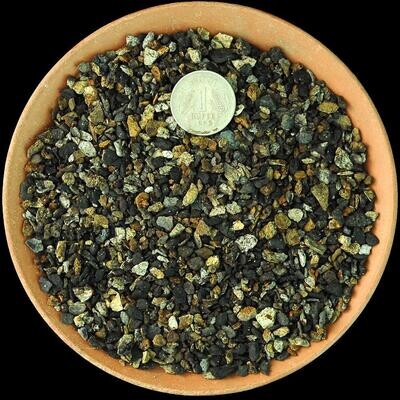
Cactus & Succulent Planting Mix COARSE (aka Cactus Soil Mix or Succulent Soil Mix)
Cactus & Succulent Planting Mix COARSE (aka Cactus Soil Mix or Succulent Soil Mix)
Washed, Free-Draining Mineral Mix for Cactus & Succulents
SKU MNS003
5.0
(1)
₹44.85
New


Monsoon Guardian Kit (5 in 1)
Monsoon Guardian Kit (5 in 1)
Complete 5-in-1 biological protection kit for cacti & succulents
SKU MNS024
₹850.00
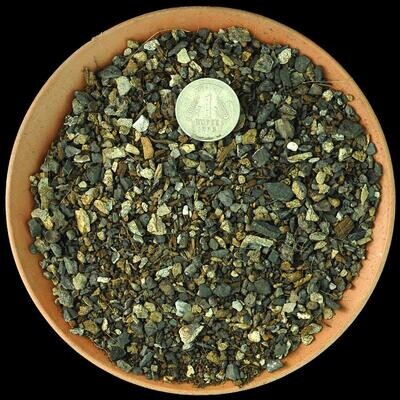
FORTIFIED Cactus & Succulent SOIL (COARSE)
FORTIFIED Cactus & Succulent SOIL (COARSE)
SKU MNS004
5.0
(11)
₹54.85
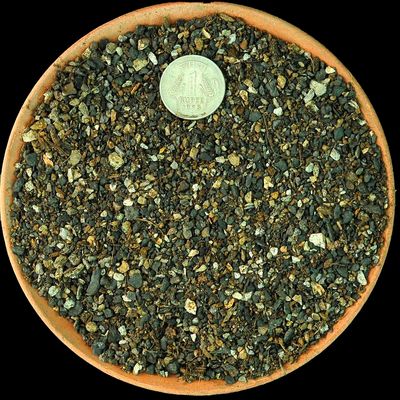
FORTIFIED Cactus & Succulent SOIL (FINE)
FORTIFIED Cactus & Succulent SOIL (FINE)
SKU MNS002
5.0
(4)
₹49.85
Display prices in:INR
