
Categories
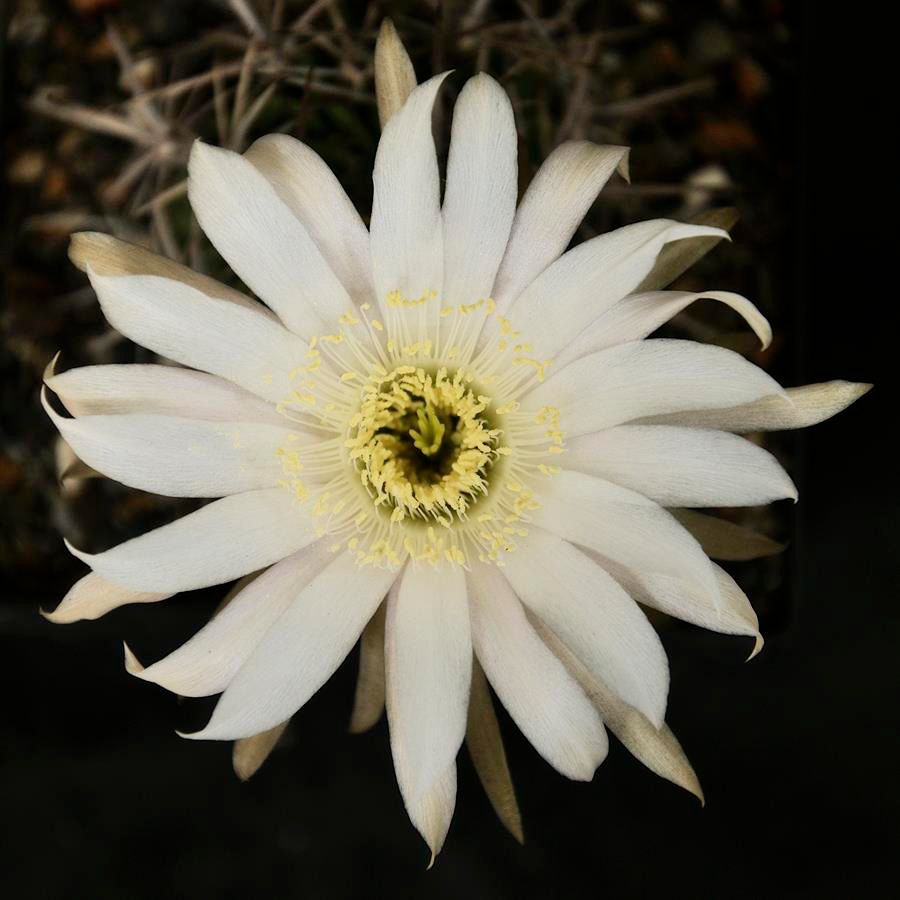
Lobivia ferox Mal Paso , Culpina
SKU LET004
₹550.00
Sold out
Sold out
Save this product for later
Customer reviews
Reviews only from verified customers
No reviews yet. You can buy this product and be the first to leave a review.
Lobivia ferox Mal Paso , Culpina
Product Details
High-Altitude Elegance: Lobivia ferox 'Mal Paso, Culpina'
A connoisseur’s specimen featuring a stark contrast between its formidable spination and ethereal, multi-layered white blooms.
- Origin & History of Name: The genus Lobivia is an anagram of Bolivia, the country where most species originate. The specific epithet ferox is Latin for "fierce," referencing the plant's aggressive spine structure. "Mal Paso" (Bad Pass) and "Culpina" denote the specific high-altitude geographical localities in the Chuquisaca Department of Bolivia where this distinct population was identified.
- Morphology: This globose cactus features a glaucous green epidermis and prominent, tuberculate costae (ribs). It is distinguished by its exceptionally long, curved, and interlocking radial and central spines that provide a protective lattice. The bloom is a multi-layered, funnel-shaped floral structure with acuminate (pointed) petals and a dense, pollen-rich stamen cluster.
- Habitat & Origin: This is a naturally occurring wild species found in the rocky, high-elevation terrains of Culpina, Bolivia. These plants are evolved for extreme UV exposure and temperature fluctuations. Our specimens are produced via sustainable nursery propagation to prevent the poaching of wild Andean populations.
- Cultivation Profile:
- Substrate: Use a strictly mineral-based mix (60% pumice or grit, 40% coarse sand/loam) to ensure rapid drainage.
- Light: Requires full, direct sunlight; in the Indian subcontinent, provide slight afternoon shading during peak May–June heat to prevent epidermal scorching.
- Water/Dormancy: Water deeply only when the medium is bone-dry. Enforce a strict dry dormancy from November to February to mimic the Andean winter and trigger spring flowering.
- Scientific/Historical Anecdote: Lobivia ferox was once classified under Echinopsis, but its distinct, short-tubed flowers and high-altitude adaptations led botanists to maintain its Lobivia identity in specialized collections. The "Mal Paso" locality is famous among succulent explorers for its treacherous terrain, which naturally isolates these populations and preserves their unique genetic traits.
You May Also Like
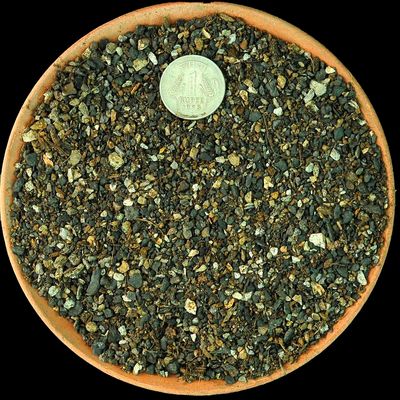
FORTIFIED Cactus & Succulent SOIL (FINE)
FORTIFIED Cactus & Succulent SOIL (FINE)
SKU MNS002
5.0
(4)
₹49.85


Cactus Seed Planting Mix
Cactus Seed Planting Mix
Sterile, Fine-Grain Media for Cactus & Succulent Seeds
SKU MNS005
₹74.85
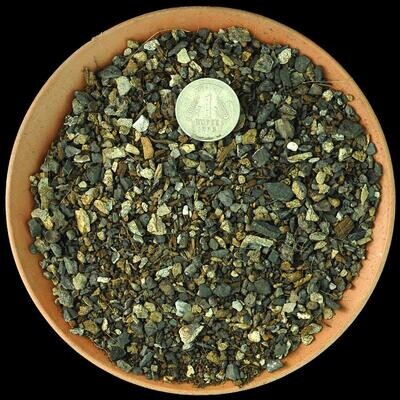
FORTIFIED Cactus & Succulent SOIL (COARSE)
FORTIFIED Cactus & Succulent SOIL (COARSE)
SKU MNS004
5.0
(11)
₹54.85
New


Monsoon Guardian Kit (5 in 1)
Monsoon Guardian Kit (5 in 1)
Complete 5-in-1 biological protection kit for cacti & succulents
SKU MNS024
₹850.00
Display prices in:INR
