
Categories
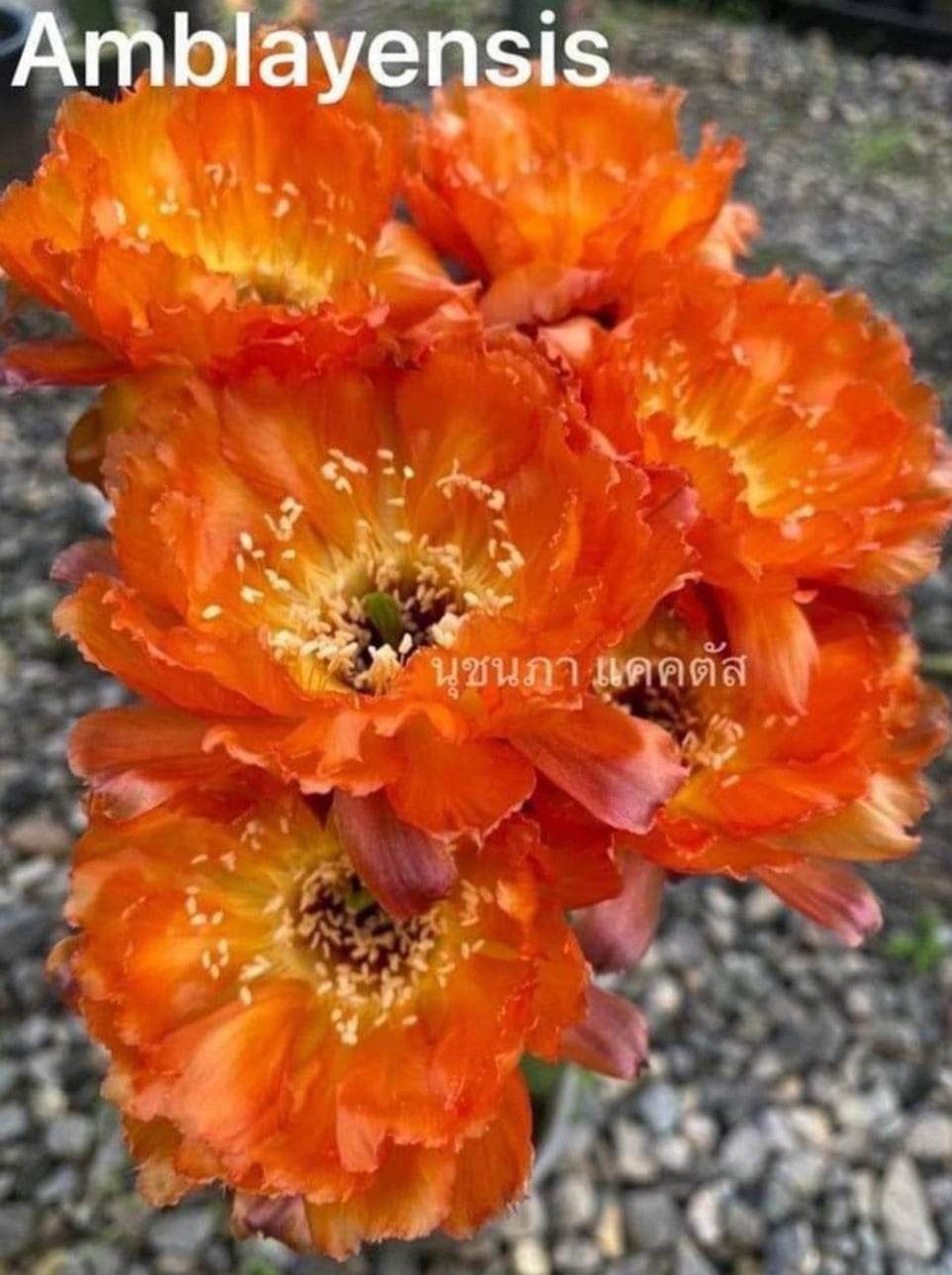
Lobivia hybrid Amblayensis
SKU LET375
₹950.00
In stock: 1 available
1
Save this product for later
Customer reviews
Reviews only from verified customers
No reviews yet. You can buy this product and be the first to leave a review.
Lobivia hybrid Amblayensis
Product Details
Lobivia Amblayensis
Molten orange stacked on orange — clusters of ruffled, wide-throated blooms with fringed petal edges, opening in generous multiples from a single body. Where many collector cacti flower shy and solitary, 'Amblayensis' flowers loud and in numbers, turning a single plant into a small bouquet.
Origin of Name
The species epithet amblayensis is a classic geographic name in botanical Latin — formed by taking a place name and adding the suffix -ensis, meaning "from" or "belonging to" that place. Here, it points directly to Amblayo, a locality in Salta Province, Argentina, high in the Andean foothills where the species was first documented. This is one of the most common and straightforward naming conventions in cactus taxonomy: rather than describing a physical trait, the name simply anchors the plant to the exact spot on the map where it was found.
The species was described by Austrian cactus specialist Walter Rausch, one of the most prolific field botanists working on South American Lobivia and Echinopsis in the second half of the 20th century, known for extensive collecting expeditions through Bolivia and Argentina. Like much of the Lobivia complex, this species has passed through a tangle of synonymy over the decades — it has also been classified at various points as Echinopsis densispina var. amblayensis and Lobivia haematantha var. amblayensis, reflecting ongoing scientific debate over how finely to split this closely related group of Andean cacti. Note that despite the "hybrid" label sometimes attached to it in cultivation, amblayensis is in fact a true wild species, not a man-made cross — the "hybrid" tag likely reflects informal nursery labelling rather than its actual botanical status. LLIFLE LLIFLE
Regarding genus placement: whether filed under Lobivia or Echinopsis, the broader genus name reflects the same story — Lobivia as an anagram of Bolivia, coined by Britton and Rose in 1922, and Echinopsis from the Greek for "hedgehog-like," referencing the spiny, globular young growth typical of the group.
Origin of Plant
This species is native to Amblayo in Salta Province, Argentina, growing at altitudes between roughly 2,800 and 3,600 metres above sea level — firmly within the high-Andean zone that defines so much of the Lobivia/Echinopsis complex's natural range. At these elevations, plants face intense daytime sun, sharp overnight temperature drops, and thin, mineral-poor, fast-draining soils on rocky slopes — conditions that have shaped the genus's compact growth habit and thick, water-storing tissue across the board. LLIFLE
The species has also been recorded across a range spanning roughly 2,200 to 3,600 metres in the surrounding region, suggesting a reasonably wide altitudinal tolerance within its home territory. As with many high-Andean cacti, its restricted geographic range — tied to one named locality — is part of what makes wild collection sensitive and cultivated propagation valuable for the trade. LLIFLE
Description
'Amblayensis' produces broad, funnel-shaped flowers in a vivid orange-red, with slightly ruffled, fringed petal margins that catch the light and give the bloom a slightly frilled, textured edge rather than a smooth one. The flowers are notable for their vibrant orange-red coloring paired with a green stigma, creating a striking contrast at the flower's centre against the warm petal tones. Golden-cream stamens fill the throat in dense numbers, adding further textural richness against the surrounding orange. Succulent Alley
One of the species' most appealing traits in cultivation is its tendency to flower in clusters rather than singly — as seen here, several blooms often open together from the same compact body, creating a dense, layered floral display disproportionate to the plant's modest size. Growers have described the flower as genuinely difficult to do justice to in words, calling it "a real eye catcher." LLIFLE
Conservation Status
The Cactaceae family is broadly protected under CITES Appendix II, regulating international trade in wild-collected specimens. Lobivia amblayensis is not currently considered a threatened species, though like many cacti with a restricted natural range, it may be vulnerable to habitat destruction and other pressures over time. Cultivated, nursery-propagated specimens like this one typically qualify for the artificially propagated exemption under CITES, allowing collectors to enjoy the species without drawing on its limited wild population. Botanicohub
Care
- Light: Full sun to very bright light is essential for compact growth and strong flowering, reflecting the intense high-altitude sun of its native Andean habitat.
- Watering: This is a summer-growing species that presents no particular cultivation difficulty, but it is very sensitive to rot in the presence of humidity combined with low temperatures — water regularly through the growing season, but always allow the soil to dry out fully between waterings. LLIFLE
- Soil: Use a particularly free-draining substrate — a mineral-heavy cactus mix with generous pumice or grit. Terracotta pots are strongly preferred over plastic, as their porous walls help excess moisture evaporate rather than linger around the roots. LLIFLE
- Temperature: This species is quite frost-resistant when kept dry, tolerating temperatures down to around -5°C — but only if soil moisture is kept low during cold spells, since cold-and-wet conditions together are the real danger. LLIFLE
- Feeding: Feed with a high-potassium fertilizer during the summer growing season to support strong flowering and healthy tissue. LLIFLE
- Repotting: Repot in spring once the roots become cramped in their current container. LLIFLE
A Story Worth Telling
Named plants like 'Amblayensis' are living records of a single Andean valley — a reminder that many of the boldest-flowering cacti in cultivation today weren't bred in a greenhouse at all, but discovered clinging to a specific rocky slope by field botanists like Walter Rausch, whose decades of expeditions through Bolivia and Argentina turned isolated mountain populations into names now grown in collections worldwide. Every time this species flowers in cultivation, it's echoing a very particular high-altitude corner of Salta Province — proof that a plant's name can be less about poetry and more about a precise pin dropped on a map, decades ago, by someone willing to climb to 3,000 metres to find it.
You May Also Like
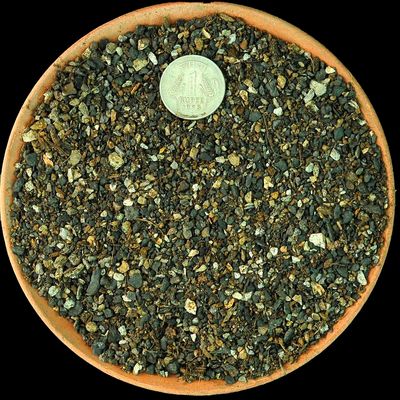
FORTIFIED Cactus & Succulent SOIL (FINE)
FORTIFIED Cactus & Succulent SOIL (FINE)
SKU MNS002
5.0
(4)
₹49.85
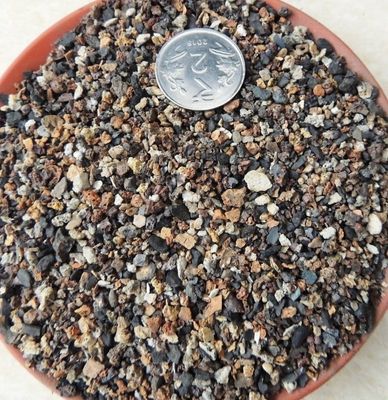
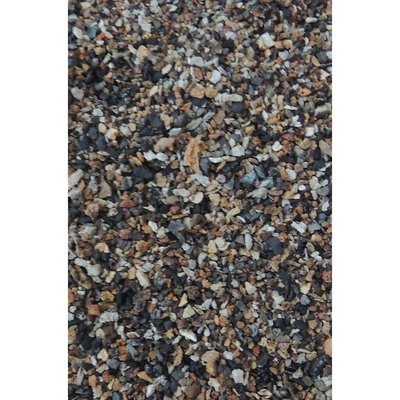
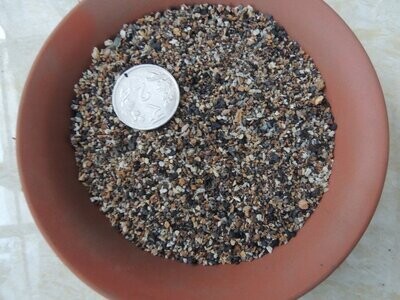
Cactus & Succulent Planting Mix FINE (aka Cactus Soil Mix or Succulent Soil Mix)
Cactus & Succulent Planting Mix FINE (aka Cactus Soil Mix or Succulent Soil Mix)
Fine-Grain Potting Mix for Cactus & Succulent Roots
SKU MNS001
5.0
(3)
₹39.85
Cactus Seed Planting Mix
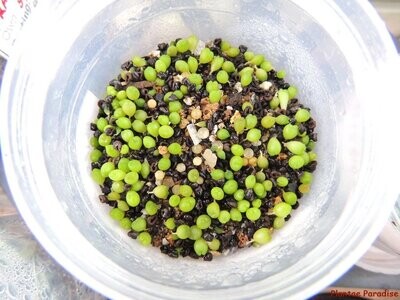
Cactus Seed Planting Mix
Sterile, Fine-Grain Media for Cactus & Succulent Seeds
SKU MNS005
₹74.85
FORTIFIED Cactus & Succulent SOIL (COARSE)
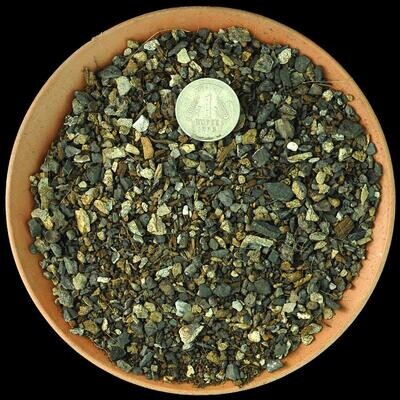
FORTIFIED Cactus & Succulent SOIL (COARSE)
SKU MNS004
5.0
(11)
₹54.85
Display prices in:INR
