
Categories
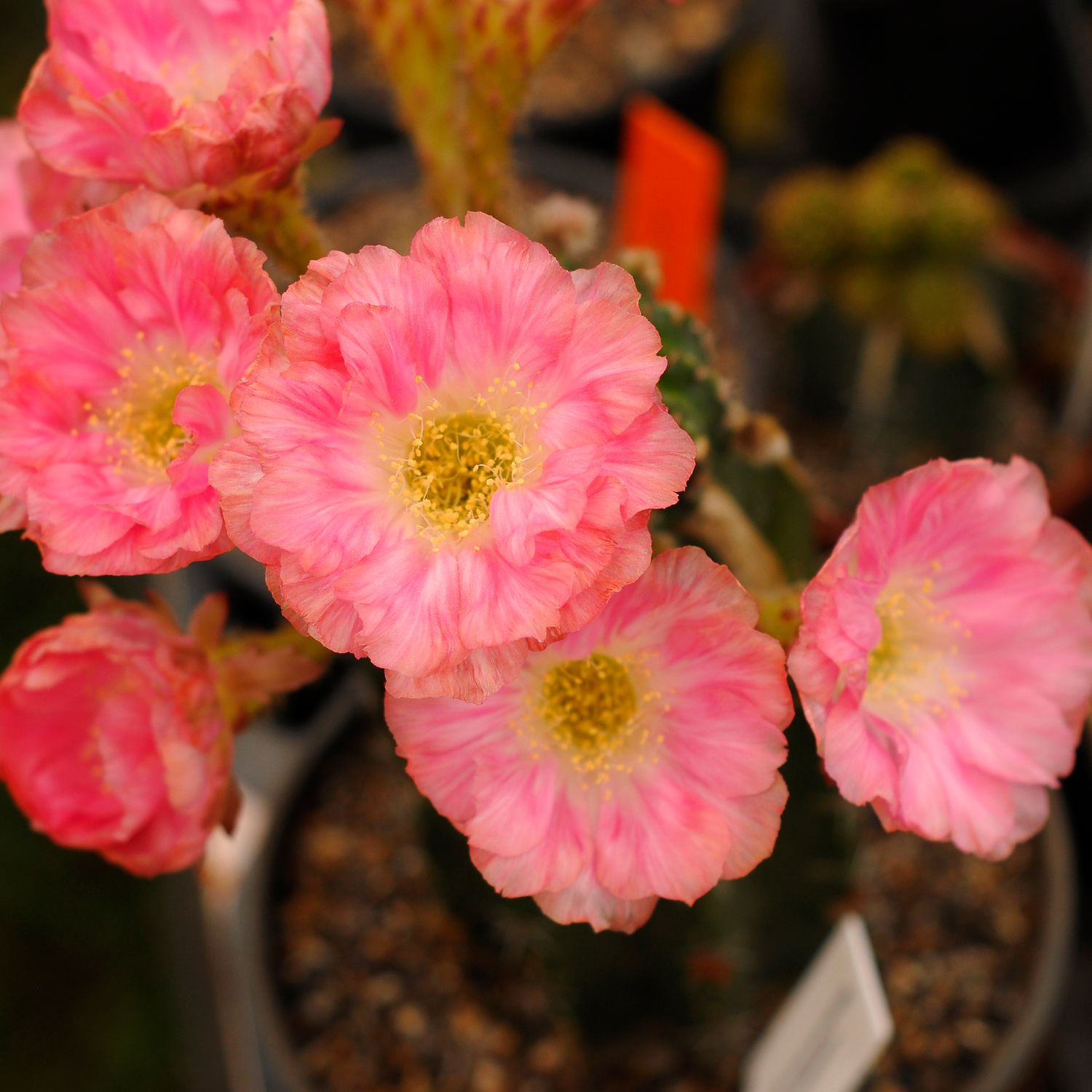
Lobivia hybrid Aphrodite
SKU LET291
₹650.00
An award-worthy hybrid showcasing scarlet layered flowers with a luminous green throat that becomes the centrepiece of any collection.
In stock: 1 available
1
Save this product for later
Customer reviews
Reviews only from verified customers
No reviews yet. You can buy this product and be the first to leave a review.
Lobivia hybrid Aphrodite
Product Details
Lobivia Hybrid 'Aphrodite'
A dreamy cascade of candy-pink blooms with a sunlit golden heart — this hybrid brings a soft, romantic elegance to the usually fiery world of cactus flowers.
1. Origin of Name
The genus Lobivia is an anagram of Bolivia, coined in 1922 by botanists Nathaniel Lord Britton and Joseph Nelson Rose in their influential text The Cactaceae, honoring the Bolivian Andes as the heartland of the group's wild species. While many botanists now classify these plants within the broader genus Echinopsis, the name Lobivia remains firmly in use among cactus growers and collectors, particularly for named hybrid cultivars.
The cultivar name 'Aphrodite' draws on the Greek goddess of love and beauty — a fitting choice for a flower whose soft, blushing pink petals and delicate ruffled form evoke romance and grace rather than the bold, fiery tones typical of many Lobivia hybrids. Naming flowering cactus cultivars after mythological figures of beauty and love is a common practice among hybridizers, who often reach for names that capture a bloom's emotional impression as much as its physical traits. As a hybrid, 'Aphrodite' was purposefully bred by cactus specialists selecting for this delicate pink coloration and refined petal form, rather than being a naturally occurring wild variety.
2. Origin of Plant
'Aphrodite's' wild genetic heritage traces to the high-altitude Andean regions of Bolivia, Peru, and northern Argentina, where ancestral Lobivia species grow clinging to rocky slopes and grasslands at elevations often above 2,000 meters. In this harsh, high-UV, cold-night environment, these cacti evolved compact growth habits and a strong flowering response — traits hybridizers have since intensified through selective breeding to produce more elaborate, richly colored blooms like those seen in 'Aphrodite.'
3. Description
'Aphrodite' produces a small, ribbed, spiny cactus body that clusters modestly, but it is the flowers that define this cultivar. Each bloom opens into a broad, layered rosette of soft pink petals, delicately veined with deeper rose-pink streaks that intensify toward the petal tips, while the base of each petal fades to a pale, creamy blush near the center. At the heart of the flower sits a dense, golden-yellow boss of stamens, creating a warm, sunny contrast against the cool pink petals. The overall effect is soft and almost floral in the traditional garden-rose sense, distinguishing 'Aphrodite' from the hot reds and oranges more typical of the Lobivia hybrid world. Plants often produce several blooms in flushes, creating a generous, nodding cluster of flowers around the compact cactus body.
4. Conservation Status
'Aphrodite' is a cultivated hybrid, existing only through deliberate nursery propagation, and carries no formal conservation status. Its wild Lobivia/Echinopsis ancestors in the Andes face habitat pressures from mining, agriculture, and over-collection, and several related species are listed under CITES Appendix II to regulate international trade and protect wild populations. Choosing hybrids like 'Aphrodite' lets collectors enjoy exceptional flowers while supporting sustainable, nursery-grown horticulture.
5. Care
- Light: Requires full sun to very bright light for compact form and strong flowering — aim for at least 6 hours of direct sun, or the brightest spot available indoors.
- Watering: Water thoroughly during active growth in spring and summer, allowing the soil to dry out fully between waterings. Reduce watering significantly in winter to encourage dormancy and support the next season's blooms.
- Soil: Plant in a gritty, fast-draining cactus mix — a combination of potting soil with pumice, perlite, or coarse sand prevents waterlogged roots.
- Temperature: Enjoys warm days with cooler nights; tolerates mild winter chill (around 5–10°C / 40–50°F) when kept dry, which helps trigger reliable spring flowering.
- Fertilizing: Feed with a low-nitrogen, phosphorus-rich cactus fertilizer during the growing season to encourage abundant, healthy blooms.
- Tip: For the fullest flush of flowers, avoid moving or rotating the plant once buds appear — sudden changes in light direction can cause buds to abort before opening.
An Engaging Aside
Pink-flowered Lobivia hybrids like 'Aphrodite' are often especially prized on the show bench because true, clear pink is genetically trickier to achieve and stabilize than the reds and oranges that dominate the group — many pink cultivars show subtle color-shifting depending on temperature and light intensity during bud development, meaning the exact shade of a bloom can vary slightly from one flowering season to the next, making each display a little different every year.
You May Also Like
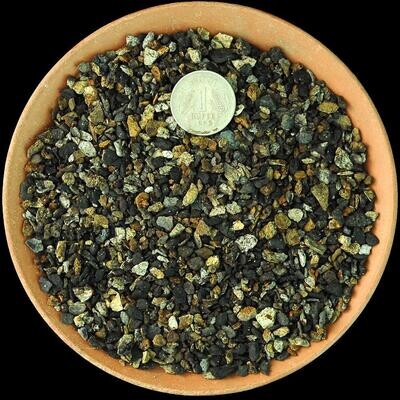
Cactus & Succulent Planting Mix COARSE (aka Cactus Soil Mix or Succulent Soil Mix)
Cactus & Succulent Planting Mix COARSE (aka Cactus Soil Mix or Succulent Soil Mix)
Washed, Free-Draining Mineral Mix for Cactus & Succulents
SKU MNS003
5.0
(1)
₹44.85

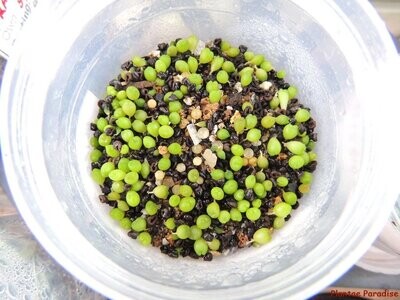
Cactus Seed Planting Mix
Cactus Seed Planting Mix
Sterile, Fine-Grain Media for Cactus & Succulent Seeds
SKU MNS005
₹74.85
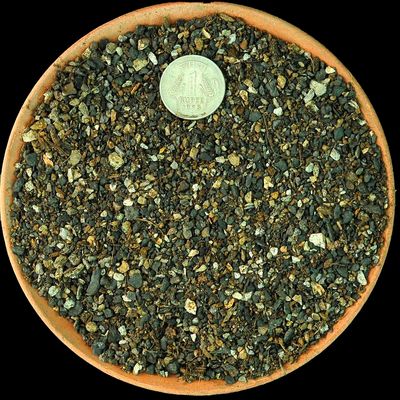
FORTIFIED Cactus & Succulent SOIL (FINE)
FORTIFIED Cactus & Succulent SOIL (FINE)
SKU MNS002
5.0
(4)
₹49.85
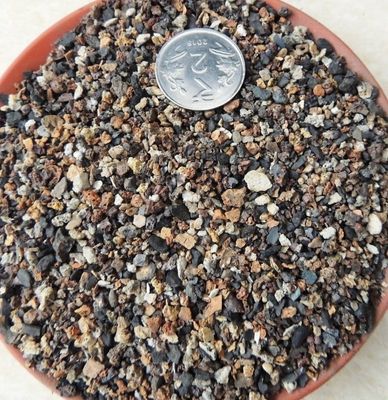
Cactus & Succulent Planting Mix FINE (aka Cactus Soil Mix or Succulent Soil Mix)
Cactus & Succulent Planting Mix FINE (aka Cactus Soil Mix or Succulent Soil Mix)
Fine-Grain Potting Mix for Cactus & Succulent Roots
SKU MNS001
5.0
(3)
₹39.85
Display prices in:INR
