
Categories
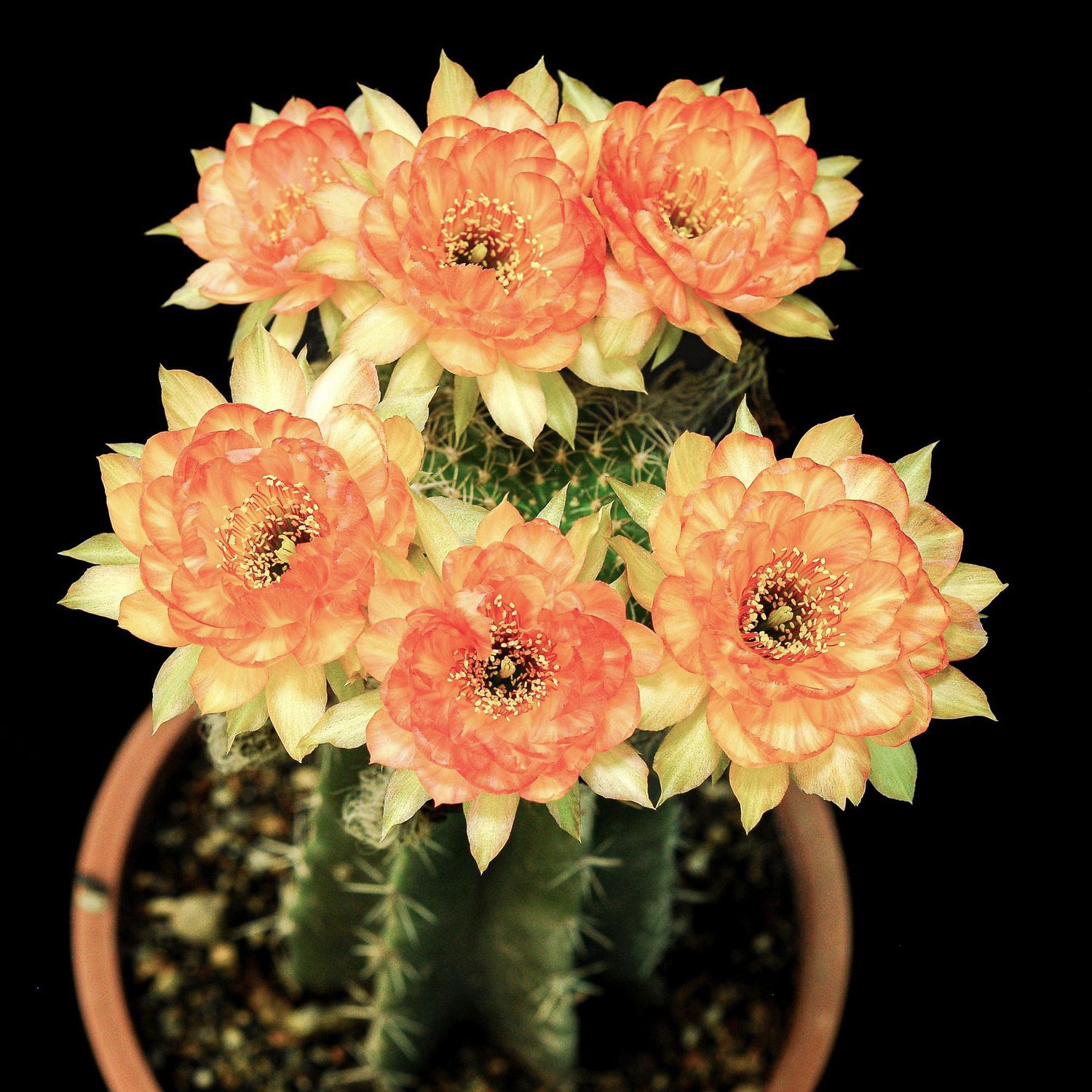
Lobivia hybrid Aurora Shift
SKU LET241
₹750.00
In stock: 1 available
1
Save this product for later
Customer reviews
Reviews only from verified customers
No reviews yet. You can buy this product and be the first to leave a review.
Lobivia hybrid Aurora Shift
Product Details
Radiant Ruffles: Lobivia Hybrid
A spectacular collector’s specimen featuring ruffled salmon-orange petals that create a luminous sunset effect, ideal for enthusiasts seeking rare floral gradients.
1. Origin & History of Name The genus name Lobivia is a clever anagram of "Bolivia," the country where many original species were discovered in the high Andes. Established by botanists Britton and Rose in 1922, the classification was created to distinguish these day-blooming plants from the closely related Echinopsis, highlighting their specific geographical concentration in South America.
2. Morphology This hybrid exhibits a compact, globular habit with a deep green epidermis and distinct ribs (costae) lined with woolly areoles and short, rigid spines. Its defining characteristic is the large, diurnal bloom: the tepals possess a unique ruffled texture, displaying a rich salmon-orange pigmentation that diffuses into delicate creamy-yellow margins, centering on a dense cluster of bright golden stamens.
3. Habitat & Origin This specimen is a horticultural cultivar, the result of selective cross-breeding to achieve its specific petal morphology and coloration. It is not harvested from the wild; all stock is sustainably nursery-propagated, ensuring no depletion of natural populations in the Andean regions of Bolivia or Peru.
4. Cultivation Profile
- Substrate: Use a highly porous, mineral-dominant mix (e.g., 70% pumice, grit, or crushed brick; 30% vermicompost) to ensure rapid drainage, essential for preventing root rot in humid Indian climates.
- Light: Requires full, direct sunlight to encourage bud formation.
In the Indian plains, provide filtration or partial shade only during peak summer afternoons (May–June) to prevent epidermal scorching. - Water/Dormancy: Water deeply only when the substrate is completely dry. Maintain a strict dry dormancy during winter (November–February) to stimulate spring flowering, and protect strictly from rain during the monsoon season.
5. Scientific/Historical Anecdote While modern molecular phylogenetics often merges Lobivia into the broader Echinopsis genus, hobbyists and taxonomists retain the distinction based on pollination biology. Unlike the night-blooming, often white Echinopsis, Lobivia evolved strictly diurnal (day-opening) flowers with vibrant reds and oranges specifically to attract hummingbirds in their high-altitude native habitats.
You May Also Like
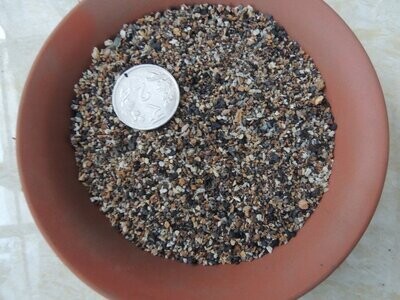
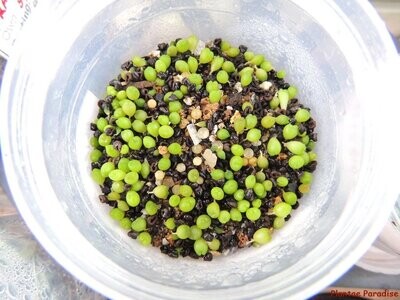
Cactus Seed Planting Mix
Cactus Seed Planting Mix
Sterile, Fine-Grain Media for Cactus & Succulent Seeds
SKU MNS005
₹74.85
New
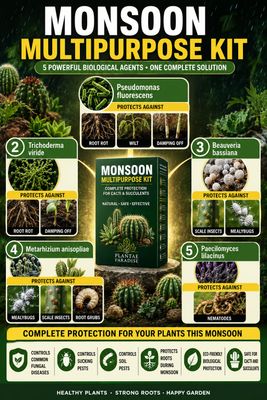
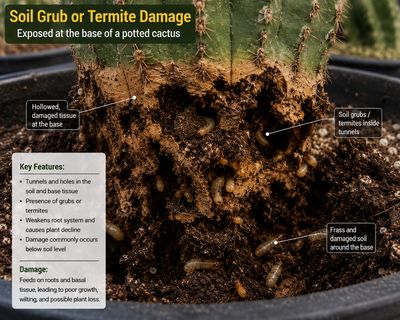
Monsoon Guardian Kit (5 in 1)
Monsoon Guardian Kit (5 in 1)
Complete 5-in-1 biological protection kit for cacti & succulents
SKU MNS024
₹850.00
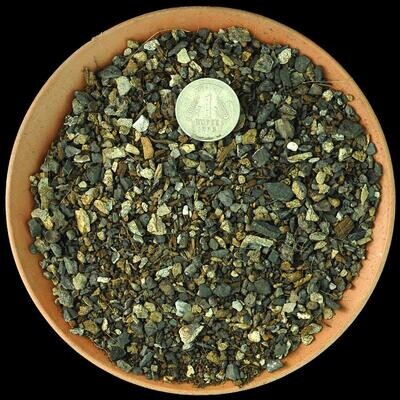
FORTIFIED Cactus & Succulent SOIL (COARSE)
FORTIFIED Cactus & Succulent SOIL (COARSE)
SKU MNS004
5.0
(11)
₹54.85
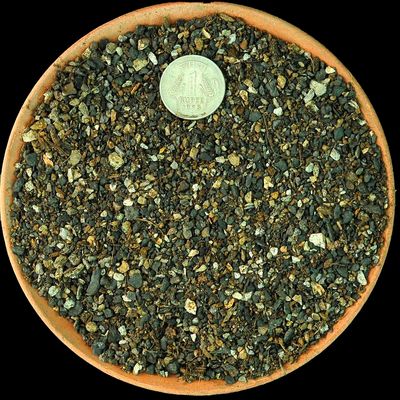
FORTIFIED Cactus & Succulent SOIL (FINE)
FORTIFIED Cactus & Succulent SOIL (FINE)
SKU MNS002
5.0
(4)
₹49.85
Display prices in:INR
