
Categories
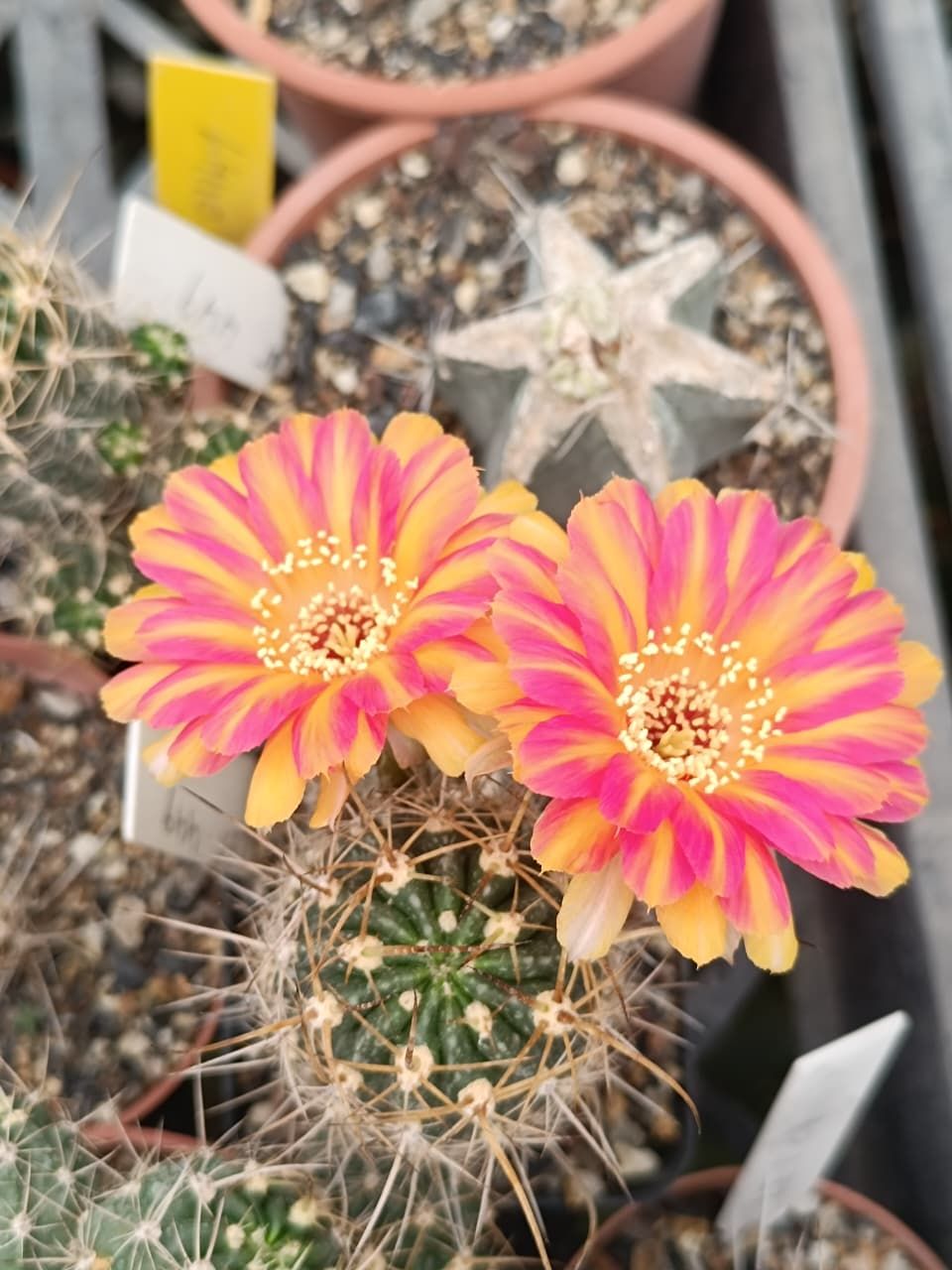
Lobivia hybrid Born to Be Wild
SKU LET449
₹950.00
In stock: 1 available
1
Save this product for later
Customer reviews
Reviews only from verified customers
No reviews yet. You can buy this product and be the first to leave a review.
Lobivia hybrid Born to Be Wild
Product Details
A cactus flower that refuses to whisper when it can shout — "Born to Be Wild" throws open its silk-textured petals in a blaze of hot pink fading into molten apricot-orange, each bloom radiating from a deep garnet throat dusted with cream-white stamens. This is a hybrid built for spectacle, the kind of flower that stops visitors mid-step in a greenhouse aisle.
Origin of Name
The genus name Lobivia is itself a small piece of botanical wordplay — an anagram of Bolivia, the country at the heart of the plant's native range, coined when American botanists Nathaniel Lord Britton and Joseph Nelson Rose formally established the genus in 1922. "Born to Be Wild" is a cultivar name rather than a scientific epithet: it belongs to a hybrid bred by grower Michael/"Cactus Jerk" of Trichocereus.net, part of an extensive line of hand-pollinated Lobivia and Trichocereus/Echinopsis crosses developed for exceptional flower color and form. The name borrows the swagger of the classic Steppenwolf anthem, a nod to the untamed, almost fluorescent intensity of the bloom rather than to any historical or geographic reference — very much in keeping with the playful, music-and-pop-culture-inspired naming conventions common among modern hybrid cactus breeders.
Origin of Plant
While the cultivar itself is a product of contemporary hobbyist breeding rather than a wild collection, its genetic lineage traces back to the high-altitude Lobivia species of the Andes — plants native to Bolivia, Peru, northwestern Argentina, and northern Chile, often found clinging to rocky slopes at elevations exceeding 3,000 meters. Modern taxonomy has folded Lobivia into the broader genus Echinopsis (a reclassification affirmed by Plants of the World Online), though the name Lobivia remains firmly in use among collectors and breeders, who prize the group for its outsized, jewel-toned flowers relative to its modest, clustering stem size.
Description
A compact, globular to short-cylindrical cactus with dense, even ribbing and a fine coat of pale, bristling spines, "Born to Be Wild" is grown almost entirely for its flowers — and they do not disappoint. Each bloom opens wide and flat in a dramatic bicolor display: fiery orange-gold at the petal base washing outward into vivid magenta-pink tips, framing a deep burgundy throat and a starburst of golden stamens. Flowering typically occurs in flushes through the warmer months, with bloom counts varying from one opening to the next rather than following any fixed pattern. The stem itself often clusters and offsets over time, forming a low mound that produces its extravagant flowers season after season.
Conservation Status
As a cultivated hybrid, "Born to Be Wild" carries no individual conservation listing — it exists only in cultivation. However, its parent genus Lobivia falls under CITES Appendix II, reflecting protections extended to wild cactus populations across the Andes. Because this plant is nursery-propagated rather than wild-collected, it qualifies under the artificially propagated exemption, allowing it to be legally and sustainably traded without drawing on wild populations.
Care
- Light: Full sun to bright light; strong sun encourages tighter growth and the best flower color
- Watering: Water generously during the active spring–summer growing season, allowing the soil to dry between waterings; reduce sharply in winter
- Soil: Fast-draining, mineral-rich cactus mix with minimal organic content
- Pot: Terracotta preferred over plastic, to help wick away excess moisture
- Temperature: Tolerates heat well; protect from frost and keep dry and cool in winter to encourage the following season's blooms
- Feeding: Low-nitrogen, high-potassium fertilizer during the growing season to support flowering rather than excess vegetative growth
A Story Worth Telling
Hybrids like "Born to Be Wild" represent a quiet but thriving corner of the cactus world — one built not on wild expeditions but on decades of patient, hand-done pollination by dedicated breeders working flower by flower under brutal midday sun to capture the perfect cross. The name itself is a wink: a nod to the idea that even a small, spine-covered cactus can carry a rebellious, larger-than-life personality once it decides to bloom. For collectors, plants like this one are trophies of that lineage — proof of what patient hybridizing can coax out of the humble Andean Lobivia.
You May Also Like
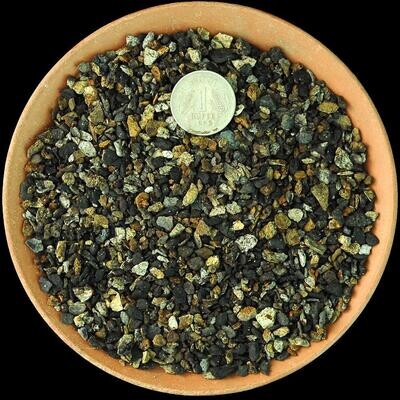
Cactus & Succulent Planting Mix COARSE (aka Cactus Soil Mix or Succulent Soil Mix)
Cactus & Succulent Planting Mix COARSE (aka Cactus Soil Mix or Succulent Soil Mix)
Washed, Free-Draining Mineral Mix for Cactus & Succulents
SKU MNS003
5.0
(1)
₹44.85
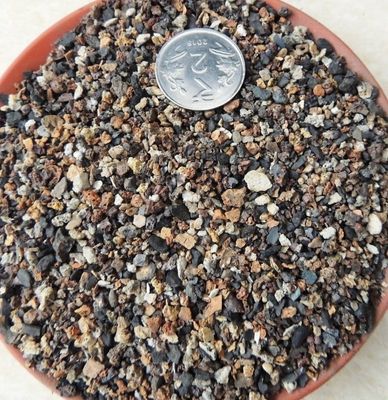
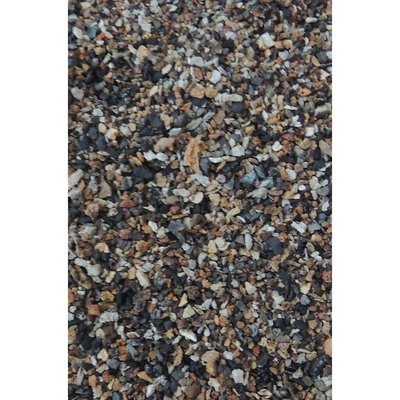
Cactus & Succulent Planting Mix FINE (aka Cactus Soil Mix or Succulent Soil Mix)
Cactus & Succulent Planting Mix FINE (aka Cactus Soil Mix or Succulent Soil Mix)
Fine-Grain Potting Mix for Cactus & Succulent Roots
SKU MNS001
5.0
(3)
₹39.85
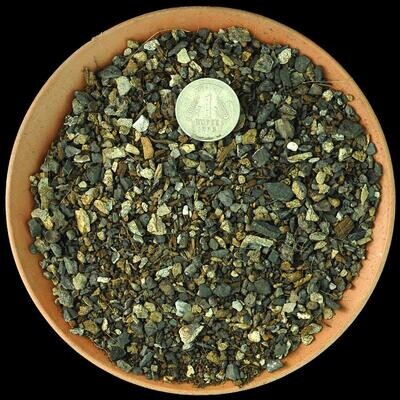
FORTIFIED Cactus & Succulent SOIL (COARSE)
FORTIFIED Cactus & Succulent SOIL (COARSE)
SKU MNS004
5.0
(11)
₹54.85
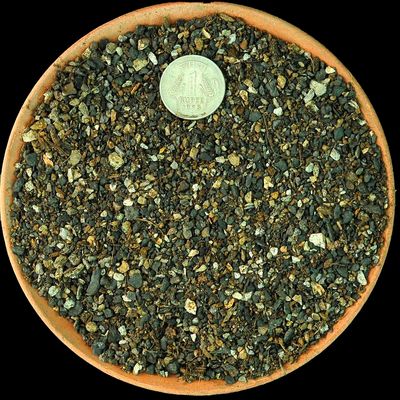
FORTIFIED Cactus & Succulent SOIL (FINE)
FORTIFIED Cactus & Succulent SOIL (FINE)
SKU MNS002
5.0
(4)
₹49.85
Display prices in:INR
