
Categories
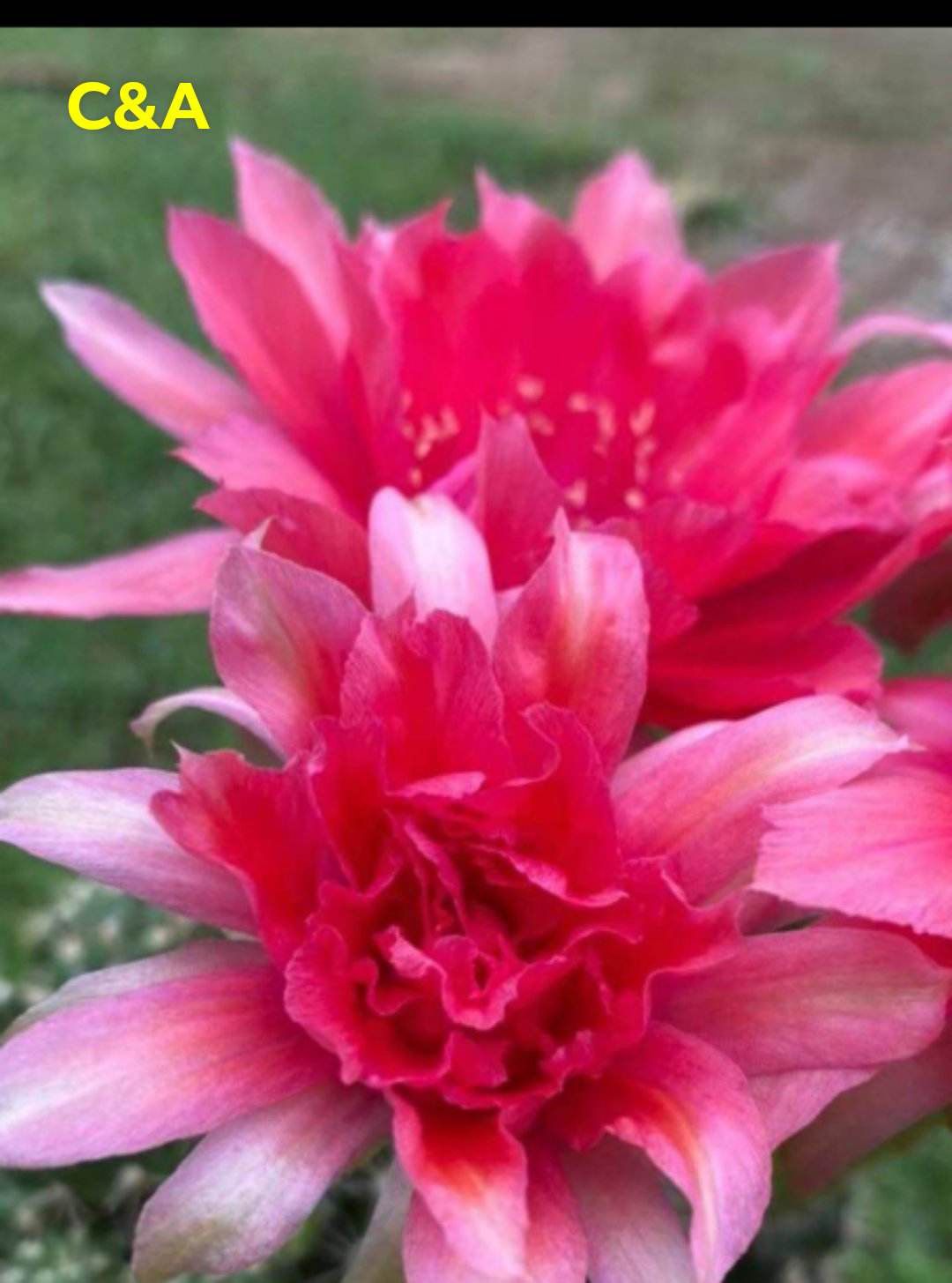
Lobivia hybrid C & A
SKU LET381
₹550.00
In stock: 1 available
1
Save this product for later
Customer reviews
Reviews only from verified customers
No reviews yet. You can buy this product and be the first to leave a review.
Lobivia hybrid C & A
Product Details
A fully double bloom in deep cerise-red, its ruffled inner petals crowded so densely they hide the flower's center entirely, fading to soft pink at the outer tips — a Lobivia hybrid bred for sheer petal count rather than the open, star-shaped form typical of the group.
Origin of Name
'C & A' is a cultivar code rather than a descriptive or botanical name — a naming style common among Lobivia and Echinopsis hybridizers, who often label a promising cross with initials, a grower's code, or a nursery reference rather than a fanciful title, especially in the early stages before (or instead of) a plant earns a more marketable name.
The genus name it's sold under, Lobivia, is a straightforward anagram of Bolivia, coined in 1922 by American botanists Nathaniel Lord Britton and Joseph Nelson Rose. Its taxonomic status has shifted repeatedly since — folded into the larger genus Echinopsis, split back out in 2016, then merged into Echinopsis again in a 2025 reclassification now followed by Kew. Whatever label currently applies, plants sold as "Lobivia hybrids" earn that name for exactly this trait: big, richly colored, often heavily doubled flowers on compact, easy-to-grow bodies.
Origin of Plant
Like all hybrid Lobivias, 'C & A' has no wild habitat of its own — it's a deliberately bred garden cross rather than a species collected from nature. Its genetics trace to true Lobivia species native to the high grasslands and rocky slopes of southern Peru, western Bolivia, and northwestern Argentina, adapted to intense sun and sharp Andean temperature swings. One long-running branch of Lobivia hybridizing crosses these species with the small, clustering "peanut cactus" (Chamaecereus sylvestrii, itself now folded into Echinopsis) to produce the intergeneric group known as × Chamaelobivia, prized specifically for producing extra-full, heavily petaled flowers like this one on compact, freely offsetting plants. Whether or not 'C & A' descends from that particular cross, it belongs to the same broader tradition: decades of hybridizing pushing the wild Lobivia gene pool toward ever larger, more densely petaled blooms.
Description
The plant itself stays modest and easy to overlook: a small, ribbed, spine-studded stem that clusters and offsets readily, forming a low clump over time.
The flower is where 'C & A' distinguishes itself. Rather than the single, flat, star-shaped bloom typical of most Lobivia hybrids, it opens fully double — layer upon layer of narrow, pointed petals packed so tightly that the flower's reproductive center is almost entirely concealed. Color shifts gradually through the bloom: a deep, saturated cerise-red dominates the tightly packed core, softening to pale pink at the outer petal tips, with the innermost petals occasionally showing a touch of gold where sunlight catches the base. As with the rest of the Lobivia/Echinopsis group, each flower is short-lived, typically open for only a day or two, though a well-grown clump can produce several blooms in a single flush.
Conservation Status
As a cultivated hybrid propagated by offsets, 'C & A' has no IUCN Red List status of its own. Its wild Lobivia ancestors aren't currently classified as broadly threatened, though international trade in wild-collected cacti generally is regulated under CITES Appendix II. A nursery-raised hybrid like this one is always the sustainable choice.
Care
Light: Bright light is essential for strong flowering — several hours of direct sun daily, with a little relief from the harshest midday sun in very hot climates.
Watering: Water thoroughly through spring–early autumn, letting the soil dry out completely between waterings. Cut back sharply in winter, keeping the plant nearly dry while dormant.
Soil: A gritty, fast-draining cactus mix — potting soil cut generously with pumice, perlite, or coarse sand.
Temperature: Comfortable in average warm-season conditions; its high-Andean ancestry gives it decent cold tolerance, but keep it dry and frost-free.
General tips: Feed lightly with a diluted, low-nitrogen fertilizer during the growing season to support strong bud production. Offsets can be detached once rooted and potted separately, which is also the easiest way to increase a clump of this doubled-flower type.
An Interesting Note
Fully double flowers like 'C & A's are, botanically speaking, a kind of beautiful malformation: extra petals typically form when the flower's stamens are genetically redirected into producing petal tissue instead of pollen-bearing structures. The trade-off is visible in the photo itself — a flower this densely packed with petals often has little to no functional stamens left showing, which is precisely why heavily doubled cactus hybrids like this one are propagated almost exclusively by offsets and cuttings rather than seed.
You May Also Like

FORTIFIED Cactus & Succulent SOIL (COARSE)
FORTIFIED Cactus & Succulent SOIL (COARSE)
SKU MNS004
5.0
(11)
₹54.85
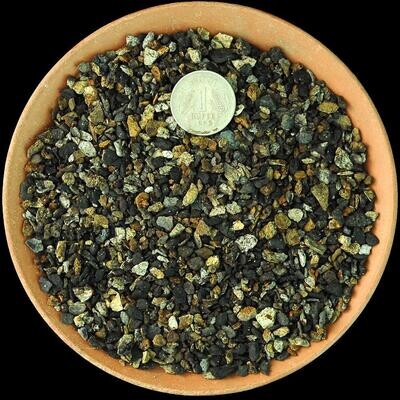
Cactus & Succulent Planting Mix COARSE (aka Cactus Soil Mix or Succulent Soil Mix)
Cactus & Succulent Planting Mix COARSE (aka Cactus Soil Mix or Succulent Soil Mix)
Washed, Free-Draining Mineral Mix for Cactus & Succulents
SKU MNS003
5.0
(1)
₹44.85
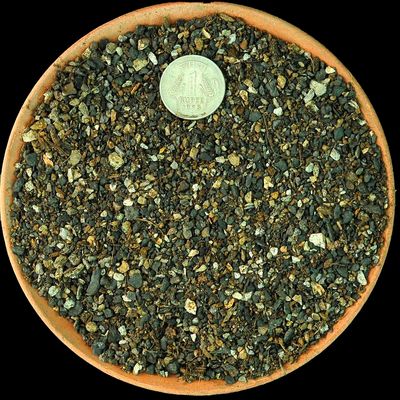
FORTIFIED Cactus & Succulent SOIL (FINE)
FORTIFIED Cactus & Succulent SOIL (FINE)
SKU MNS002
5.0
(4)
₹49.85

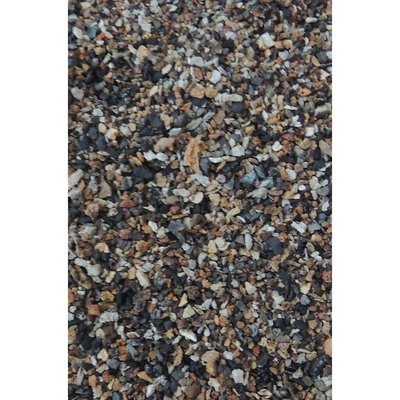
Cactus & Succulent Planting Mix FINE (aka Cactus Soil Mix or Succulent Soil Mix)
Cactus & Succulent Planting Mix FINE (aka Cactus Soil Mix or Succulent Soil Mix)
Fine-Grain Potting Mix for Cactus & Succulent Roots
SKU MNS001
5.0
(3)
₹39.85
Display prices in:INR
