
Categories
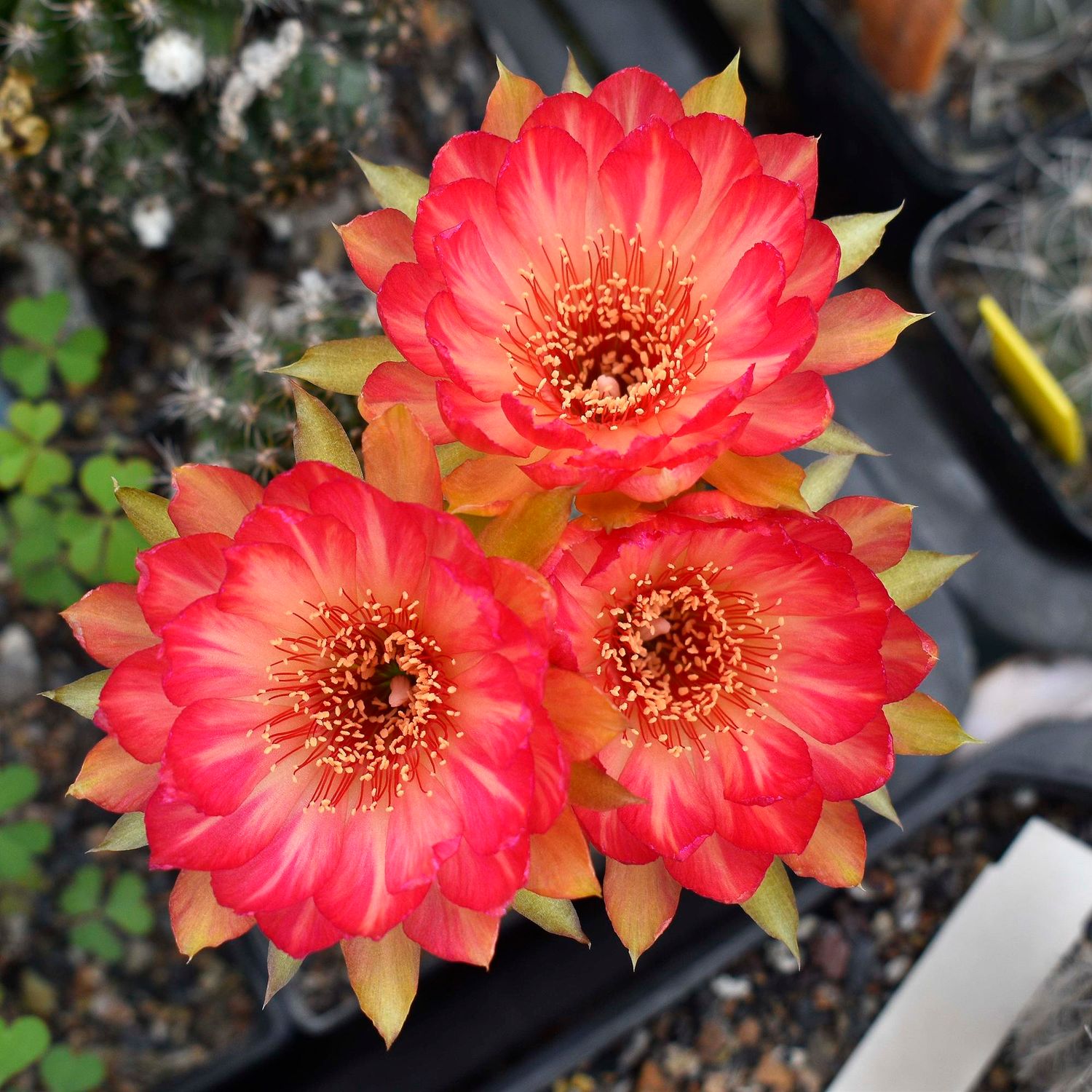
Lobivia hybrid "Cherry"
SKU LET001
₹450.00
Sold out
Deep magenta blooms fading into pale luminous centers
Sold out
Save this product for later
Customer reviews
Reviews only from verified customers
No reviews yet. You can buy this product and be the first to leave a review.
Lobivia hybrid "Cherry"
Product Details
Vivid Chromatic Gradient: Lobivia hybrid 'Cherry'
A high-performance cultivar prized for its satiny, multi-tonal blooms that redefine the aesthetic limits of the Echinopsis lineage.
- Origin & History of Name: The genus name Lobivia is a geographical anagram of Bolivia, the primary center of diversity for these cacti.
Originally established by botanist Nathaniel Lord Britton and Joseph Nelson Rose in 1922, the genus has since been largely taxonomically integrated into Echinopsis. The cultivar name 'Cherry' refers specifically to the fruit-toned anthocyanin pigments present in the floral tissues, distinguishing this selection from standard wild-type yellow or red variants. - Morphology: This hybrid features a globose to short-cylindrical epidermis characterized by pronounced costae (ribs) armed with short, pectinate spines. Its most distinctive feature is the floral architecture: large, diurnal blooms with overlapping, lanceolate petals. These petals exhibit a striking color gradient, transitioning from deep magenta margins to a pale, almost white receptacle base, surrounding a dense cluster of golden stamens that provide high visual contrast.
- Habitat & Origin: The Lobivia hybrid 'Cherry' is a cultivar developed through selective interspecific breeding. While its ancestors originate from the high-altitude Andean regions of Bolivia, Peru, and Argentina, this specific hybrid was bred in a controlled nursery environment for floral vigor. As a nursery-produced hybrid, it is a sustainable choice that does not impact wild populations of endangered cacti.
- Cultivation Profile:
- Substrate: Requires a highly porous, mineral-heavy substrate. A mix of 60% grit (lava rock or coarse sand) and 40% leaf mold is recommended to ensure rapid drainage.
- Light: Thrives in bright, filtered sunlight. In the Indian subcontinent, protection from harsh afternoon sun is vital to prevent epidermal scorching, particularly in the Deccan Plateau or Northern plains.
- Water/Dormancy: Follow a strict seasonal watering regime. Apply generous water during the hot growing season (March–September), then transition to a completely dry winter dormancy. This cool, dry rest period is physiologically necessary to trigger the development of flower buds for the following spring.
- Scientific/Historical Anecdote: Lobivia species are famous for their "explosive" blooming strategy. In their native high-altitude habitats, the flowering window is extremely brief—often lasting less than 24 hours. This has driven the evolution of incredibly bright, saturated floral colors and high pollen production to attract specialized high-altitude pollinators, such as bees and hummingbirds, in a very short span of time.
You May Also Like
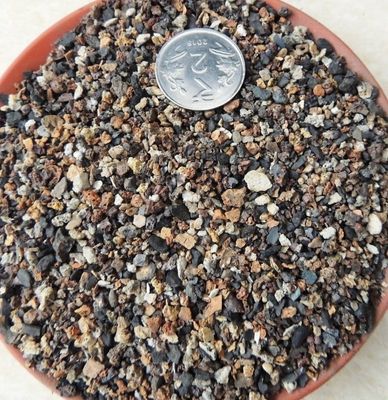
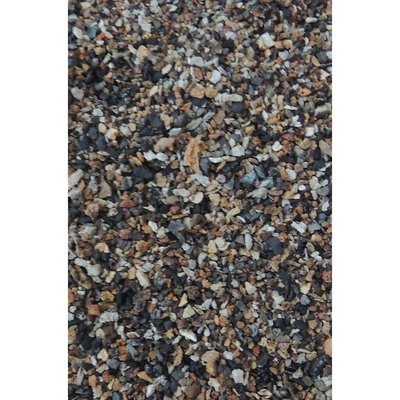
Cactus & Succulent Planting Mix FINE (aka Cactus Soil Mix or Succulent Soil Mix)
Cactus & Succulent Planting Mix FINE (aka Cactus Soil Mix or Succulent Soil Mix)
Fine-Grain Potting Mix for Cactus & Succulent Roots
SKU MNS001
5.0
(3)
₹39.85
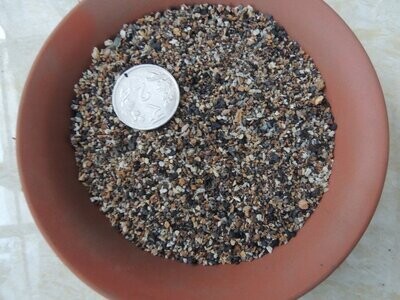
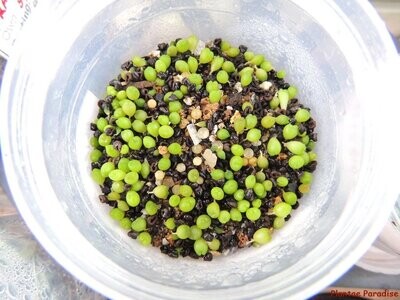
Cactus Seed Planting Mix
Cactus Seed Planting Mix
Sterile, Fine-Grain Media for Cactus & Succulent Seeds
SKU MNS005
₹74.85
New
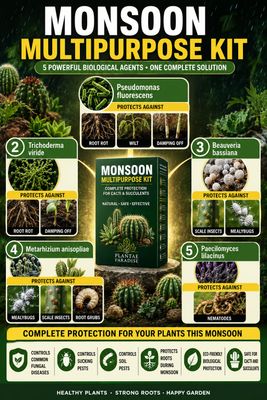
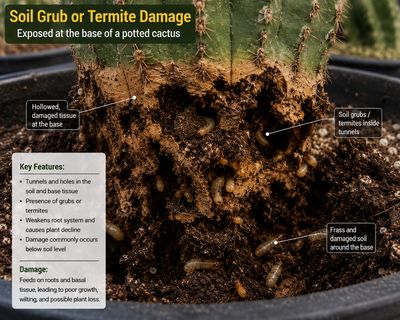
Monsoon Guardian Kit (5 in 1)
Monsoon Guardian Kit (5 in 1)
Complete 5-in-1 biological protection kit for cacti & succulents
SKU MNS024
₹850.00
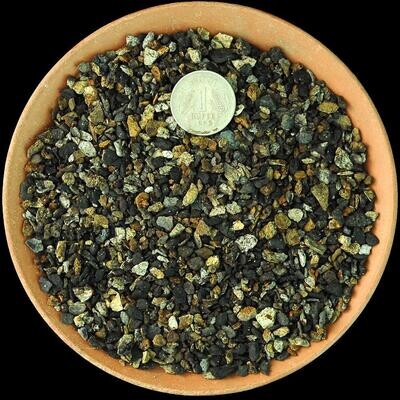
Cactus & Succulent Planting Mix COARSE (aka Cactus Soil Mix or Succulent Soil Mix)
Cactus & Succulent Planting Mix COARSE (aka Cactus Soil Mix or Succulent Soil Mix)
Washed, Free-Draining Mineral Mix for Cactus & Succulents
SKU MNS003
5.0
(1)
₹44.85
Display prices in:INR
