
Categories
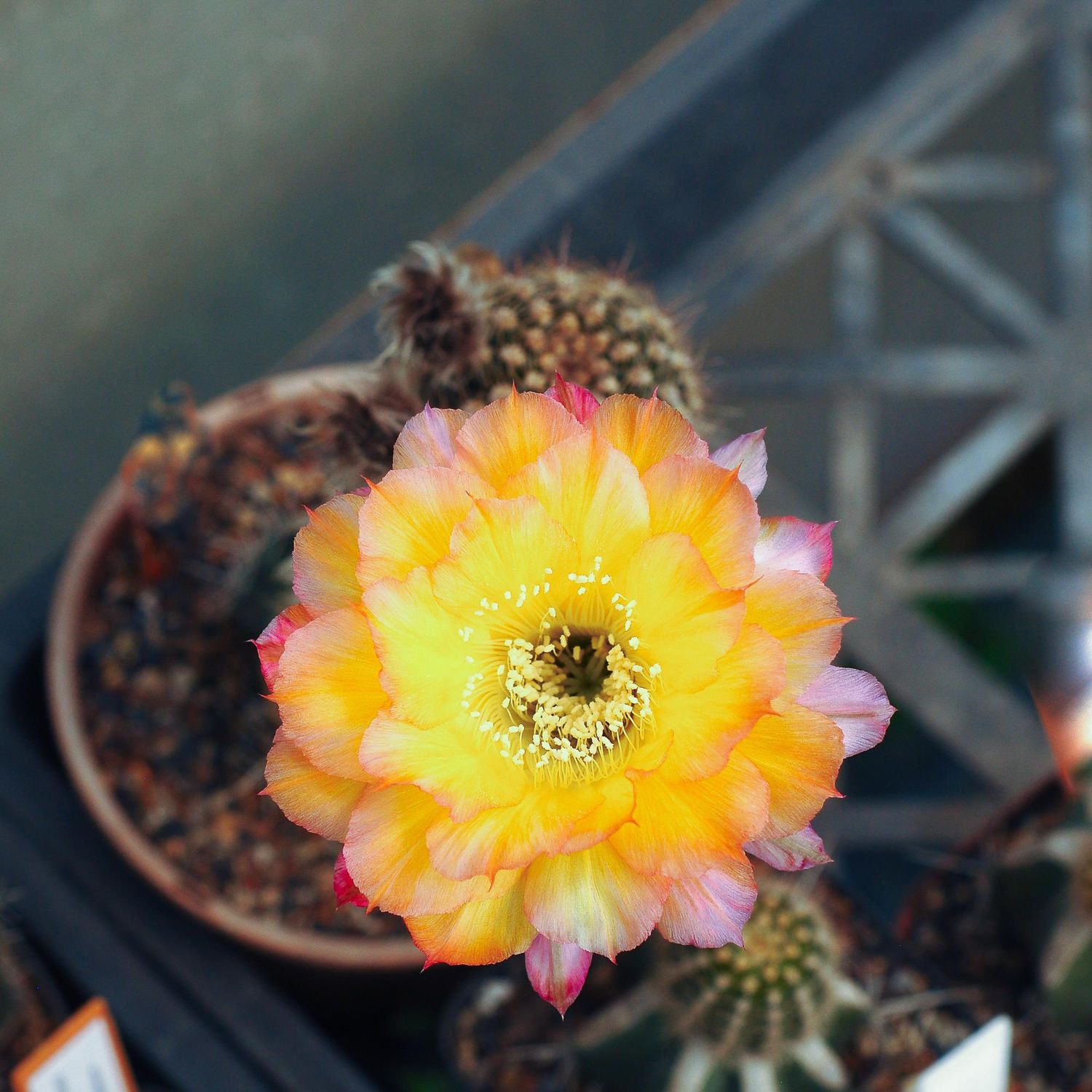
Lobivia hybrid Declaration Audacieuse
SKU LET268
₹850.00
In stock: 1 available
1
Save this product for later
Customer reviews
Reviews only from verified customers
No reviews yet. You can buy this product and be the first to leave a review.
Lobivia hybrid Declaration Audacieuse
Product Details
Lobivia Hybrid 'Declaration Audacieuse'
A breathtaking watercolor of a bloom — soft lemon-yellow deepens into blushing pink and violet at the petal edges, giving this hybrid an almost painterly, dreamlike quality unlike any other flower in the garden.
1. Origin of Name
The genus Lobivia is an anagram of Bolivia, coined in 1922 by botanists Nathaniel Lord Britton and Joseph Nelson Rose in their foundational work The Cactaceae, to classify the many small, globular cacti native to the Bolivian Andes. Although modern taxonomists frequently fold Lobivia into the larger genus Echinopsis, the name persists strongly among cactus growers and collectors, particularly as a label for prized hybrid cultivars.
The cultivar name 'Declaration Audacieuse' is French for "audacious declaration" or "bold statement" — a fitting name for a flower whose multi-toned petals, shifting from buttery yellow through peach to lilac-pink at the tips, make a striking visual statement in the garden. French and other European-language cultivar names are relatively common in the Lobivia/Echinopsis hybridizing world, particularly among European breeders (French and Belgian growers have long been prominent in cactus hybridization), who often favor evocative, romantic-sounding names for their most dramatic color breaks. As a purpose-bred hybrid, 'Declaration Audacieuse' was developed through selective crossing to achieve this rare, complex blending of pastel hues within a single bloom, rather than arising from any wild-collected specimen.
2. Origin of Plant
The wild genetic heritage behind 'Declaration Audacieuse' traces to the high-altitude Andean regions of Bolivia, Peru, and northern Argentina, where ancestral Lobivia species grow along rocky slopes and open grasslands, often at elevations above 2,000 meters. In this environment of intense sun, cold nights, and lean soils, these cacti evolved a compact growth habit and a powerful flowering response — a genetic foundation hybridizers have built upon to produce the elaborate, multi-hued blooms seen in modern cultivars like this one.
3. Description
'Declaration Audacieuse' produces a modest, ribbed, spiny cactus body, but its flowers are the true centerpiece. Each bloom unfurls into a large, densely layered rosette of ruffled petals that shift gradually in color from a soft golden-yellow center outward through peachy apricot tones into delicate pink and lavender-tinged edges — a subtle gradient effect rarely seen with such clarity in cactus flowers. At the heart of the bloom, a cluster of pale, creamy-white stamens surrounds a small green stigma, adding a gentle contrast to the warm petal tones. The flowers are notably full and many-petaled, giving them an almost peony-like fullness and softness compared to the flatter, more starkly colored blooms of many other Lobivia hybrids.
4. Conservation Status
'Declaration Audacieuse' is a cultivated hybrid, existing only through deliberate nursery propagation, and holds no formal conservation status. Its wild Lobivia/Echinopsis ancestors in the Andes continue to face habitat pressures from mining, agricultural expansion, and over-collection, with several related species protected under CITES Appendix II to regulate international trade. Cultivating hybrids such as this one lets collectors enjoy extraordinary flower forms and colors without drawing on wild populations.
5. Care
- Light: Requires full sun to very bright light to maintain compact form and encourage prolific flowering — at least 6 hours of direct sun daily, or the brightest available indoor window.
- Watering: Water thoroughly during active growth in spring and summer, allowing the soil to dry out completely between waterings. Reduce watering significantly in winter to support dormancy and healthy bud set.
- Soil: Plant in a gritty, fast-draining cactus mix — a blend of potting soil with pumice, perlite, or coarse sand keeps roots from sitting in excess moisture.
- Temperature: Prefers warm days paired with cooler nights; tolerates mild winter chill (around 5–10°C / 40–50°F) when kept dry, which helps trigger the following season's blooms.
- Fertilizing: Feed with a low-nitrogen, phosphorus-rich cactus fertilizer during the growing season to support strong, well-colored flowers.
- Tip: The delicate pastel gradient of this hybrid's blooms tends to show best in cooler spring temperatures — flowers that open during a warm heatwave may appear slightly less vivid, so if possible, enjoy (and photograph) blooms early in the flowering season.
An Engaging Aside
Multi-toned, gradient-colored blooms like 'Declaration Audacieuse' represent some of the most technically challenging results in cactus hybridizing, since breeders must stabilize several pigment genes at once to reliably reproduce a smooth color transition across each petal rather than a blotchy or inconsistent pattern. Hybrids that achieve this effect cleanly — as this one does — are often considered a hallmark of a skilled, patient breeding program, sometimes taking many generations of selective crossing to perfect.
You May Also Like
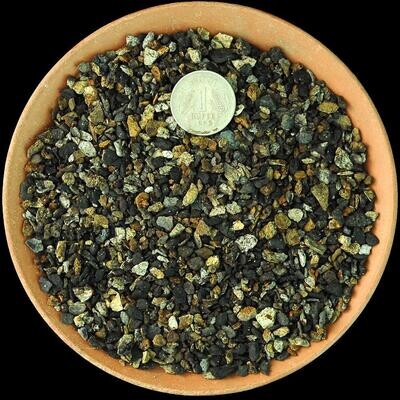
Cactus & Succulent Planting Mix COARSE (aka Cactus Soil Mix or Succulent Soil Mix)
Cactus & Succulent Planting Mix COARSE (aka Cactus Soil Mix or Succulent Soil Mix)
Washed, Free-Draining Mineral Mix for Cactus & Succulents
SKU MNS003
5.0
(1)
₹44.85

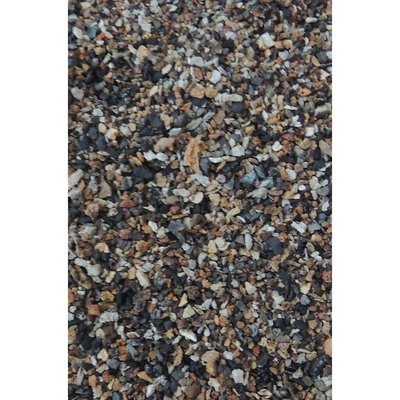
Cactus & Succulent Planting Mix FINE (aka Cactus Soil Mix or Succulent Soil Mix)
Cactus & Succulent Planting Mix FINE (aka Cactus Soil Mix or Succulent Soil Mix)
Fine-Grain Potting Mix for Cactus & Succulent Roots
SKU MNS001
5.0
(3)
₹39.85

FORTIFIED Cactus & Succulent SOIL (COARSE)
FORTIFIED Cactus & Succulent SOIL (COARSE)
SKU MNS004
5.0
(11)
₹54.85


Cactus Seed Planting Mix
Cactus Seed Planting Mix
Sterile, Fine-Grain Media for Cactus & Succulent Seeds
SKU MNS005
₹74.85
Display prices in:INR
