
Categories
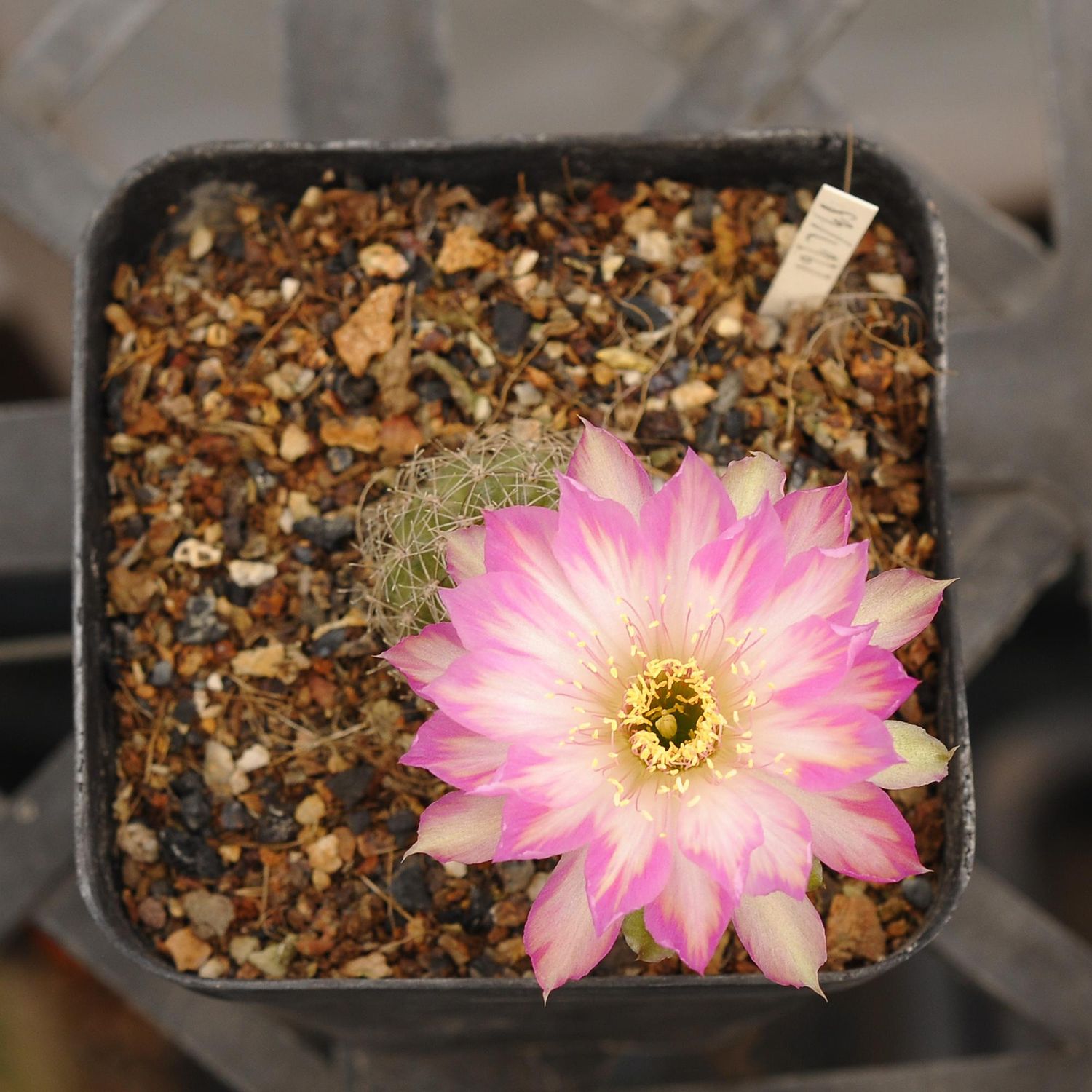
Lobivia hybrid Eadith
SKU LET275
₹550.00
Sold out
Sold out
Save this product for later
Customer reviews
Reviews only from verified customers
No reviews yet. You can buy this product and be the first to leave a review.
Lobivia hybrid Eadith
Product Details
Bicolor Brilliance: Lobivia hybrid 'Eadith'
A rare floral masterpiece featuring sharp, lance-shaped petals with a high-contrast magenta and white bi-color finish.
- Origin & History of Name: The genus name Lobivia is an anagram of Bolivia, the primary country of origin for the parent species.
The cultivar name 'Eadith' is a specific hybrid designation, often used in European breeding circles to distinguish unique floral variations. While many Lobivia hybrids are named after the breeders' family members, 'Eadith' specifically denotes this stabilized bi-color lineage. - Morphology: This hybrid is characterized by a globular, dark green epidermis with well-defined costae (ribs) armed with short, radial spines. Its most distinctive feature is the bloom: the flowers consist of pointed, lance-shaped petals displaying a striking bi-color pattern—vibrant magenta margins with a distinct white median streak. The plant often remains compact, offsetting freely as it matures.
- Habitat & Origin: This is a horticultural cultivar, a result of selective cross-breeding between different Echinopsis (formerly Lobivia) species native to the high-altitude Andes. This specific hybrid does not exist in the wild. Our plants are propagated in-house via offsets or controlled seed crosses, ensuring a sustainable, ethical supply chain that avoids wild poaching.
- Cultivation Profile:
- Substrate: Use a high-drainage mineral-based mix (60% coarse sand/pumice, 40% compost). In the Indian subcontinent, avoid heavy clay which retains too much moisture during high-humidity cycles.
- Light: Requires full morning sun to encourage blooming. In hot regions like North or Central India, provide filtered light or 50% green net shade during the peak afternoon heat (12 PM – 4 PM).
- Water/Dormancy: Water thoroughly once the soil is dry to the touch. During the Indian monsoon, keep the plant under a rain shelter to prevent rot. In winter, reduce watering significantly to induce a cool-dry dormancy, which is essential for flower bud set the following spring.
- Scientific/Historical Anecdote: The genus Lobivia was first established by botanist Nathaniel Britton and Joseph Rose in 1922.
Historically, these plants were prized for their "clumping" habit and massive flower-to-body size ratio. Scientists have found that the intense pigmentation in hybrids like 'Eadith' is an evolutionary carryover from their ancestors, which used bright colors to attract specific high-altitude pollinators in the thin Andean air
You May Also Like


Cactus Seed Planting Mix
Cactus Seed Planting Mix
Sterile, Fine-Grain Media for Cactus & Succulent Seeds
SKU MNS005
₹74.85


Cactus & Succulent Planting Mix FINE (aka Cactus Soil Mix or Succulent Soil Mix)
Cactus & Succulent Planting Mix FINE (aka Cactus Soil Mix or Succulent Soil Mix)
Fine-Grain Potting Mix for Cactus & Succulent Roots
SKU MNS001
5.0
(3)
₹39.85
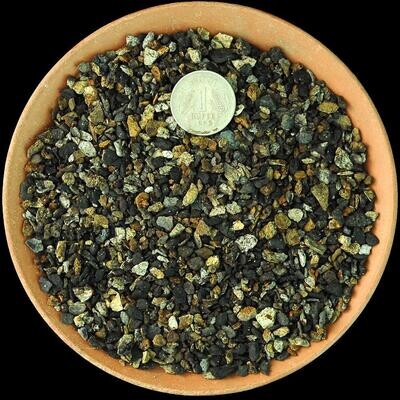
Cactus & Succulent Planting Mix COARSE (aka Cactus Soil Mix or Succulent Soil Mix)
Cactus & Succulent Planting Mix COARSE (aka Cactus Soil Mix or Succulent Soil Mix)
Washed, Free-Draining Mineral Mix for Cactus & Succulents
SKU MNS003
5.0
(1)
₹44.85
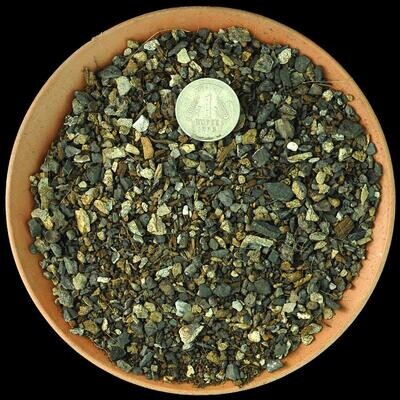
FORTIFIED Cactus & Succulent SOIL (COARSE)
FORTIFIED Cactus & Succulent SOIL (COARSE)
SKU MNS004
5.0
(11)
₹54.85
Display prices in:INR
