
Categories
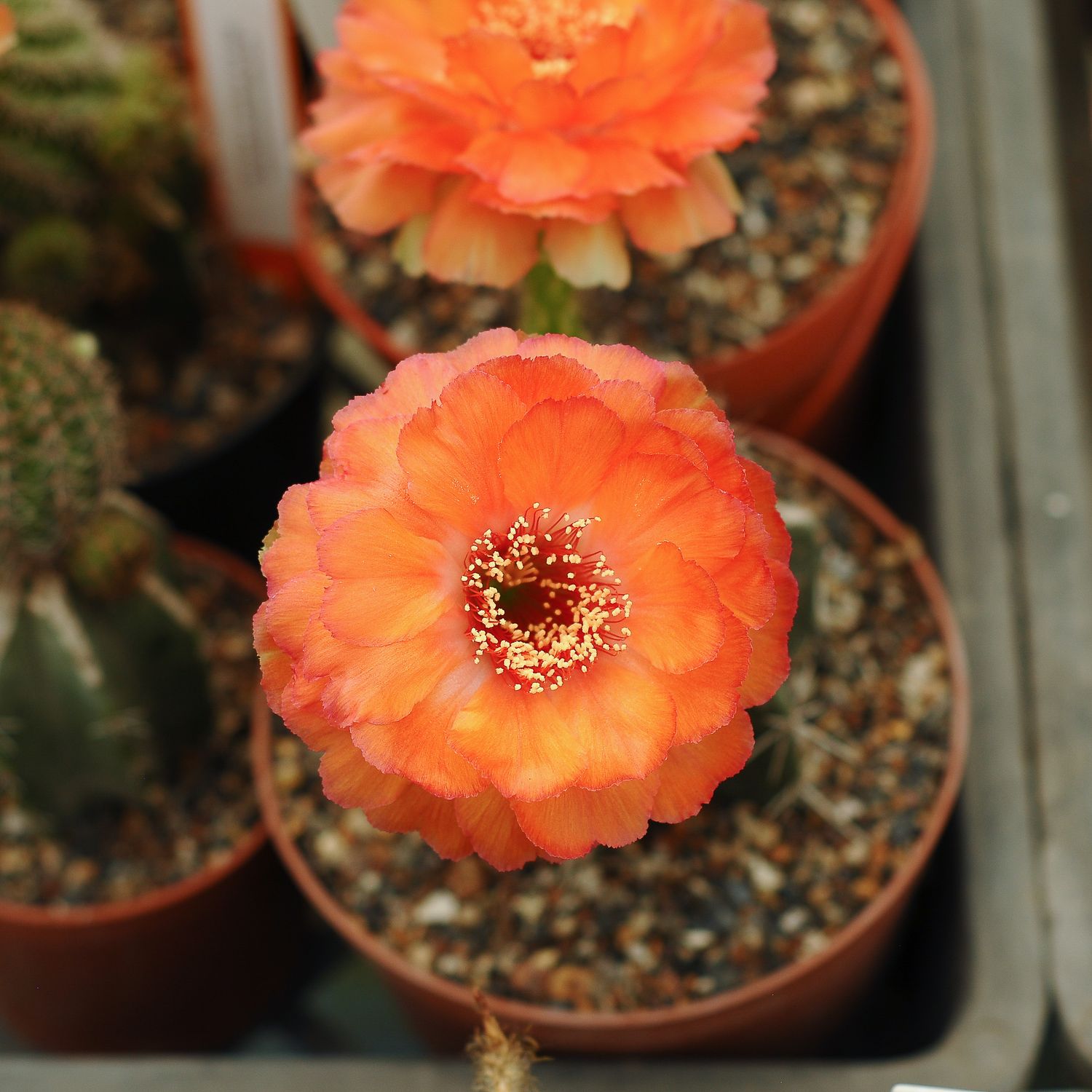
Lobivia hybrid KA68
SKU LET334
₹650.00
In stock: 1 available
1
Save this product for later
Customer reviews
Reviews only from verified customers
No reviews yet. You can buy this product and be the first to leave a review.
Lobivia hybrid KA68
Product Details
Origin of Name:
The genus Lobivia is believed to be an anagram of “Bolivia,” reflecting the region where many species are native. The hybrid designation KA68 is likely a horticultural code used by breeders to identify this particular cultivar, highlighting its unique floral traits.
Origin of Plant:
Native to the mountainous and rocky terrains of South America, particularly Bolivia, Argentina, and Peru, Lobivia species thrive in high-altitude conditions with well-drained soils. Discovered through botanical explorations in the late 19th and early 20th centuries, Lobivia became a favorite for its vibrant flowers and hardy nature. Cultivated extensively in nurseries, hybrid comes KA68 is a carefully bred variety designed to showcase distinctive multilayered and frilly petals.
Description:
The Lobivia hybrid KA68 enchants with its intricate, multilayered petals that are charmingly frilly and ruffled. The inside of the flower features a soft, luminous light orange, creating a warm, inviting glow. The outer petals are a deeper, rich dark orange, creating a striking contrast that emphasizes the flower's textured, layered appearance. The blooms are approximately 3-4 inches across, with a complex, floral crown that opens in late spring to early summer. Its elaborate, vibrant coloration and ornate petals make it a captivating centerpiece for any cactus collection or garden.
Conservation Status:
As a hybrid cultivated in nurseries, KA68 does not require conservation efforts beyond horticultural interest. Its cultivation helps preserve its unique flower traits without impacting wild populations.
Care:
Plant in well-draining cactus or succulent soil. Water sparingly—allow the soil to dry completely between watering—and reduce watering during dormancy in winter. It prefers full sun or bright indirect light, with at least 4-6 hours daily. Maintain warm temperatures between 70-85°F (21-29°C) during the growing season and provide cooler conditions for dormancy. Fertilizing monthly with a balanced cactus fertilizer during the active growing period encourages healthy blooms and growth.
Interesting Anecdote or Historical Story:
The KA68 hybrid’s name is a tribute to horticultural innovation, combining vibrant hues reminiscent of South American sunsets. Its intricate, multilayered petals symbolize the artistry and resilience of desert flora—delighting collectors and plant enthusiasts with its fiery beauty and delicate frills that evoke the intricate craftsmanship of traditional textiles.
You May Also Like

FORTIFIED Cactus & Succulent SOIL (COARSE)
FORTIFIED Cactus & Succulent SOIL (COARSE)
SKU MNS004
5.0
(11)
₹54.85

FORTIFIED Cactus & Succulent SOIL (FINE)
FORTIFIED Cactus & Succulent SOIL (FINE)
SKU MNS002
5.0
(4)
₹49.85

Cactus & Succulent Planting Mix COARSE (aka Cactus Soil Mix or Succulent Soil Mix)
Cactus & Succulent Planting Mix COARSE (aka Cactus Soil Mix or Succulent Soil Mix)
Washed, Free-Draining Mineral Mix for Cactus & Succulents
SKU MNS003
5.0
(1)
₹44.85
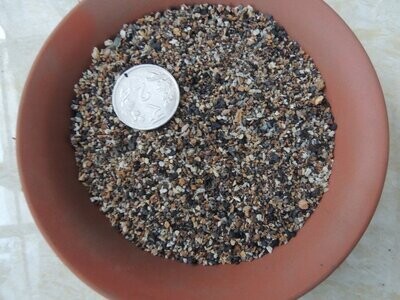
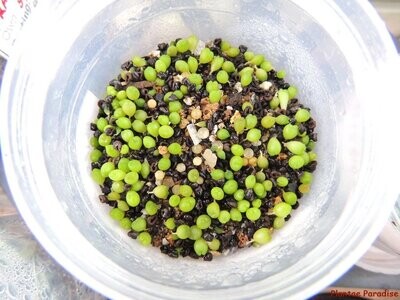
Cactus Seed Planting Mix
Cactus Seed Planting Mix
Sterile, Fine-Grain Media for Cactus & Succulent Seeds
SKU MNS005
₹74.85
Display prices in:INR
