
Categories
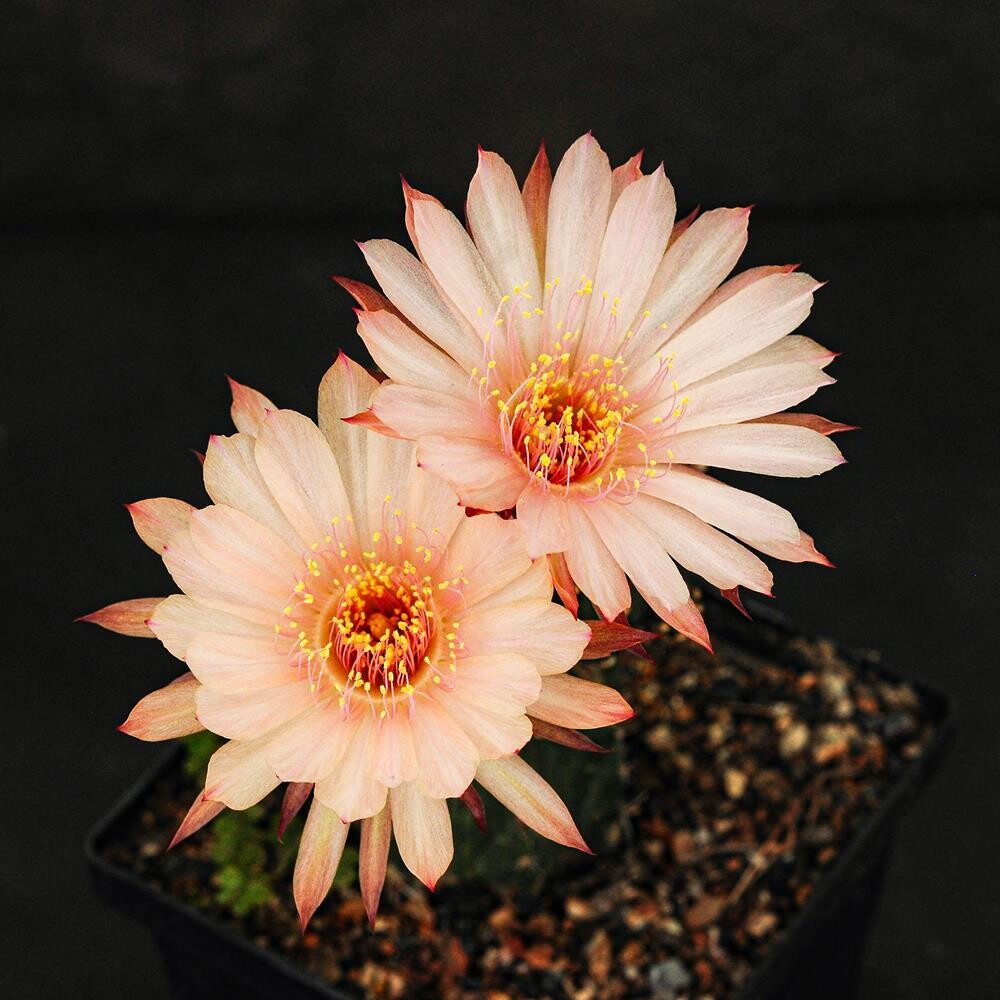
Lobivia hybrid Keisar
SKU LET117
₹100.00
Sold out
Sold out
Save this product for later
Customer reviews
Reviews only from verified customers
No reviews yet. You can buy this product and be the first to leave a review.
Lobivia hybrid Keisar
Product Details
Radiant Bloom Masterpiece: Lobivia hybrid 'Keisar'
An exquisite collector’s hybrid, prized for its sophisticated gradient of apricot and salmon hues.
- Origin & History of Name: The genus name Lobivia is a geographical anagram of Bolivia, the primary center of diversity for these cacti. The cultivar name 'Keisar' (German/Dutch for "Emperor") reflects the regal appearance of its multi-layered floral structure, typically bred to showcase the "imperial" color palette associated with high-end European hybridization efforts in the late 20th century.
- Morphology: This globose to cylindrical cactus features a dark green epidermis with well-defined costae (ribs) lined with short, pectinate spines. Its primary distinction is the funnel-shaped floral morphology; the perianth segments (petals) are lanceolate and imbricated, creating a dense, multi-layered effect that transitions from a creamy central throat to deep rosy apices.
- Habitat & Origin: This plant is a specialized cultivar, not found in the wild. It is the result of selective cross-breeding within the Lobivia (now often classified under Echinopsis) genus to enhance floral diameter and color complexity. These hybrids are produced through sustainable greenhouse propagation, ensuring no impact on wild Andean populations.
- Cultivation Profile:
- Substrate: Use a strictly mineral-based mix (60% coarse sand/pumice, 40% organic matter) to prevent root rot in humid Indian climates.
- Light: High-intensity filtered sunlight; in the Indian subcontinent, afternoon shading is essential during peak summer to prevent epidermal scorching.
- Water/Dormancy: Deep watering during the monsoon/summer growth phase only when the medium is completely dry. Maintain a strict dry dormancy from November to February to trigger spring budding.
- Scientific/Historical Anecdote: The genus Lobivia was first established by botanist Nathaniel Lord Britton and Joseph Nelson Rose in 1922. They created the name as an anagram to honor the rugged Bolivian highlands. Scientifically, these plants are noted for their "diurnal" blooming habit, meaning they open during the day to attract specific high-altitude pollinators, unlike many of their nocturnal Echinopsis relatives.
You May Also Like

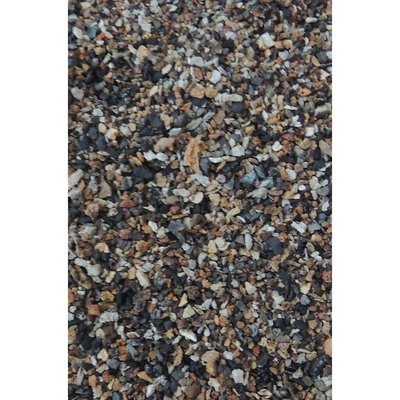
Cactus & Succulent Planting Mix FINE (aka Cactus Soil Mix or Succulent Soil Mix)
Cactus & Succulent Planting Mix FINE (aka Cactus Soil Mix or Succulent Soil Mix)
Fine-Grain Potting Mix for Cactus & Succulent Roots
SKU MNS001
5.0
(3)
₹39.85

FORTIFIED Cactus & Succulent SOIL (FINE)
FORTIFIED Cactus & Succulent SOIL (FINE)
SKU MNS002
5.0
(4)
₹49.85

FORTIFIED Cactus & Succulent SOIL (COARSE)
FORTIFIED Cactus & Succulent SOIL (COARSE)
SKU MNS004
5.0
(11)
₹54.85
New

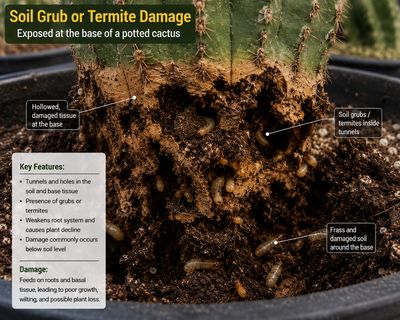
Monsoon Guardian Kit (5 in 1)
Monsoon Guardian Kit (5 in 1)
Complete 5-in-1 biological protection kit for cacti & succulents
SKU MNS024
₹850.00
Display prices in:INR
