
Categories
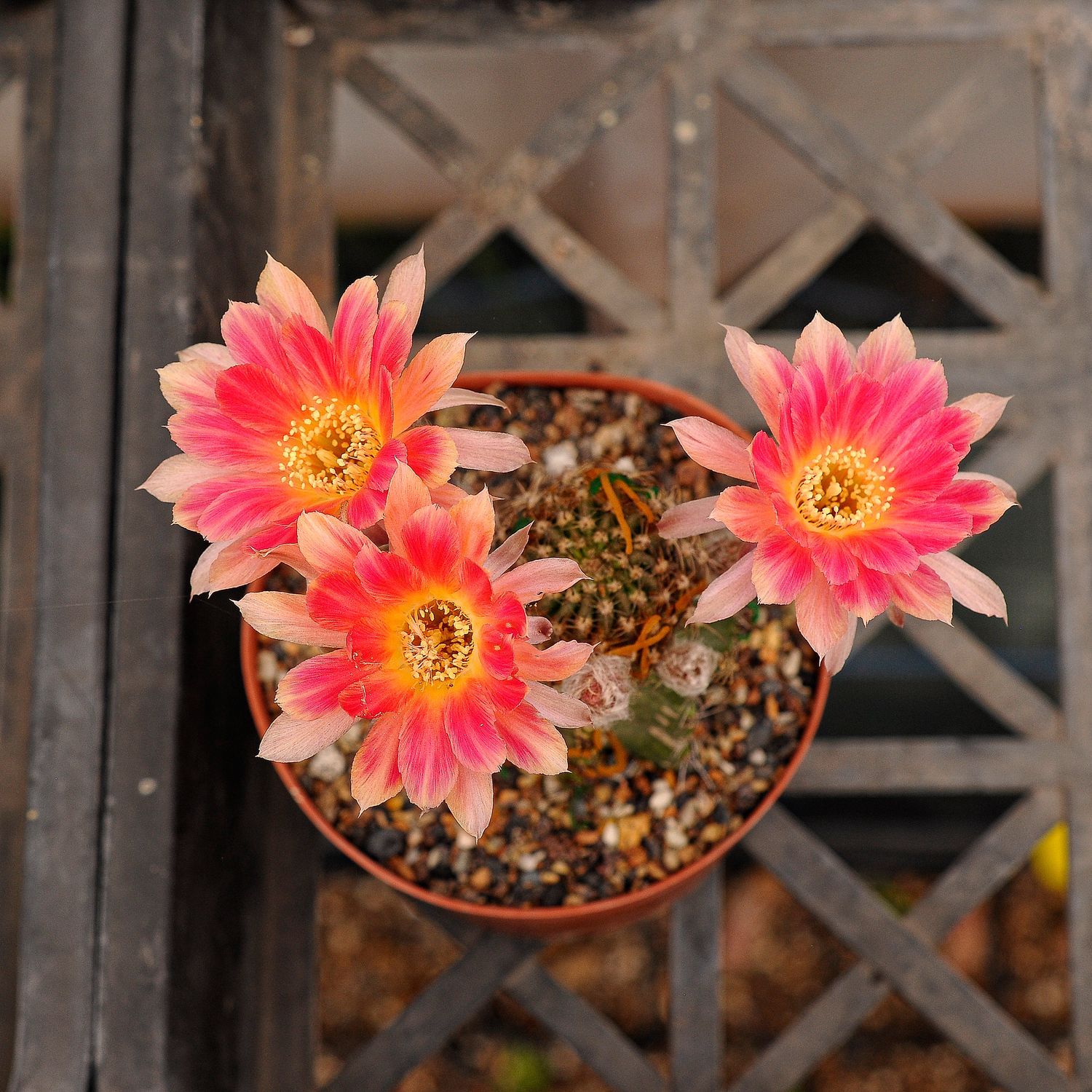
Lobivia hybrid N23
SKU LET341
₹650.00
In stock: 1 available
1
Save this product for later
Customer reviews
Reviews only from verified customers
No reviews yet. You can buy this product and be the first to leave a review.
Lobivia hybrid N23
Product Details
A small, low-growing Lobivia hybrid that punches far above its size — from a squat, softly spined little body comes a flush of large, multi-petaled blooms in glowing coral-pink and apricot, deepening to gold at the throat. Grown as much for the drama of its flowers as for its tidy, easy-to-house form, N23 is a seedling selection built for maximum bloom with minimum fuss.
Origin of Name
"N23" is a grower's seedling code rather than a formal cultivar name — the kind of shorthand hybridizers use to track individual selections out of a batch of crosses before (or instead of) giving a plant a full commercial name. Among Lobivia and Echinopsis hybridizers, it's standard practice to raise large numbers of seedlings from a single deliberate cross, number or letter-code each one as it's evaluated, and only bestow a proper cultivar name on the rare individual whose flower size, color, or form is judged good enough to propagate and sell on its own merits.
The genus name it carries, Lobivia, has a far more playful origin: it's a straightforward anagram of Bolivia, coined in 1922 by the American botanists Nathaniel Lord Britton and Joseph Nelson Rose to honor the South American country at the heart of the genus's native range. Lobivia's taxonomic story has been a moving target ever since — treated as a synonym of the giant genus Echinopsis for long stretches, split back out as independent in 2016 on the strength of new phylogenetic research, and then folded back into Echinopsis again in a major 2025 reclassification of the cactus family now followed by Kew's Plants of the World Online. Whichever label the taxonomists settle on, plants sold and grown as "Lobivia hybrids" — this one included — are prized under that name by collectors precisely because of the group's talent for free, colorful flowering on compact little bodies.
Origin of Plant
Like all hybrid Lobivias, N23 has no habitat of its own — it's a cultivated cross, raised from cultivated parent plants rather than collected from the wild. Its genetics trace back to the true species of Lobivia, which grow wild across the high, arid grasslands and rocky slopes of southern Peru, western Bolivia, and northwestern Argentina, often at considerable elevation in the Andes — tough, sun-hardened, cold-tolerant plants adapted to short growing seasons and big daily temperature swings. Hybridizers have spent decades crossing and re-crossing these wild-derived lines, and in some cases blending them with related Echinopsis, to push flower size and color intensity while keeping the compact, clump-forming habit that makes Lobivia hybrids such easy, rewarding pot plants.
Description
N23 grows as a low, flat-globular to short-cylindrical stem, ribbed and set with short, softly bristling spines — a modest, unassuming plant for most of the year that tends to offset readily from the base, building into a tight cluster of small heads over time rather than one dominant stem.
The flowers are where it delivers. Each bloom opens wide and many-petaled, in a warm gradient that runs from a soft blush-apricot at the petal tips into a hot coral-pink through the mid-petal, before flaring to a bright golden-yellow at the throat, where a dense cluster of golden stamens surrounds a pale central stigma. Several blooms often open together from around the crown, as seen when the plant flushes — a small pot can carry three or more large flowers at once, each one considerably wider than the stem it grows from. As with the rest of the Lobivia/Echinopsis group, individual flowers are short-lived, typically lasting only a day or two, but a healthy, well-grown plant will send up repeat flushes of buds through the warmer months.
Conservation Status
As a cultivated hybrid propagated by offsets and cuttings, N23 has no IUCN Red List status of its own and exists entirely in cultivation. Its wild Lobivia ancestors are, for the most part, not currently classified as broadly threatened, though as with cacti generally, international trade in wild-collected material is regulated under CITES Appendix II to guard against over-collection. A nursery-raised hybrid like this one is always the sustainable way to bring this kind of flower power into a collection.
Care
Light: Bright light is key to good flowering — a sunny south- or west-facing window indoors, or several hours of direct sun outdoors, with a little relief from the harshest midday sun in very hot climates.
Watering: Water thoroughly through the growing season (spring to early autumn), letting the soil dry out completely between waterings. Reduce sharply in winter, keeping the plant almost dry while dormant — overwatering in cool conditions is the most common way to lose one of these to rot.
Soil: A gritty, fast-draining cactus mix — ordinary potting soil cut generously with pumice, perlite, or coarse sand — suits it well and mirrors the free-draining mountain soils its wild ancestors grow in.
Temperature: Comfortable in average warm-season temperatures; because its wild relatives come from high Andean elevations, it tolerates cooler winter conditions better than many cacti, but should still be kept dry and protected from hard frost.
General tips: Offsets can be detached once they have their own roots (or left to callus for a few days before potting), making this an easy plant to propagate and share. Feed lightly with a diluted, low-nitrogen cactus fertilizer during the growing season to support strong bud production, and expect the best flower flushes once the clump has filled out a little in its pot.
An Interesting Note
There's something quietly appropriate about a numbered seedling like N23 carrying the name Lobivia — a genus whose own name is just Bolivia's letters rearranged. Both the genus and the plant wear a kind of shorthand: Britton and Rose folded a country's name into a new word rather than inventing one from scratch, and a modern hybridizer, faced with dozens of seedlings from one cross, reached for a simple code rather than a name — until, perhaps, a particular flush of blooms proves striking enough to earn one. Every named Lobivia cultivar collectors prize today started out exactly this way: as an unnamed number in a seed tray, judged on nothing but the flower it eventually opened.
You May Also Like
New

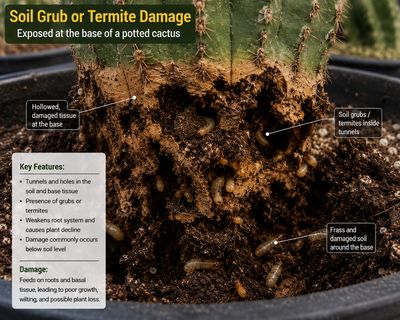
Monsoon Guardian Kit (5 in 1)
Monsoon Guardian Kit (5 in 1)
Complete 5-in-1 biological protection kit for cacti & succulents
SKU MNS024
₹850.00
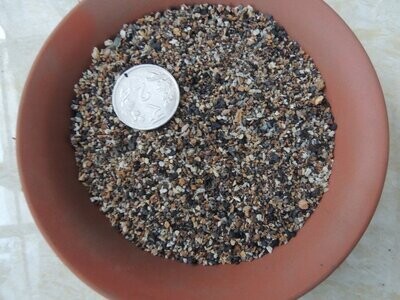
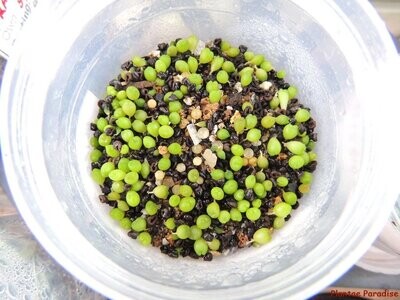
Cactus Seed Planting Mix
Cactus Seed Planting Mix
Sterile, Fine-Grain Media for Cactus & Succulent Seeds
SKU MNS005
₹74.85
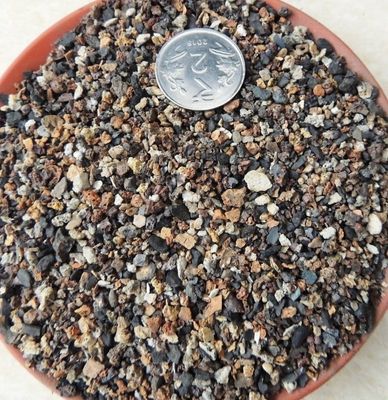
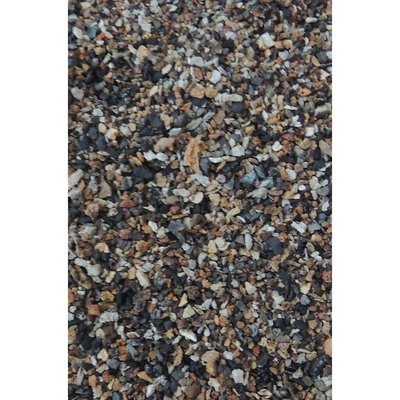
Cactus & Succulent Planting Mix FINE (aka Cactus Soil Mix or Succulent Soil Mix)
Cactus & Succulent Planting Mix FINE (aka Cactus Soil Mix or Succulent Soil Mix)
Fine-Grain Potting Mix for Cactus & Succulent Roots
SKU MNS001
5.0
(3)
₹39.85
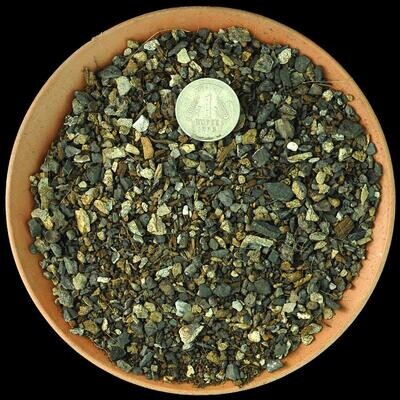
FORTIFIED Cactus & Succulent SOIL (COARSE)
FORTIFIED Cactus & Succulent SOIL (COARSE)
SKU MNS004
5.0
(11)
₹54.85
Display prices in:INR
