
Categories
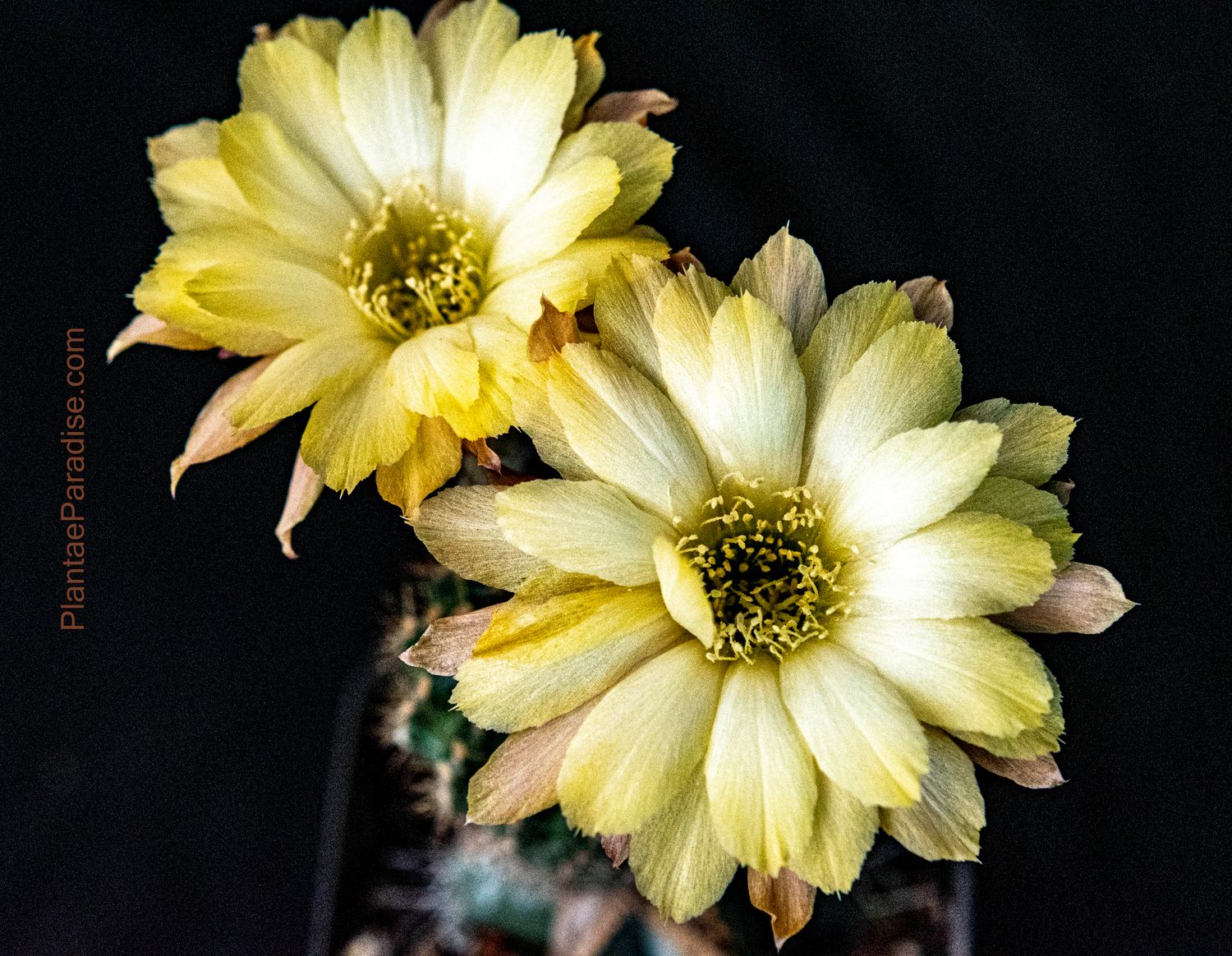
Lobivia hybrid N73
SKU LET379
₹450.00
In stock: 1 available
1
Save this product for later
Customer reviews
Reviews only from verified customers
No reviews yet. You can buy this product and be the first to leave a review.
Lobivia hybrid N73
Product Details
Lobivia Hybrid 'N73'
Moonlit and luminous — soft lemon-cream petals catch the light like silk against a dark backdrop, each bloom deepening to a warm golden throat. 'N73' trades the fiery reds and oranges typical of the genus for something quieter and more ethereal, a pale glow rather than a shout.
Origin of Name
The genus name Lobivia is an anagram of Bolivia, deliberately constructed by botanists Nathaniel Britton and Joseph Rose in 1922 as a nod to the country that is home to the majority of the genus's wild species — a rare instance in botanical naming where the name itself is a puzzle rather than a Latin or Greek descriptor. Since then, molecular taxonomy has folded most Lobivia species into the broader genus Echinopsis (from the Greek echinos, "hedgehog," and opsis, "appearance," referring to the spiny, globular young growth typical of the group), though "Lobivia" remains the preferred working name among collectors and hybridizers for its precision in describing this particular style of compact, clustering, richly-flowered cactus.
The designation 'N73' is a hybridizer's seedling code rather than a formally registered cultivar name.
Origin of Plant
Wild Lobivia species are native to the high-altitude regions of Bolivia, Peru, and northern Argentina, where they grow as low, clustering cacti wedged into rocky outcrops and thin mountain soils, often above 3,000 metres. At these elevations, plants endure intense daytime UV exposure, sharp nighttime temperature drops, and long dry seasons — conditions that have shaped the genus's compact form, thick water-storing tissue, and tendency to offset into dense clumps over time.
'N73,' however, is a cultivated hybrid, the product of deliberate crossing between selected Lobivia/Echinopsis parent lines rather than a wild-collected species. Its origin lies in a hybridizer's breeding records — a considered pairing chosen to explore colour and form outside the genus's more commonly seen reds, oranges, and magentas, landing instead on this soft, luminous pale-yellow.
Description
'N73' produces broad, many-petalled flowers in a soft, pale lemon-cream that brightens to near-white toward the petal tips and warms gradually into golden-yellow at the throat. The petals are rounded and slightly overlapping, giving the bloom a full, layered appearance rather than the narrow, starry form seen in some Lobivia hybrids. At the centre, a dense cluster of golden stamens surrounds a deeper amber-gold stigma, creating a warm focal point against the pale surrounding petals.
As is typical for the genus, this hybrid flowers in clusters, with multiple blooms often opening together from the same clumping body, as pictured here. Each flower is short-lived — generally open for a single day — but the plant's tendency to produce several flowers in tandem, along with the striking way its pale petals catch and hold light, gives it a luminous, almost lantern-like presence in the collection.
Conservation Status
The Cactaceae family is protected under CITES Appendix II, regulating international trade in wild-collected specimens. As an artificially propagated hybrid, 'N73' has no wild population and presents no conservation concern of its own, typically qualifying for the artificially propagated exemption under CITES when sold — allowing collectors to enjoy novel colour breaks like this one without any impact on wild Lobivia populations in the Andes.
Care
- Light: Full sun to very bright light is essential for compact growth and strong flowering; insufficient light leads to stretched, weak growth and fewer blooms.
- Watering: Water thoroughly during the growing season (spring through early autumn), letting the soil dry out completely between waterings. Reduce sharply in winter to support the plant's natural dormant rest period, which also encourages more reliable flowering.
- Soil: A fast-draining, mineral-rich cactus mix — heavy on pumice, grit, or coarse sand — is essential. Terracotta pots are preferred over plastic, as their porous walls allow excess moisture to evaporate rather than linger around the roots.
- Temperature: Grows best between 18–28°C; tolerates cool winter conditions well provided it is kept dry, reflecting its high-altitude origins.
- Feeding: A diluted, low-nitrogen, phosphorus-leaning cactus fertilizer in spring supports both offsetting growth and bud development.
A Story Worth Telling
Pale, low-saturation flower colours like 'N73's are often harder to achieve — and harder to appreciate at first glance — than the vivid reds and magentas that dominate Lobivia breeding. Hybridizers chasing colour tend to select loudly, favouring the boldest, most saturated seedlings from any given cross; a soft, glowing cream like this one is frequently a quieter surprise within a batch, easy to overlook until it's photographed against the right backdrop — as here, where the dark background lets the pale petals seem to generate their own light rather than simply reflect it.
You May Also Like
New


Monsoon Guardian Kit (5 in 1)
Monsoon Guardian Kit (5 in 1)
Complete 5-in-1 biological protection kit for cacti & succulents
SKU MNS024
₹850.00
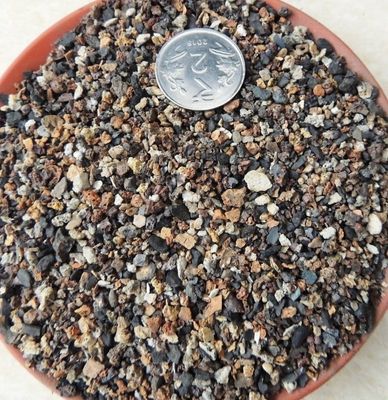
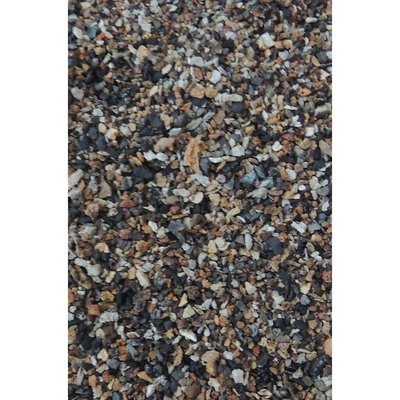
Cactus & Succulent Planting Mix FINE (aka Cactus Soil Mix or Succulent Soil Mix)
Cactus & Succulent Planting Mix FINE (aka Cactus Soil Mix or Succulent Soil Mix)
Fine-Grain Potting Mix for Cactus & Succulent Roots
SKU MNS001
5.0
(3)
₹39.85
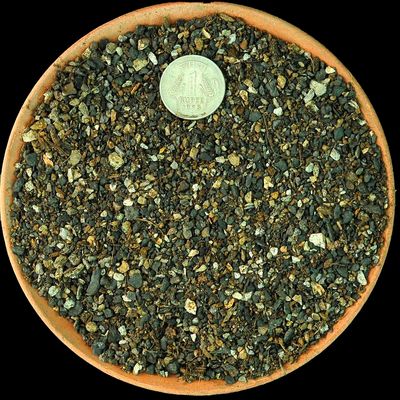
FORTIFIED Cactus & Succulent SOIL (FINE)
FORTIFIED Cactus & Succulent SOIL (FINE)
SKU MNS002
5.0
(4)
₹49.85
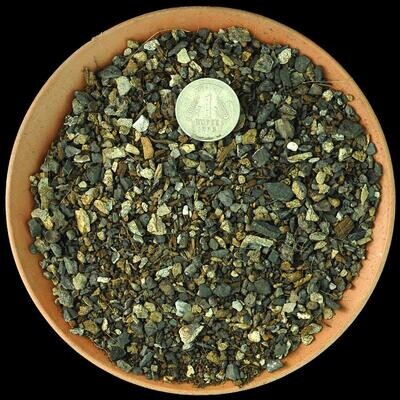
FORTIFIED Cactus & Succulent SOIL (COARSE)
FORTIFIED Cactus & Succulent SOIL (COARSE)
SKU MNS004
5.0
(11)
₹54.85
Display prices in:INR
