
Categories
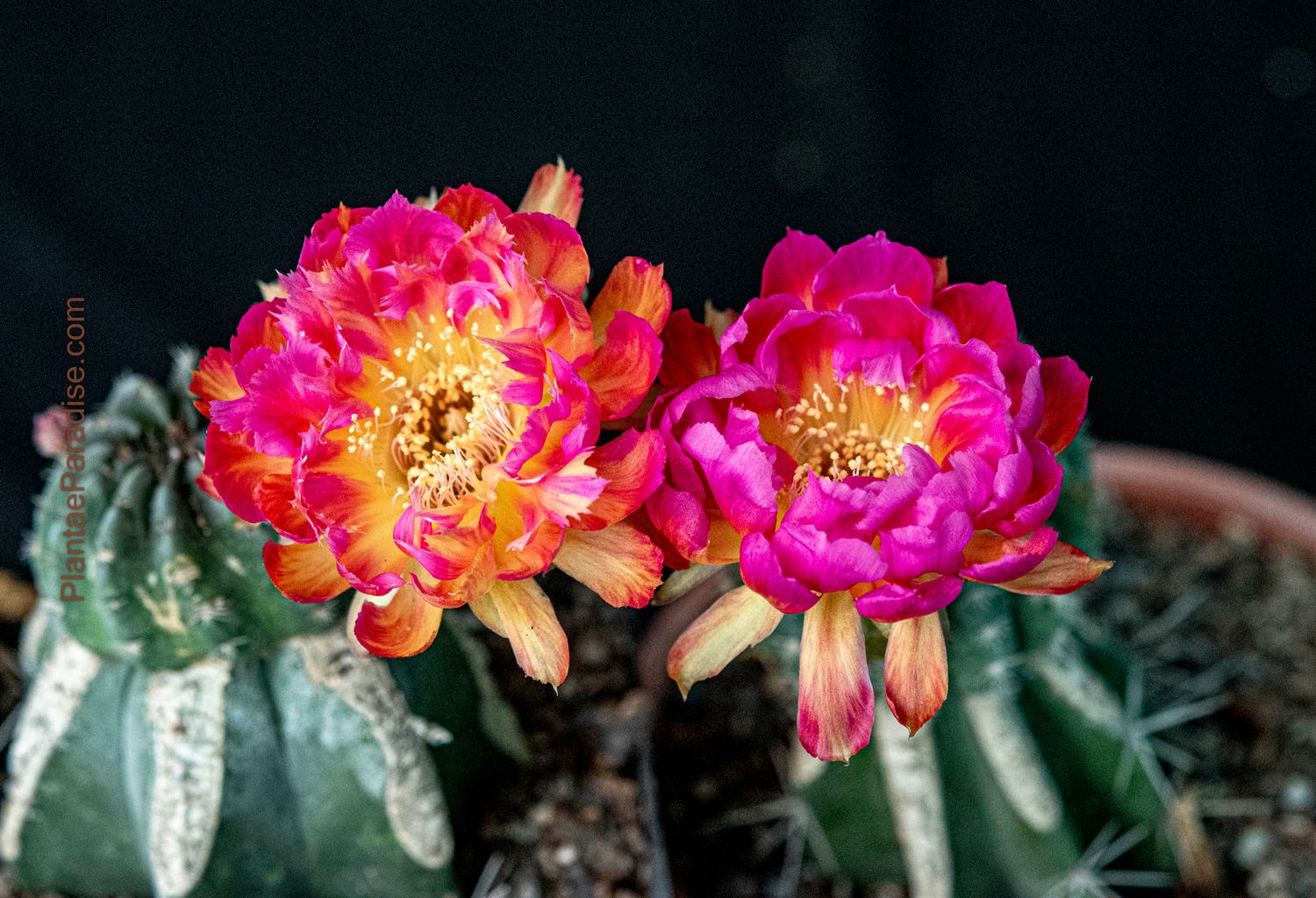
Lobivia hybrid Phoenix
SKU LET474
₹850.00
In stock: 1 available
1
Save this product for later
Customer reviews
Reviews only from verified customers
No reviews yet. You can buy this product and be the first to leave a review.
Lobivia hybrid Phoenix
Product Details
Radiant Twilight: Lobivia Hybrid A striking botanical specimen featuring a rare magenta-to-gold gradient, ideal for collectors seeking high-contrast floral aesthetics.
1. Origin & History of Name The genus name Lobivia is a clever anagram of "Bolivia," identifying the primary native region of the original species. It was established by botanists Nathaniel Lord Britton and Joseph Nelson Rose in 1922 to categorize species previously placed under Echinopsis but distinct for their day-flowering habits. As a hybrid, this specific plant is a product of selective horticultural breeding, lacking a traditional Latin specific epithet.
2. Morphology This hybrid is characterized by a compact, globular to cylindrical stem divided by distinct vertical ribs (costae). The epidermis is punctuated by areoles bearing clusters of radial spines. The primary commercial appeal lies in its large, diurnal inflorescence. The flowers display a complex bicolor phenotype: ruffled petals with intense magenta-pink margins that transition seamlessly into a glowing golden-yellow and orange throat, creating a luminous "sunset" effect rarely seen in standard cultivars.
3. Habitat & Origin This plant is a nursery-produced cultivar, meaning it is not harvested from the wild, ensuring 100% environmental sustainability. While its genetic ancestors originate from the high-altitude slopes of the Andes Mountains (spanning Bolivia, Peru, and Argentina), this hybrid was bred specifically for vigor and enhanced floral pigmentation in a controlled environment.
4. Cultivation Profile
- Substrate: Use a highly porous, mineral-based mix (e.g., 70% pumice, perlite, or gravel with 30% cocopeat or grit). Avoid heavy garden soil to prevent root rot, particularly relevant during the Indian monsoon.
- Light: Requires bright light to partial full sun. In the Indian climate, provide direct sunlight during winter and mornings but ensure filtered shade during the harsh afternoon heat (May–June) to prevent epidermal scorching.
- Water & Dormancy: Follow the "soak and dry" method. Water thoroughly only when the substrate is completely dry. significantly reduce watering during high-humidity monsoon periods and withhold water during winter dormancy to induce flowering.
5. Scientific/Historical Anecdote Taxonomically, Lobivia has been the subject of intense botanical debate. Modern DNA sequencing often lumps Lobivia into the larger genus Echinopsis. However, hobbyists and commercial growers strictly retain the name Lobivia to differentiate these small, manageable plants from the often massive, night-blooming Echinopsis, making the name a functional marker for "day-flowering dwarf cacti."
You May Also Like

FORTIFIED Cactus & Succulent SOIL (FINE)
FORTIFIED Cactus & Succulent SOIL (FINE)
SKU MNS002
5.0
(4)
₹49.85
New


Monsoon Guardian Kit (5 in 1)
Monsoon Guardian Kit (5 in 1)
Complete 5-in-1 biological protection kit for cacti & succulents
SKU MNS024
₹850.00

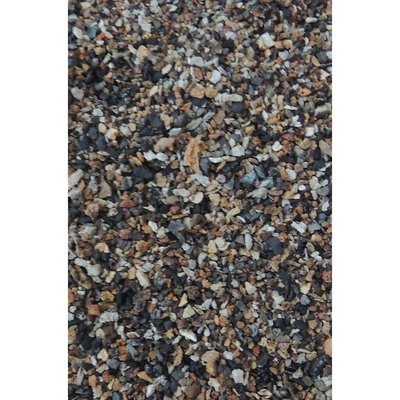
Cactus & Succulent Planting Mix FINE (aka Cactus Soil Mix or Succulent Soil Mix)
Cactus & Succulent Planting Mix FINE (aka Cactus Soil Mix or Succulent Soil Mix)
Fine-Grain Potting Mix for Cactus & Succulent Roots
SKU MNS001
5.0
(3)
₹39.85
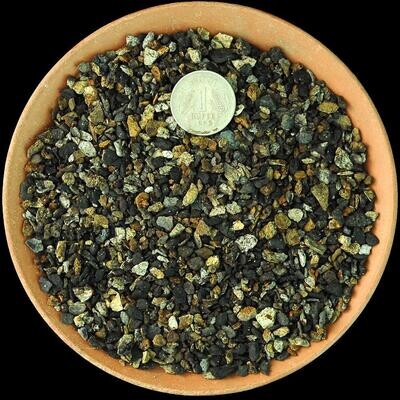
Cactus & Succulent Planting Mix COARSE (aka Cactus Soil Mix or Succulent Soil Mix)
Cactus & Succulent Planting Mix COARSE (aka Cactus Soil Mix or Succulent Soil Mix)
Washed, Free-Draining Mineral Mix for Cactus & Succulents
SKU MNS003
5.0
(1)
₹44.85
Display prices in:INR
