
Categories
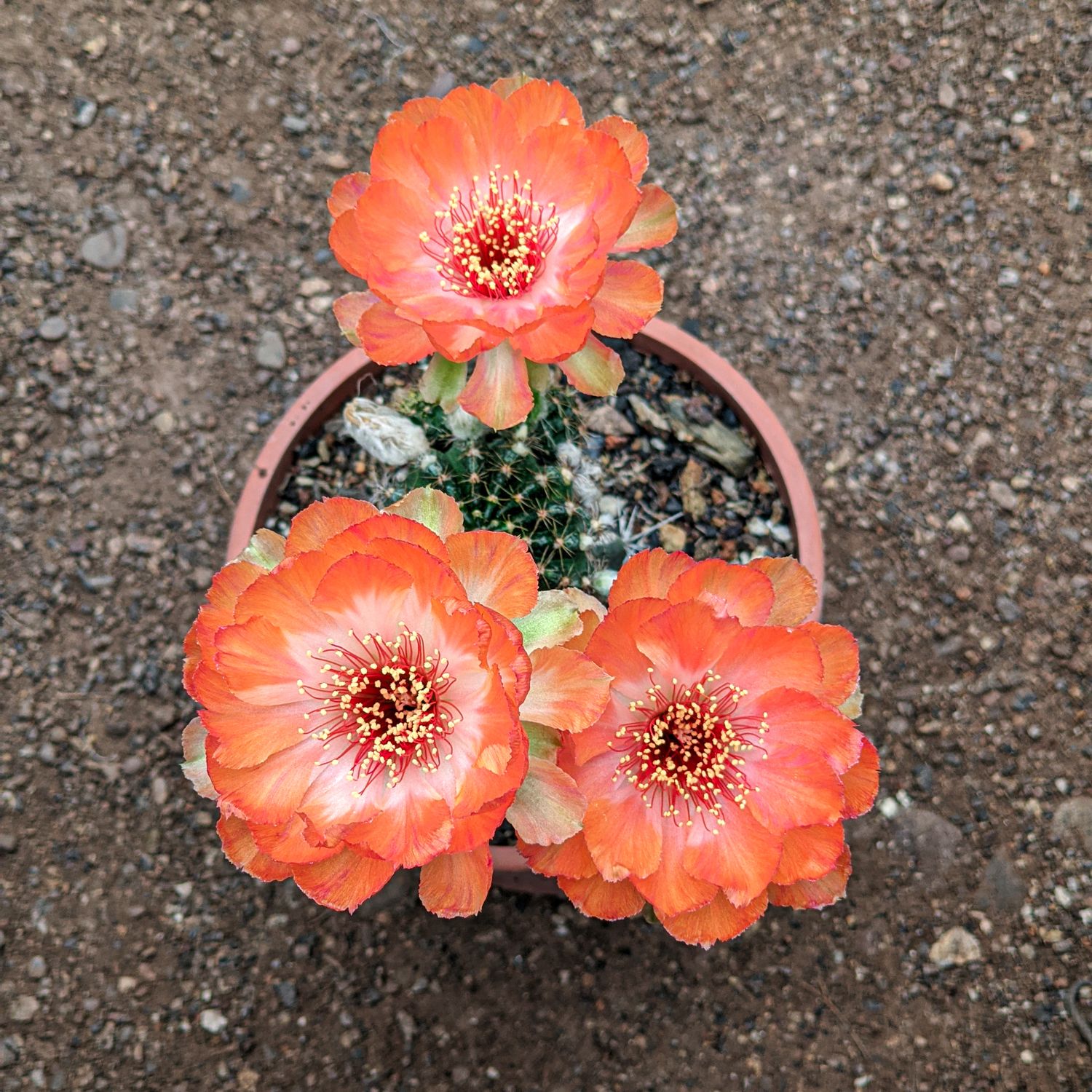
Lobivia hybrid Prometheus
SKU LET303
₹750.00
An award-worthy hybrid showcasing scarlet layered flowers with a luminous green throat that becomes the centrepiece of any collection.
In stock: 1 available
1
Save this product for later
Customer reviews
Reviews only from verified customers
No reviews yet. You can buy this product and be the first to leave a review.
Lobivia hybrid Prometheus
Product Details
Lobivia Hybrid 'Prometheus'
A fire-bright jewel of the cactus world — this compact hybrid rewards patience with masses of blazing tangerine blooms that seem to glow against its spiny green body.
1. Origin of Name
The genus name Lobivia is itself a small piece of botanical wordplay: it's an anagram of Bolivia, the South American country where the majority of wild species in this group are native. The name was coined by British botanist John Britton and American botanist Joseph Nelson Rose in their landmark 1922 work The Cactaceae, as they worked to organize the sprawling diversity of South American globular cacti into more manageable genera. Today, many taxonomists have folded Lobivia into the broader genus Echinopsis, though the name persists widely in horticulture and among collectors, especially for hybrids like this one.
The cultivar epithet 'Prometheus' references the Titan of Greek mythology who stole fire from the gods and gave it to humanity — a fitting name for a plant whose flowers erupt in such vivid, flame-like shades of orange and coral. As with most named cactus hybrids, 'Prometheus' is the product of deliberate breeding work by cactus enthusiasts and specialist nurseries, who cross and select Lobivia/Echinopsis relatives specifically for extraordinary flower color, form, and size — rather than being a wild-collected species with a documented discovery history.
2. Origin of Plant
While 'Prometheus' itself is a cultivated hybrid, its genetic heritage traces back to the high-altitude grasslands and rocky slopes of the Andes Mountains, spanning parts of Bolivia, Peru, and Argentina. Wild Lobivia species are found growing in cracks and crevices at elevations often exceeding 2,000–3,500 meters, where they endure intense sun, cool nights, and thin, mineral-poor soils. This tough alpine ancestry is exactly why hybrids like 'Prometheus' are so resilient and floriferous in cultivation — they descend from plants built to thrive in harsh, exposed conditions.
3. Description
'Prometheus' forms a small, globular to short-cylindrical cactus body, typically just a few inches across, densely covered in neat ribs and clusters of fine, pale spines. But the real spectacle is the flowering: in season, the plant produces large, satiny blooms in brilliant shades of orange and coral-red, with petals that shade delicately toward white or soft green at the base and a striking crimson throat filled with a dense cluster of golden-yellow stamens. Flowers can rival or exceed the diameter of the plant body itself, opening wide in daylight to reveal a almost luminous, multi-layered structure of ruffled petals. It's not unusual for a mature, well-grown specimen to produce several flowers simultaneously, as shown by clustering offsets each topped with their own bloom — creating a dramatic, oversized floral display on a diminutive plant.
4. Conservation Status
As a cultivated hybrid, 'Prometheus' itself carries no conservation designation — it exists only in cultivation and poses no pressure on wild populations. However, many of its wild Lobivia/Echinopsis ancestor species face habitat pressure from land conversion, illegal collection, and mining in their native Andean ranges, and several are listed under CITES Appendix II, which regulates international trade to prevent over-harvesting. Choosing nursery-propagated hybrids like this one is a responsible way to enjoy spectacular cactus flowers without impacting vulnerable wild populations.
5. Care
- Light: Full sun to very bright light is essential for compact growth and abundant flowering — at least 6 hours of direct sun daily, or a south-facing window indoors.
- Watering: Water thoroughly during the active growing season (spring–summer), then allow the soil to dry out completely before watering again. Reduce watering drastically in winter, keeping the plant nearly dry to encourage dormancy and future blooming.
- Soil: Use a fast-draining, mineral-rich cactus mix — a blend of standard potting soil with pumice, perlite, or coarse sand works well. Good drainage is critical to prevent root rot.
- Temperature: Thrives in warm conditions but appreciates cooler nights, especially in winter (down to around 5–10°C / 40–50°F), which helps trigger the following season's flower buds.
- Fertilizing: Feed with a low-nitrogen, high-phosphorus cactus fertilizer during the growing season to support strong flowering.
- Tip: These hybrids often flower most generously when slightly pot-bound and given a distinct winter rest — don't be tempted to overwater in the cooler months, even if the plant looks shriveled.
A Fitting Bit of Fire
There's something poetic about a Prometheus-named cactus surviving on almost nothing but sunlight and stubbornness, only to erupt once a year in flowers so vivid they look stolen from a furnace. Collectors often describe the bloom day of their Lobivia hybrids as a genuine event — flowers can open in the morning and close by evening, especially in cooler weather, making each flush of color a fleeting, must-see performance in the succulent garden.
You May Also Like
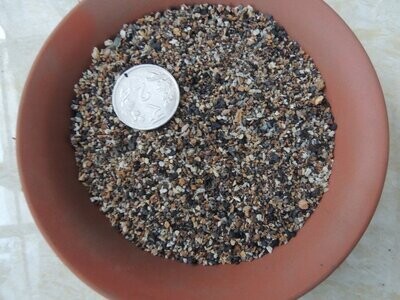
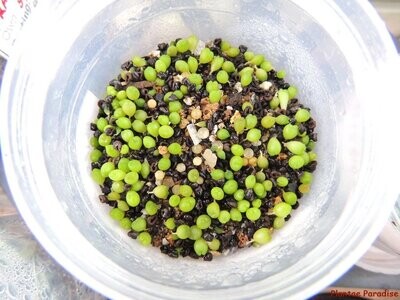
Cactus Seed Planting Mix
Cactus Seed Planting Mix
Sterile, Fine-Grain Media for Cactus & Succulent Seeds
SKU MNS005
₹74.85
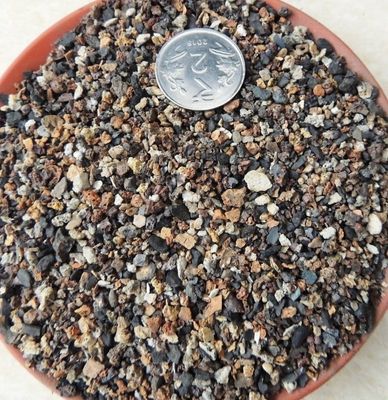
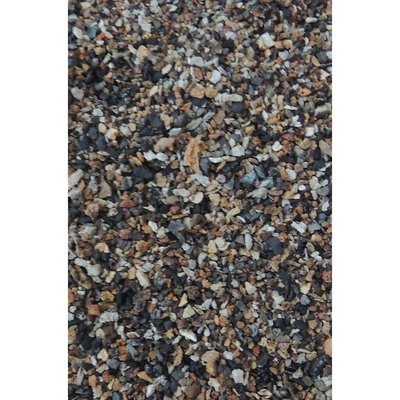
Cactus & Succulent Planting Mix FINE (aka Cactus Soil Mix or Succulent Soil Mix)
Cactus & Succulent Planting Mix FINE (aka Cactus Soil Mix or Succulent Soil Mix)
Fine-Grain Potting Mix for Cactus & Succulent Roots
SKU MNS001
5.0
(3)
₹39.85
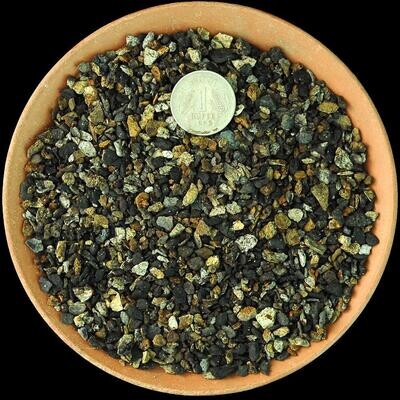
Cactus & Succulent Planting Mix COARSE (aka Cactus Soil Mix or Succulent Soil Mix)
Cactus & Succulent Planting Mix COARSE (aka Cactus Soil Mix or Succulent Soil Mix)
Washed, Free-Draining Mineral Mix for Cactus & Succulents
SKU MNS003
5.0
(1)
₹44.85
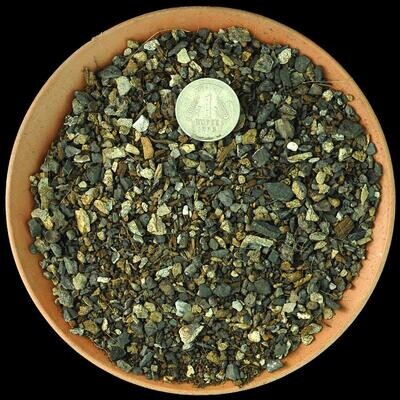
FORTIFIED Cactus & Succulent SOIL (COARSE)
FORTIFIED Cactus & Succulent SOIL (COARSE)
SKU MNS004
5.0
(12)
₹54.85
Display prices in:INR
