
Categories
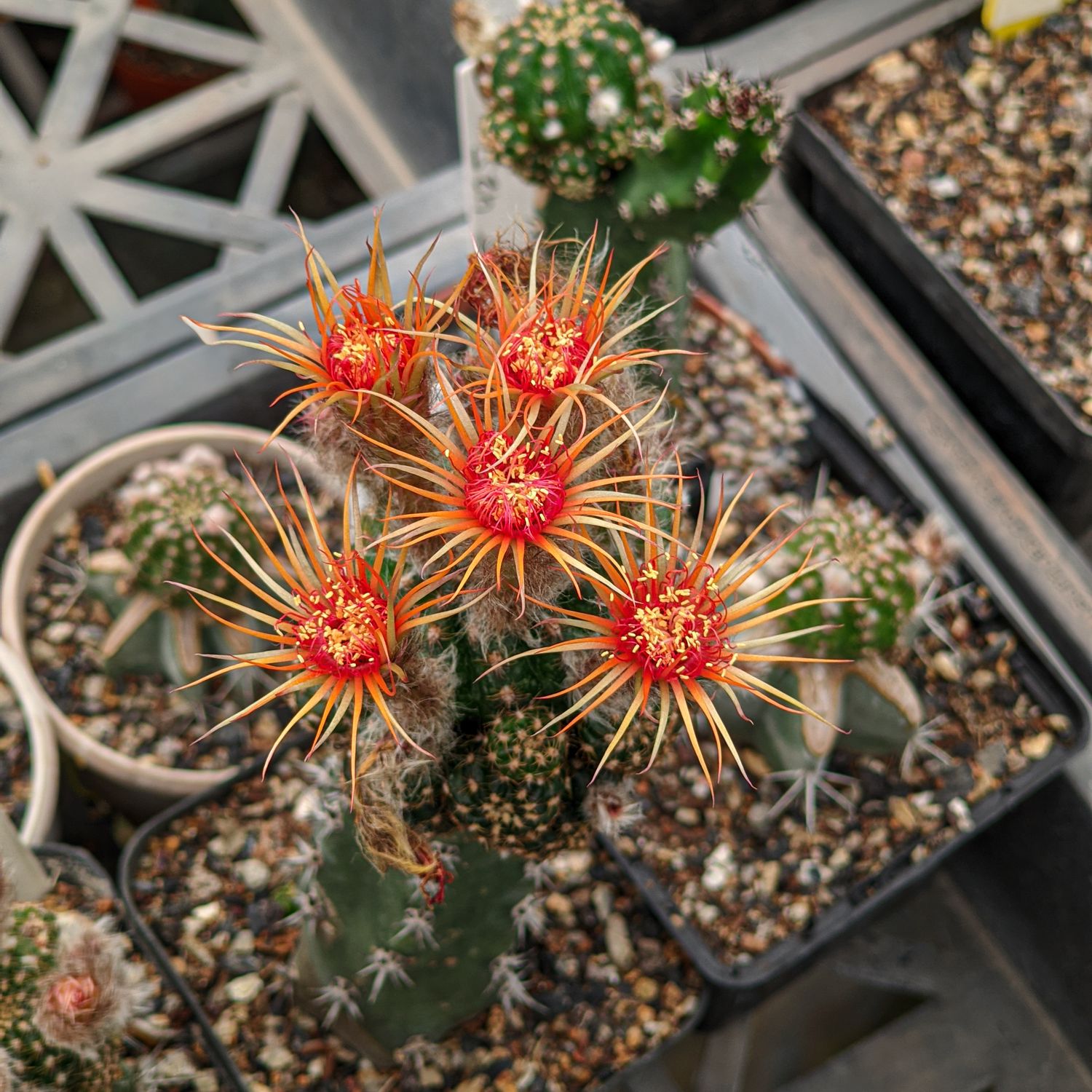
Lobivia hybrid Shinshowa Orange
SKU LET425
₹850.00
In stock: 1 available
1
Save this product for later
Customer reviews
Reviews only from verified customers
No reviews yet. You can buy this product and be the first to leave a review.
Lobivia hybrid Shinshowa Orange
Product Details
Blurb: Fire caught mid-spin — this Lobivia hybrid produces astonishing spider-form blooms with narrow, spiky petals radiating outward in a blaze of orange, gold, and crimson from a glowing red-orange throat. Bold, unmistakable, and utterly unlike a typical cactus flower, 'Shinshowa Orange' is a showpiece for collectors drawn to the strange and spectacular end of Lobivia breeding.
Lobivia hybrid "Shinshowa Orange"
1. Origin of Name
As with the wider genus, Lobivia is an anagram of Bolivia, coined in 1922 by botanists Britton and Rose to distinguish this group of compact, clustering, prolifically flowering Andean cacti from the broader Echinopsis concept of the day. Subsequent molecular taxonomy has folded Lobivia back into an expanded Echinopsis sensu lato, though the name endures among breeders and collectors as a working shorthand for this particular flowering style and growth habit.
The cultivar name 'Shinshowa' points to the flower's distinctive form rather than a breeder's signature — "Shinshowa" types are a recognized line within Lobivia/Echinopsis hybridizing prized specifically for their narrow, elongated, spider-like petals, a striking departure from the broad, rounded petals typical of most Lobivia blooms. This spidery form is thought to trace back to breeding work popularized in Japanese cactus circles, where "Shinshowa" (referencing a lineage or nursery name) became associated with this particular flower architecture, subsequently bred onward in numerous colour variants — of which this vivid orange-red selection is one.
2. Origin of Plant
The wild species underpinning Lobivia hybrids originate in the high-altitude Andes of Bolivia, southern Peru, northern Argentina, and Chile, typically between 2,000 and 4,000 metres elevation. This is a landscape of extremes — intense, thin-atmosphere sunlight by day and near-freezing nights — and wild Lobivia species evolved into low, densely spined, clustering cacti as a direct response to that pressure. European botanical expeditions of the late 19th and early 20th centuries brought these species into cultivation, where decades of selective breeding have since produced dramatic departures from the wild type, including unusual flower forms like the narrow-petaled "spider" blooms seen in Shinshowa cultivars.
3. Description
This is one of the more visually arresting flower forms in the Lobivia world. Rather than the broad, overlapping petals typical of the genus, 'Shinshowa Orange' produces blooms composed of narrow, elongated, almost thread-like petals that radiate outward in a starburst, giving each flower a spidery, fireworks-like silhouette entirely unlike a conventional cactus bloom. Colour intensifies from the tips inward — soft golden-yellow and peach at the petal ends, deepening through burnt orange to a rich red-orange glow at the flower's centre, where a dense cluster of golden stamens surrounds the stigma.
The plant produces multiple blooms simultaneously along its ribbed, densely spined stem, as seen here with five flowers opening together — creating a spectacular, almost otherworldly display against the plant's woolly, spine-covered body. It is a compact, clustering grower typical of the genus, offsetting readily and rewarding maturity with increasingly heavy simultaneous flushes of bloom.
4. Conservation Status
As a cultivated hybrid, 'Shinshowa Orange' carries no independent IUCN assessment and places no demand on wild populations. Its wild Lobivia/Echinopsis parent species are listed under CITES Appendix II, governing international trade in wild-sourced material. As an artificially propagated cultivar, it qualifies for the standard exemption applied to nursery-grown plants, permitting free trade and shipping, though documentation may still be required for certain cross-border sales.
5. Care
- Light: Bright light is essential for strong, compact growth and reliable flowering — a south- or west-facing window indoors, or several hours of direct morning sun outdoors, is ideal. Insufficient light results in stretched growth and reduced blooming.
- Watering: Water deeply, then allow the soil to dry out completely before the next watering. Cut back significantly in winter, keeping the plant nearly dry to mimic its natural high-altitude dormancy period.
- Soil: A sharply draining mineral cactus mix is essential — amend generously with pumice, coarse sand, or grit to prevent root rot in overly moisture-retentive soil.
- Pot: Terracotta is preferable to plastic, as its porous walls help excess moisture evaporate and keep the root zone appropriately dry between waterings.
- Temperature: Inherits solid cold tolerance from its high-altitude Andean ancestry and can handle cool winters, even brief light frost once mature — though best protected from prolonged hard freezes as a container plant.
- Feeding: A dilute, low-nitrogen cactus fertilizer during the active spring-to-summer growing season supports healthy offsetting and strong, simultaneous flower flushes.
6. A Story Worth Telling
"Spider" or "shinshowa" form flowers occupy a curious niche in cactus breeding — a deliberate departure from the broad, showy petals most hybridizers chase, in favour of something stranger and more architectural. Growers who cultivate this line often describe the appeal as almost entomological: the narrow, radiating petals evoke a firework mid-burst, or a many-legged creature caught in the instant of unfurling, rather than a conventional flower. It's a reminder that Lobivia breeding isn't only a pursuit of bigger and brighter — sometimes the most sought-after cultivars are the ones that reimagine what a cactus flower can even look like, and 'Shinshowa Orange,' blazing in five-fold symmetry across its spined stem, is a striking case in point.
You May Also Like
New


Monsoon Guardian Kit (5 in 1)
Monsoon Guardian Kit (5 in 1)
Complete 5-in-1 biological protection kit for cacti & succulents
SKU MNS024
₹850.00
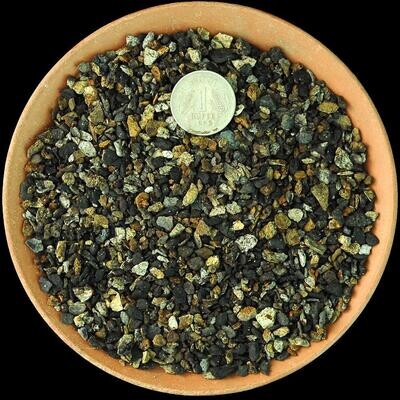
Cactus & Succulent Planting Mix COARSE (aka Cactus Soil Mix or Succulent Soil Mix)
Cactus & Succulent Planting Mix COARSE (aka Cactus Soil Mix or Succulent Soil Mix)
Washed, Free-Draining Mineral Mix for Cactus & Succulents
SKU MNS003
5.0
(1)
₹44.85
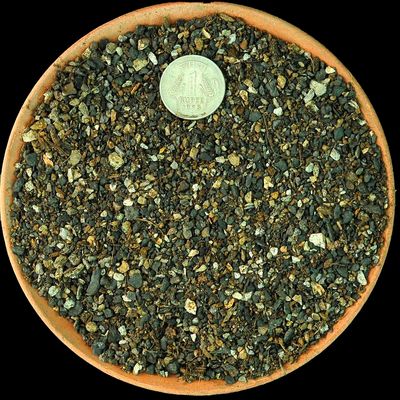
FORTIFIED Cactus & Succulent SOIL (FINE)
FORTIFIED Cactus & Succulent SOIL (FINE)
SKU MNS002
5.0
(4)
₹49.85


Cactus Seed Planting Mix
Cactus Seed Planting Mix
Sterile, Fine-Grain Media for Cactus & Succulent Seeds
SKU MNS005
₹74.85
Display prices in:INR
