
Categories
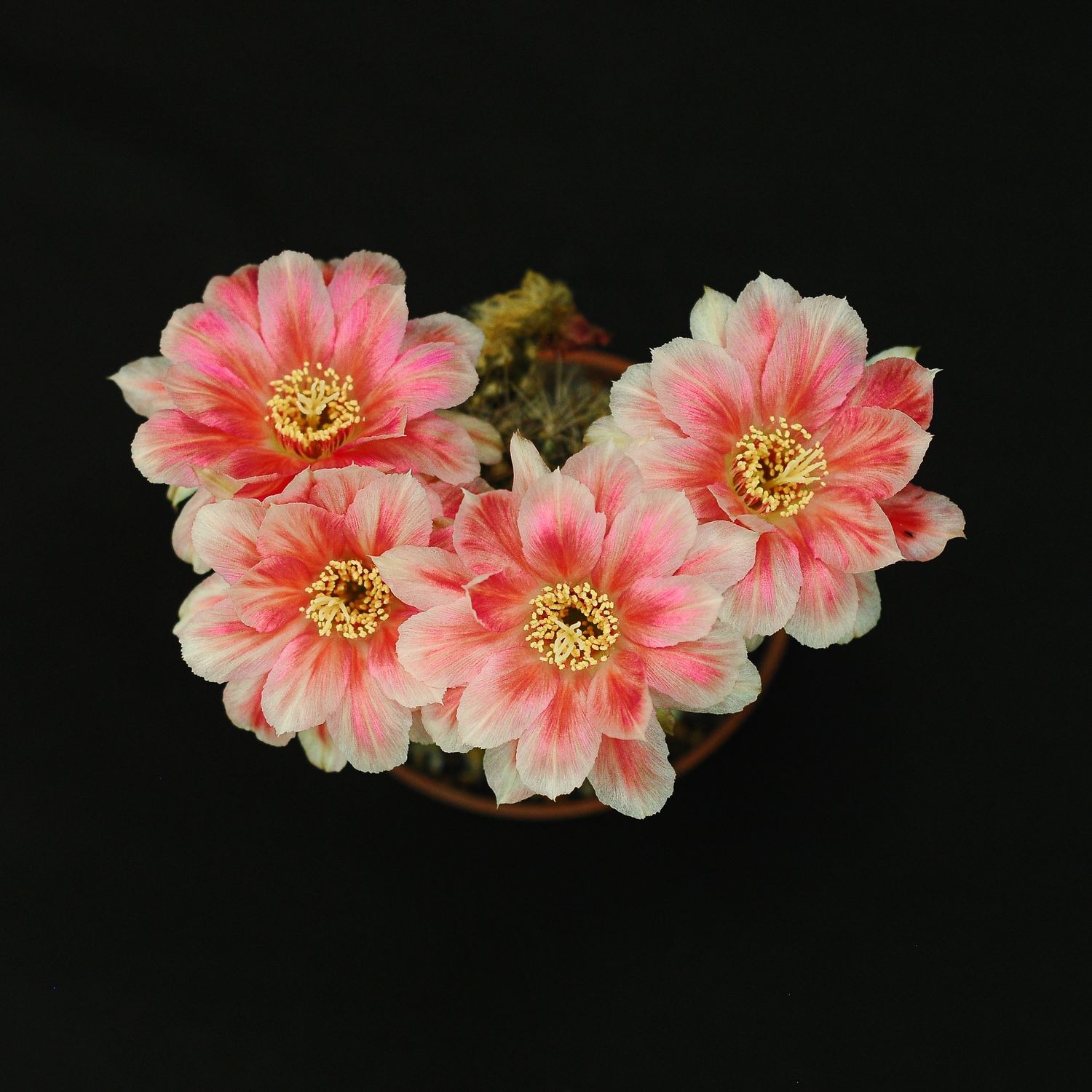
Lobivia hybrid Splash
SKU LET251
₹730.00
Sold out
Sold out
Save this product for later
Customer reviews
Reviews only from verified customers
No reviews yet. You can buy this product and be the first to leave a review.
Lobivia hybrid Splash
Product Details
Chromatic Radiance: Lobivia hybrid 'Splash'
A high-impact floral cultivar featuring a rare pink-to-peach gradient and an exceptionally dense stamen display.
- Origin & History of Name: The genus name Lobivia is an anagram of Bolivia, the primary country where these high-altitude cacti were first documented. The cultivar name 'Splash' refers to the "watercolour" effect of the petals, where pigments transition seamlessly from soft pink at the margins to a warm peach toward the throat. This naming convention is designed to highlight the fluid, multi-tonal nature of the hybrid’s bloom compared to solid-colored wild species.
- Morphology: This specimen possesses a compact, globose epidermis with pronounced costae (ribs) that are often notched or tuberculate. The flowers are actinomorphic (radially symmetrical) and multi-petaled, characterized by a soft gradient of anthocyanin pigments. A prominent central cluster of golden-yellow stamens provides a high-contrast focal point, designed to attract specific pollinators through high visual reflectance.
- Habitat & Origin: 'Splash' is a specialized cultivar derived from species originally native to the Andean highlands of Bolivia and Argentina. It was bred in a controlled nursery environment to prioritize floral diameter and color complexity over the more utilitarian traits of wild ancestors. This plant is sustainably produced through vegetative propagation, avoiding any impact on high-altitude Andean ecosystems.
- Cultivation Profile:
- Substrate: Use a highly inorganic, mineral-based mix (e.g., 70% volcanic rock, cinder, or coarse sand and 30% organic peat). This is critical in the Indian subcontinent to ensure rapid drainage during high-humidity monsoons.
- Light: Requires intense, bright light to maintain a compact form. In Northern India, provide full sun, but utilize 35% shade netting during the extreme heat of May and June to prevent cellular collapse.
- Water/Dormancy: Follow a strict soak-and-dry protocol during the growing season. In winter, enforce a cool, dry dormancy with zero water from late November to February; this temperature drop is essential for the "Splash" to set its spring flower buds.
- Scientific/Historical Anecdote: The genus Lobivia was established by botanist Nathaniel Lord Britton and Joseph Nelson Rose in 1922. Historically, these plants were separated from Echinopsis because of their shorter floral tubes and diurnal (day-blooming) habits. While modern phylogenetics often lumps them together, collectors still prize Lobivia hybrids for their unique ability to produce flowers that are often larger than the plant body itself.
You May Also Like

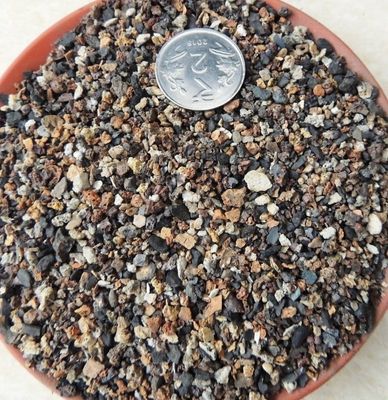
Cactus & Succulent Planting Mix COARSE (aka Cactus Soil Mix or Succulent Soil Mix)
Cactus & Succulent Planting Mix COARSE (aka Cactus Soil Mix or Succulent Soil Mix)
Washed, Free-Draining Mineral Mix for Cactus & Succulents
SKU MNS003
5.0
(1)
₹44.85
Cactus & Succulent Planting Mix FINE (aka Cactus Soil Mix or Succulent Soil Mix)
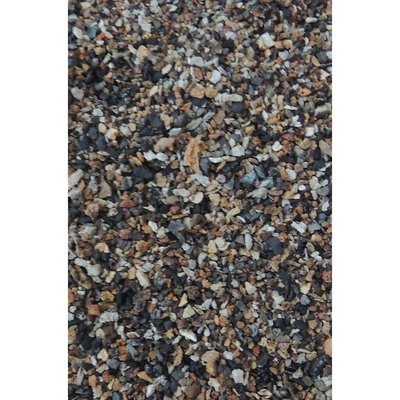
Cactus & Succulent Planting Mix FINE (aka Cactus Soil Mix or Succulent Soil Mix)
Fine-Grain Potting Mix for Cactus & Succulent Roots
SKU MNS001
5.0
(3)
₹39.85

Cactus Seed Planting Mix
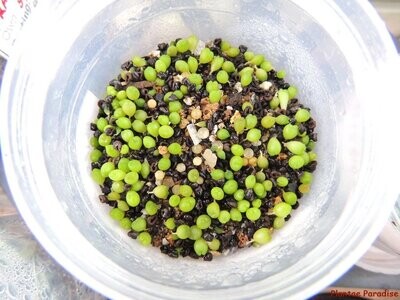
Cactus Seed Planting Mix
Sterile, Fine-Grain Media for Cactus & Succulent Seeds
SKU MNS005
₹74.85

FORTIFIED Cactus & Succulent SOIL (FINE)
FORTIFIED Cactus & Succulent SOIL (FINE)
SKU MNS002
5.0
(4)
₹49.85
Display prices in:INR
