
Categories
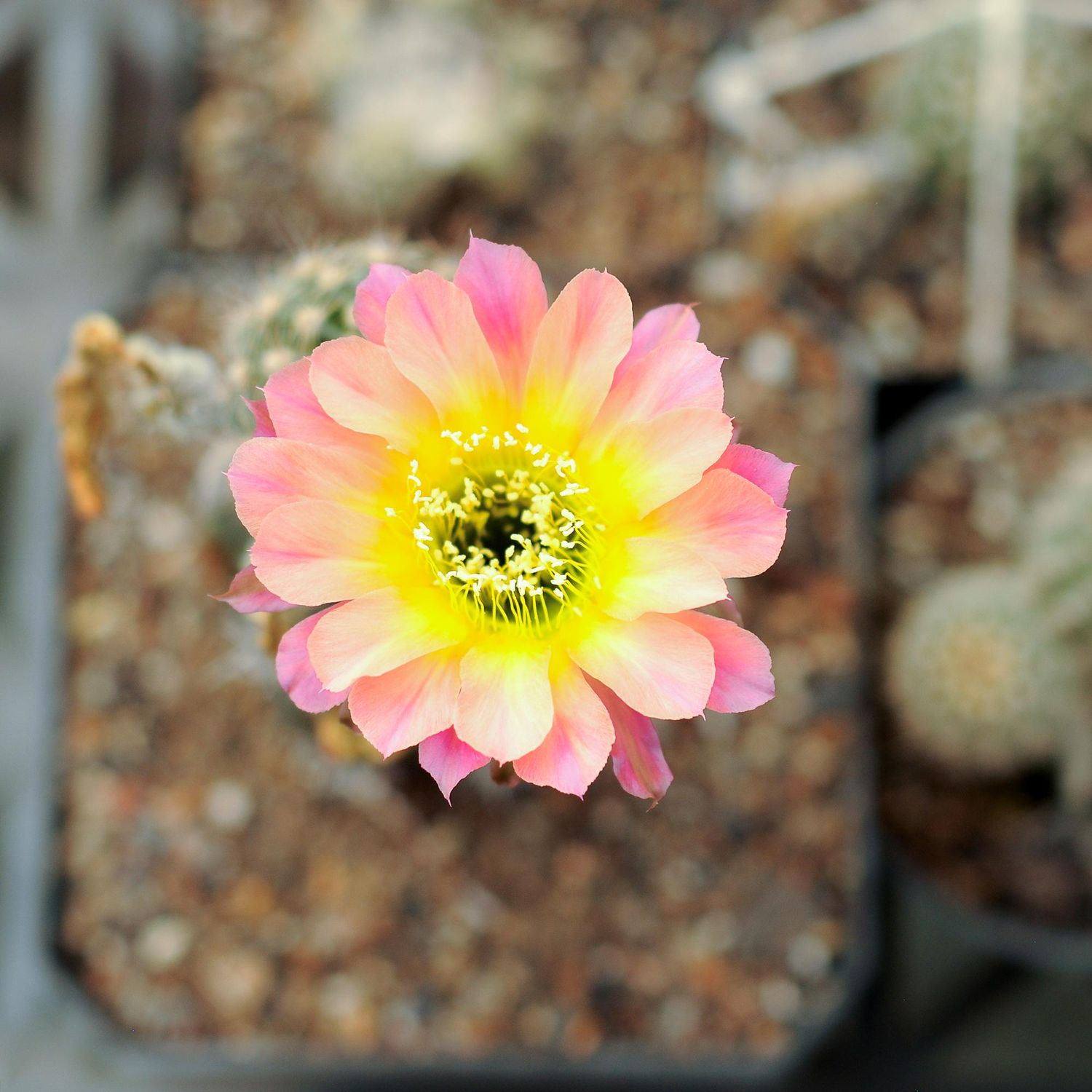
Lobivia hybrid TS9
SKU LET378
₹650.00
In stock: 1 available
1
Save this product for later
Customer reviews
Reviews only from verified customers
No reviews yet. You can buy this product and be the first to leave a review.
Lobivia hybrid TS9
Product Details
Luminous Pastel Gradient: Lobivia hybrid 'TS9'
A precision-bred specimen featuring a rare bi-color transition from soft pink distal margins to a radiant, sulfur-yellow core.
- Origin & History of Name: The genus name Lobivia is a clever anagram of Bolivia, the primary geographic center of the genus. The identifier "TS9" denotes a specific selection from a breeder’s "Technical Series," signifying a documented lineage focused on stabilizing unique floral bicoloration and compact growth habits.
- Morphology: This hybrid displays a globose to short-cylindrical epidermis with distinct, notched costae (ribs) that optimize surface area for water storage. Its defining feature is the funnelform bloom; the petals exhibit a delicate pink pigmentation at the tips that gradually yields to a high-chroma yellow center, accented by a cluster of fine, pale stamens.
- Habitat & Origin: This plant is a horticultural cultivar, not found in the wild. It is the result of selective hybridization of high-altitude Andean species. This captive-bred origin ensures it is a sustainable choice for collectors, as it does not involve the harvesting of wild-source populations from South American habitats.
- Cultivation Profile:
- Substrate: Use a strictly mineral-based mix (70% grit/pumice/scoria, 30% organic matter) to prevent root rot during the Indian monsoon.
- Light: Requires bright, filtered sunlight; in North Indian summers, provide 50% shade cloth protection to prevent epidermal scorching.
- Water/Dormancy: Provide deep watering only when the medium is completely dry; maintain a strict dry dormancy from November to February to trigger spring budding.
- Scientific/Historical Anecdote: The genus Lobivia was first established by botanist Nathaniel Lord Britton and Joseph Nelson Rose in 1922. Historically, these plants were valued by early 20th-century collectors for their disproportionately large flowers relative to their small body size—a biological adaptation to attract pollinators in the sparse, high-altitude environments of the Andes.
You May Also Like

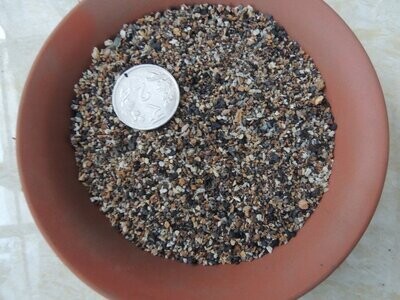
Cactus & Succulent Planting Mix COARSE (aka Cactus Soil Mix or Succulent Soil Mix)
Cactus & Succulent Planting Mix COARSE (aka Cactus Soil Mix or Succulent Soil Mix)
Washed, Free-Draining Mineral Mix for Cactus & Succulents
SKU MNS003
5.0
(1)
₹44.85
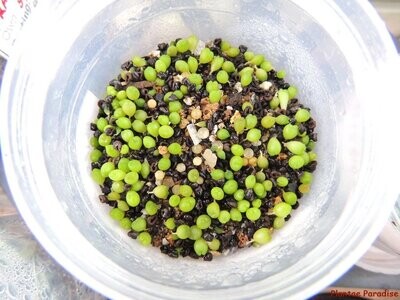
Cactus Seed Planting Mix
Cactus Seed Planting Mix
Sterile, Fine-Grain Media for Cactus & Succulent Seeds
SKU MNS005
₹74.85
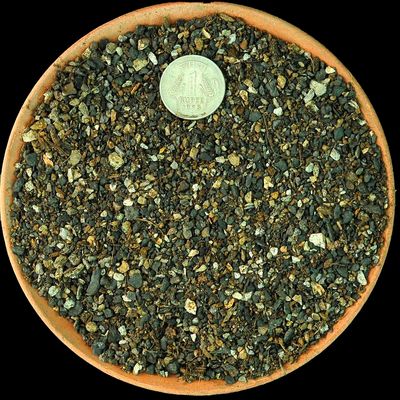
FORTIFIED Cactus & Succulent SOIL (FINE)
FORTIFIED Cactus & Succulent SOIL (FINE)
SKU MNS002
5.0
(4)
₹49.85
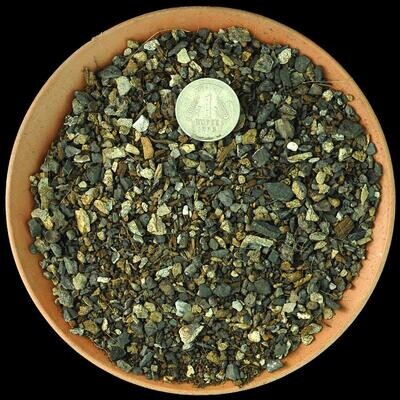
FORTIFIED Cactus & Succulent SOIL (COARSE)
FORTIFIED Cactus & Succulent SOIL (COARSE)
SKU MNS004
5.0
(11)
₹54.85
Display prices in:INR
