
Categories
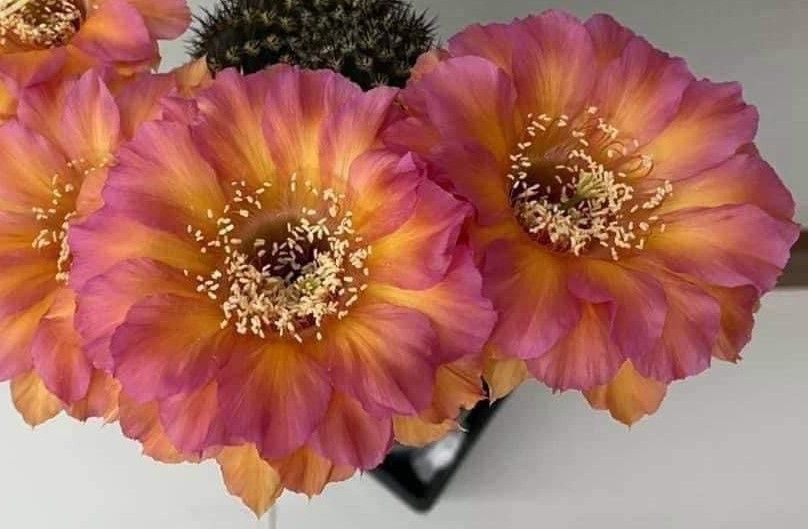
Lobivia hybrid Tundra Sunset
SKU LET244
₹850.00
In stock: 1 available
1
Save this product for later
Customer reviews
Reviews only from verified customers
No reviews yet. You can buy this product and be the first to leave a review.
Lobivia hybrid Tundra Sunset
Product Details
Lobivia Hybrid "Tundra Sunset"
Origin of Name:
The name "Lobivia" is derived from an anagram of Bolivia, reflecting the region where these cacti are predominantly found. The suffix "Tundra Sunset" is inspired by the vibrant hues reminiscent of a sunset over the tundra, showcasing the plant's striking floral color palette.
Origin of Plant:
Native to the mountainous regions of South America, particularly in Bolivia, Argentina, and Peru, the Lobivia genus thrives in rocky terrains and high altitudes. This genus was first noted in the late 19th century by botanical explorers intrigued by its resilience and beauty. The discovery and subsequent popularity of the Lobivia have made it a staple among cactus enthusiasts.
Description:
The "Tundra Sunset" evolution within the Lobivia genus reveals a mesmerizing blend of colors, featuring large, broad flowers with frilly petals. The heart of the bloom radiates with vibrant orange-yellow hues, transitioning to peach and purple on the edges. These radiant flowers, supported by a compact and robust cactus body, make it an exquisite ornamental choice. The plant typically blooms in spring and early summer, offering a striking visual display.
Conservation Status:
As a hybrid produced in nurseries, the "Tundra Sunset" does not require conservation efforts typical of wild species. It remains a focus of horticultural interest, valued for cultivation and collection rather than habitat preservation concerns.
Care:
To ensure flourishing growth, the "Tundra Sunset" requires well-draining soil and should be watered sparingly—allowing soil to dry out between sessions. It thrives in bright, indirect light, ideally suited for windowsill displays. During winter, maintain cooler temperatures to mimic its natural dormancy period. Supplementing with cactus fertilizer in the growing season helps promote vibrant blooms.
Interesting Anecdote or Historical Story:
Legend has it that early explorers who stumbled upon the Lobivia were so captivated by the cactus's surreal blooms that they were moved to dedicate entire journals to their documentation. This enthusiasm helped spread its allure, making it a beloved addition to private collections in botanical circles worldwide.
You May Also Like
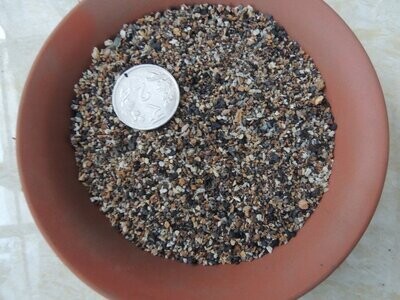
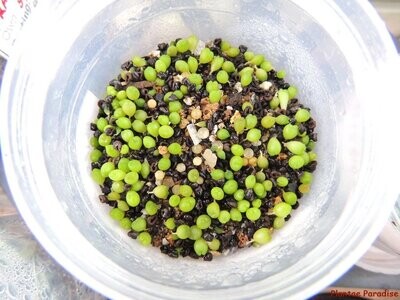
Cactus Seed Planting Mix
Cactus Seed Planting Mix
Sterile, Fine-Grain Media for Cactus & Succulent Seeds
SKU MNS005
₹74.85
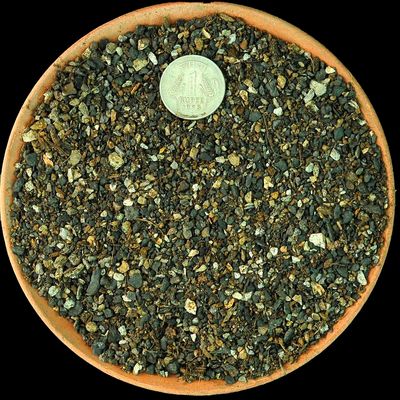
FORTIFIED Cactus & Succulent SOIL (FINE)
FORTIFIED Cactus & Succulent SOIL (FINE)
SKU MNS002
5.0
(4)
₹49.85
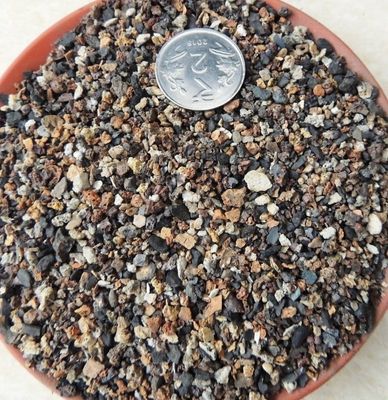

Cactus & Succulent Planting Mix FINE (aka Cactus Soil Mix or Succulent Soil Mix)
Cactus & Succulent Planting Mix FINE (aka Cactus Soil Mix or Succulent Soil Mix)
Fine-Grain Potting Mix for Cactus & Succulent Roots
SKU MNS001
5.0
(3)
₹39.85
New

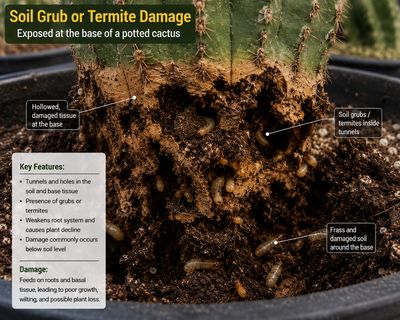
Monsoon Guardian Kit (5 in 1)
Monsoon Guardian Kit (5 in 1)
Complete 5-in-1 biological protection kit for cacti & succulents
SKU MNS024
₹850.00
Display prices in:INR
