
Categories
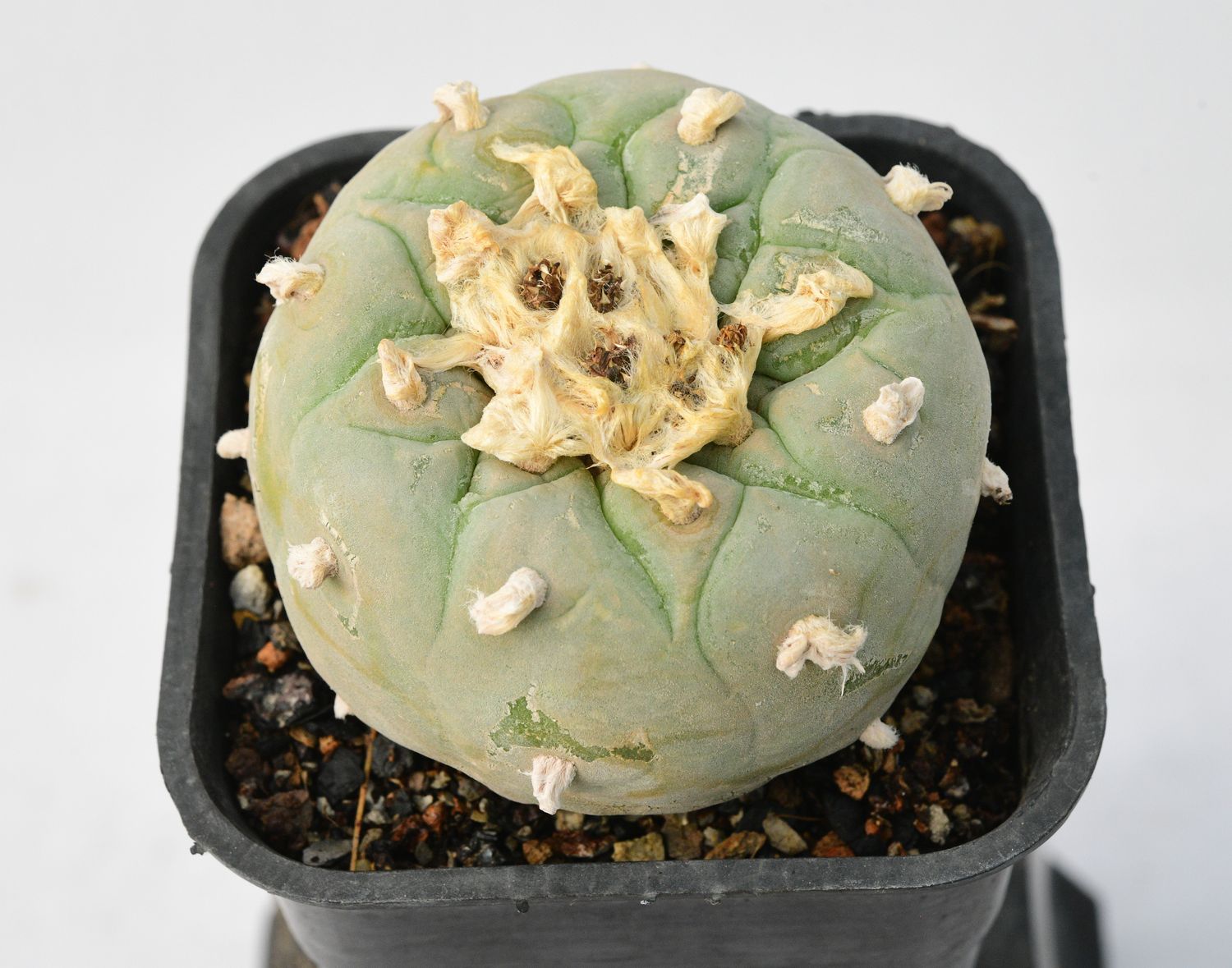
Lophophora diffusa Var. Koehresii
SKU LH002
₹1 550.00
In stock: 1 available
1
Save this product for later
Customer reviews
Reviews only from verified customers
No reviews yet. You can buy this product and be the first to leave a review.
Lophophora diffusa Var. Koehresii
Product Details
Big single head well rooted seed grown
The Velvet Collector’s Gem: Lophophora diffusa var. koehresii
A must-have for the serious enthusiast, this variety is prized for its deep, olive-green epidermis and exceptionally delicate ribbing.
- Origin & History of Name: The genus name Lophophora stems from the Greek words lophos (crest) and phoreus (bearer), referring to the iconic tufts of wool.
This specific variety is named in honor of Gerhard Köhres, a renowned German succulent expert who significantly advanced the study of the genus in the late 20th century. - Morphology: Unlike its relatives, var. koehresii is characterized by its smaller, more compact globular stem and a distinctively darker, brownish-green epidermis. It typically features narrow, well-defined costae (ribs) and lacks spines, instead producing soft, white woolly areoles. Its flowers are notably smaller and usually present in shades of pale pink to cream.
- Habitat & Origin: This is a wild species native to a very specific, restricted range in San Luis Potosí, Mexico. It grows in silty, alluvial soils. Due to its limited natural habitat, these plants are strictly lab-propagated or nursery-grown to ensure the sustainability of wild populations.
- Cultivation Profile:
- Substrate: Use a strictly mineral-based mix (80% inorganic). Combine crushed pumice, lava rock, and coarse sand with only 20% organic matter to prevent root rot.
- Light: Requires bright, filtered sunlight. In the Indian summer, provide 50% shade cloth protection to avoid scorching the epidermis during peak afternoon heat.
- Water/Dormancy: Water deeply only when the substrate is bone-dry during the growing season (March–September). Practice strict dry dormancy from November to February to mimic its natural environment and prevent fungal issues during the humid Indian winter.
- Scientific/Historical Anecdote: For decades, Lophophora taxonomy was a subject of heated debate. It wasn't until the 1990s that koehresii was formally recognized as a distinct variety. Interestingly, it is known for having the highest concentration of non-mescaline alkaloids within the genus, making it a focus of specific phytochemical interest compared to the more famous L. williamsii.
You May Also Like
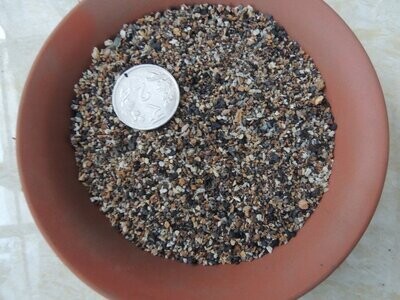
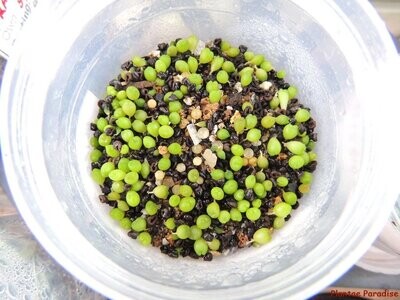
Cactus Seed Planting Mix
Cactus Seed Planting Mix
Sterile, Fine-Grain Media for Cactus & Succulent Seeds
SKU MNS005
₹74.85

Cactus & Succulent Planting Mix COARSE (aka Cactus Soil Mix or Succulent Soil Mix)
Cactus & Succulent Planting Mix COARSE (aka Cactus Soil Mix or Succulent Soil Mix)
Washed, Free-Draining Mineral Mix for Cactus & Succulents
SKU MNS003
5.0
(1)
₹44.85

FORTIFIED Cactus & Succulent SOIL (COARSE)
FORTIFIED Cactus & Succulent SOIL (COARSE)
SKU MNS004
5.0
(11)
₹54.85
New
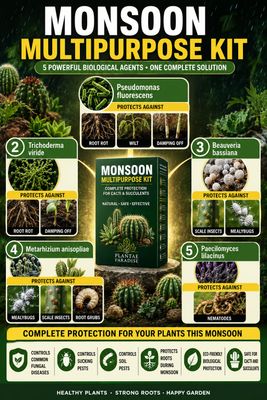
Monsoon Guardian Kit (5 in 1)
Monsoon Guardian Kit (5 in 1)
Complete 5-in-1 biological protection kit for cacti & succulents
SKU MNS024
₹850.00
Display prices in:INR
