
Categories
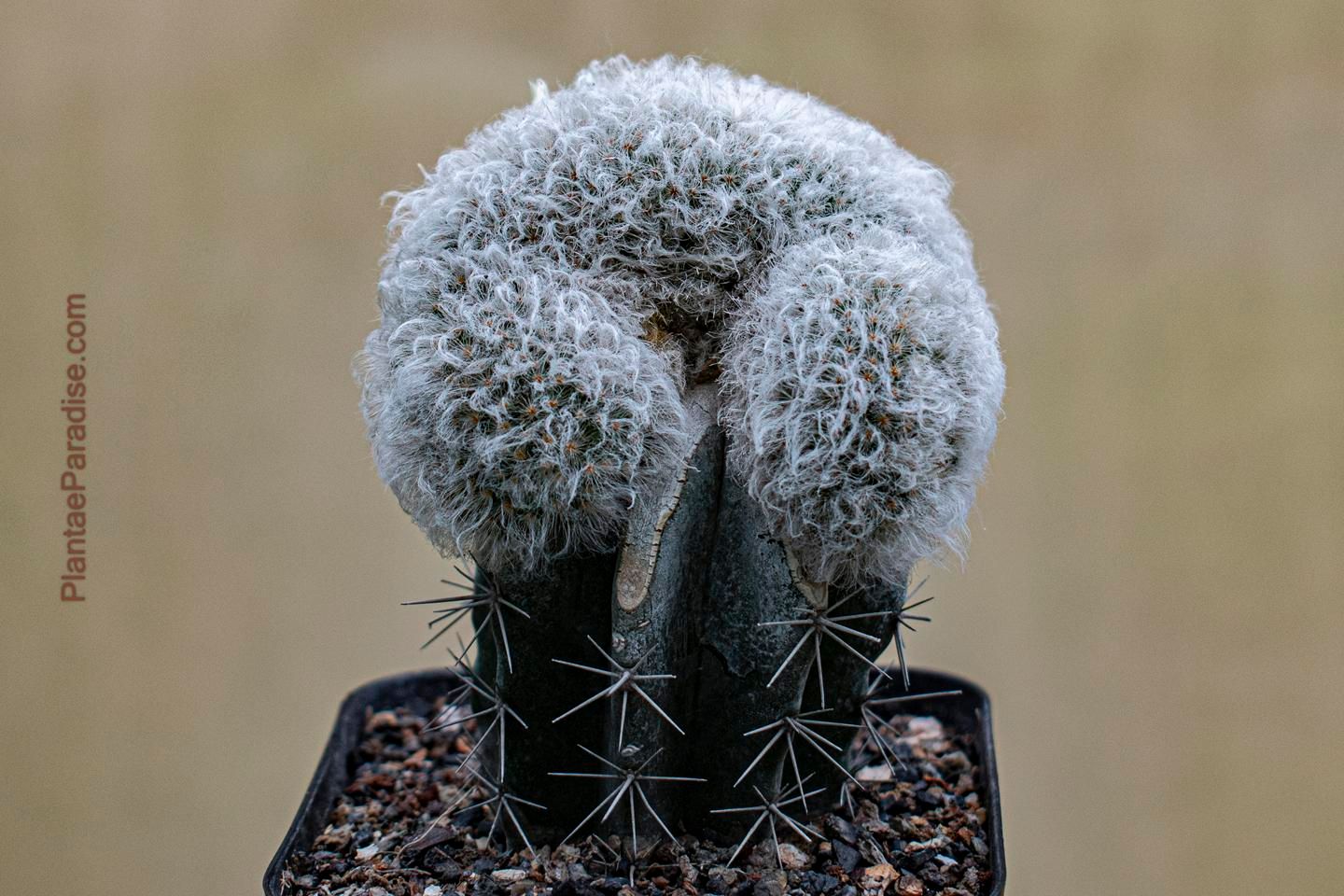
Mammillaria bocasana crest
SKU MA085Ga
₹850.00
Sold out
Sold out
Save this product for later
Customer reviews
Reviews only from verified customers
No reviews yet. You can buy this product and be the first to leave a review.
Mammillaria bocasana crest
Product Details
Mammillaria bocasana crest
Origin of Name:
The genus name Mammillaria is derived from the Latin word mammilla, meaning "little nipple," an apt description of the nipple-like protrusions, or tubercles, that characterize this cactus family. The species name bocasana is derived from its initial discovery near the town of Boca de Potrerillos in Nuevo León, Mexico. This discovery was documented by early botanists exploring the rich flora of central Mexico during the 19th century. The "crest" form refers to a morphological mutation resulting in the plant's growth in a uniquely wavy or fan-shaped pattern. These crests are highly prized for their distinctive and ornamental shapes, often formed through natural mutation or selected breeding.
Origin of Plant:
Mammillaria bocasana is native to the central regions of Mexico, notably in the states of San Luis Potosí and Zacatecas, where it thrives in desert scrub and rocky outcrops. Its natural habitat features minimal rainfall, intense sunlight, and well-drained soils, creating a challenging yet ideal environment for its growth. First described in the botanical literature of the 19th century, it became a subject of interest for its striking appearance and adaptability. The crested form, while naturally rare, is often cultivated due to its appealing and rare growth pattern.
Description:
The crested form of Mammillaria bocasana is an intriguing visual spectacle. Instead of the typical globular shape, the crest forms intriguing, undulating fans or brain-like ridges that grow in a linear, sweeping motion. The plant is covered with dense, white radial spines, resembling soft cotton or cobwebs, which provide both protection and a stunning visual contrast. The body is often tinged with a muted green or subtle bluish hue beneath its spines. During its flowering period, it blooms with small, silky flowers in soft hues of pink or cream, nestled among the woolly spines. The combination of its sculptural form and delicate flowers make it a centerpiece in any collection, offering both beauty and fascination.
Conservation Status:
Mammillaria bocasana is not currently considered threatened, though like many cacti, it faces pressures from habitat destruction and illegal collection. The cultivation of the crested form helps protect wild populations by reducing the demand for plants from their natural habitats. Conservation efforts focus on habitat preservation and the promotion of sustainable growing practices.
Care:
Caring for Mammillaria bocasana crest involves replicating its native habitats as closely as possible. Plant it in well-draining soil, such as a cactus mix enhanced with sand or perlite. It thrives in bright, indirect sunlight to encourage healthy growth and flowering, aiming for at least 4-6 hours daily. Water sparingly, allowing the soil to dry completely between waterings, especially during the winter when the plant is dormant. This cactus enjoys warm temperatures around 65°F to 85°F but should be protected from frost and excess humidity. Fertilize during the growth season with a diluted cactus fertilizer to encourage robust blooms. The delicate care not only highlights its unique shapes but also ensures your plant remains healthy and vibrant.
Interesting Fact:
Crested cacti like Mammillaria bocasana exemplify the stunning versatility of plant growth patterns, often arising as a genetic mutation causing the plant’s growth point to spread laterally rather than vertically. These formations have captivated collectors and enthusiasts by emphasizing the concept of beauty through natural deviation and marveling at nature’s unique artistry.
You May Also Like
New
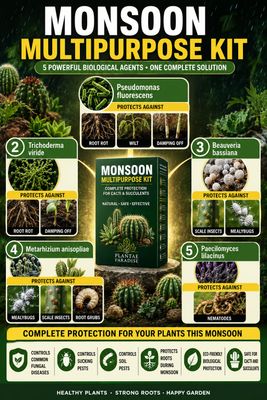
Monsoon Guardian Kit (5 in 1)
Monsoon Guardian Kit (5 in 1)
Complete 5-in-1 biological protection kit for cacti & succulents
SKU MNS024
₹850.00
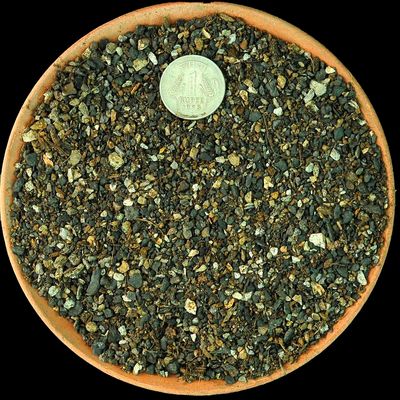
FORTIFIED Cactus & Succulent SOIL (FINE)
FORTIFIED Cactus & Succulent SOIL (FINE)
SKU MNS002
5.0
(4)
₹49.85
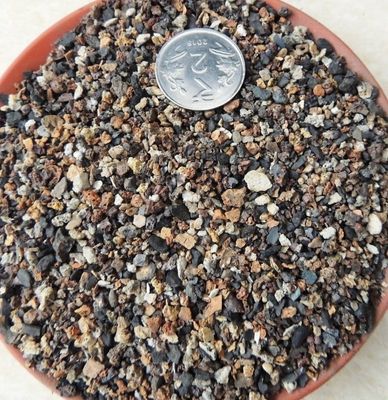
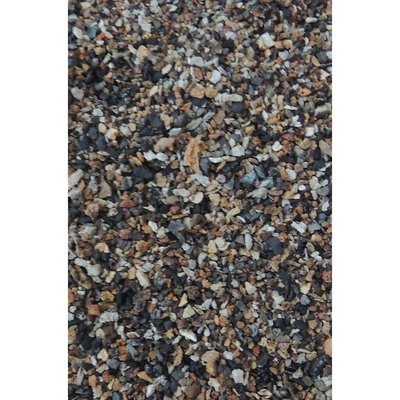
Cactus & Succulent Planting Mix FINE (aka Cactus Soil Mix or Succulent Soil Mix)
Cactus & Succulent Planting Mix FINE (aka Cactus Soil Mix or Succulent Soil Mix)
Fine-Grain Potting Mix for Cactus & Succulent Roots
SKU MNS001
5.0
(3)
₹39.85
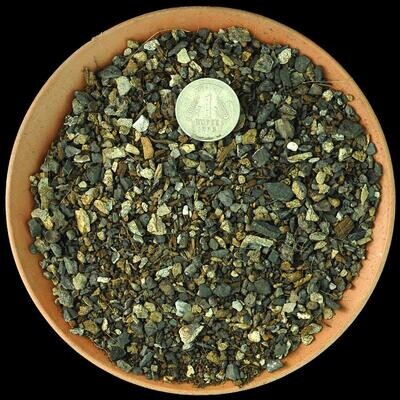
FORTIFIED Cactus & Succulent SOIL (COARSE)
FORTIFIED Cactus & Succulent SOIL (COARSE)
SKU MNS004
5.0
(11)
₹54.85
Display prices in:INR
