
Categories
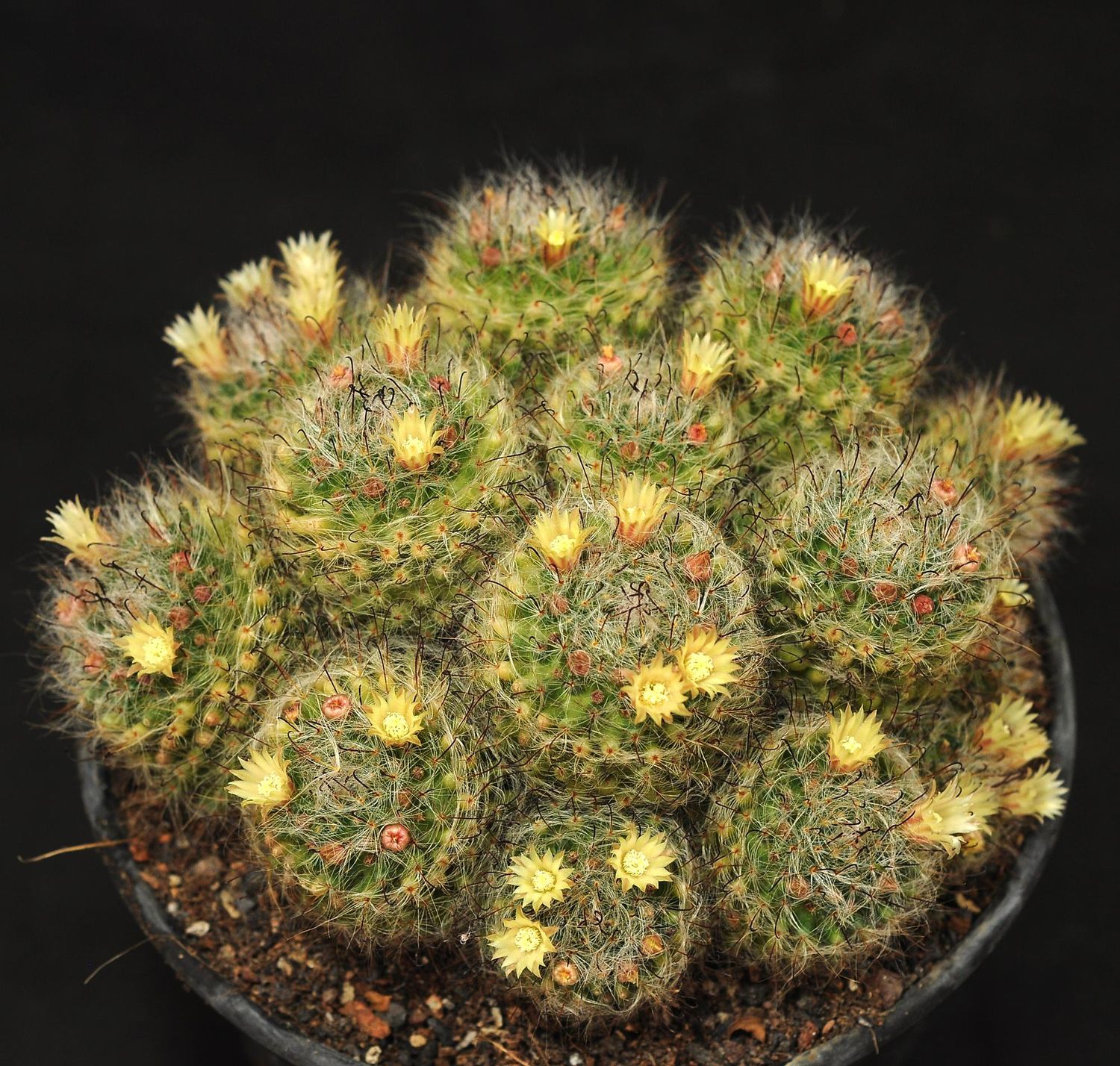
Mammillaria bocasana typical form
SKU MA026
₹750.00
Sold out
Sold out
Save this product for later
Customer reviews
Reviews only from verified customers
No reviews yet. You can buy this product and be the first to leave a review.
Mammillaria bocasana typical form
Product Details
Grafted plant . Same plant as shown will be sent. See scale for size.
Grafted plant . Same plant as shown will be sent. See scale for size. Some portions may turn may out variegated or lose colour with seasonal variations. From variegated parent plant.
The genus name "Mammillaria" is derived from the Latin word 'mammilla', meaning 'nipple' or 'teat', referring to the tubercles that are a characteristic feature of plants in this genus. Mammillaria saboae was named after the botanist and cactus specialist Jean Sabo (1877-1952), who was known for his extensive work on Mexican cacti. Sabo collected many specimens of cacti in Mexico, including Mammillaria saboae, which was named in his honor by the botanist Friedrich Ritter in 1958. The subspecies name "haudeana" was given in honor of Walter Haude, a German cactus enthusiast who collected the plant in the wild and contributed to its study.The term 'variegated' refers to the plant's unusual coloration, where different colors appear on the same plant, often in stripes or patches.
Technical Description of Plant
Mammillaria saboae v. haudeana variegated is a small, globular cactus that typically grows in clusters. It's characterized by its variegated appearance, displaying patches or streaks of white, yellow, or pink alongside the more typical green. The plant features prominent tubercles, each tipped with radial spines that are generally white or light in color. The variegation can vary significantly between individuals, making each plant unique. This cactus blooms with small, bell-shaped flowers that are usually pink or white, adding to its decorative appeal.
Origin of Plant
Mammillaria saboae is native to Mexico, specifically found in areas like Nuevo León. The variegated form, however, is more likely a result of cultivation and selective breeding rather than a naturally occurring phenomenon. It represents a cultivar developed for its unique and striking appearance.
Conservation Status
While Mammillaria saboae as a species is not listed as endangered, the specific variegated variety is cultivated primarily for the ornamental plant market. Its conservation status is not individually assessed, but it is not considered at risk. The cultivation and sale of these plants do not directly impact the species' status in the wild.
Care Instructions
Mammillaria saboae v. haudeana variegated requires similar care to other Mammillaria species. It thrives in well-draining soil and needs plenty of sunlight, although direct afternoon sun in hot climates may need to be moderated to prevent scorching. Water moderately during the growing season and allow the soil to dry out between waterings. In winter, reduce watering significantly. This cactus is not frost-tolerant, so it should be protected or brought indoors during cold weather. Fertilize lightly during the growing season for best results.
You May Also Like
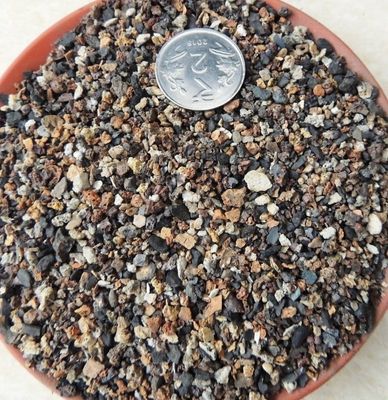
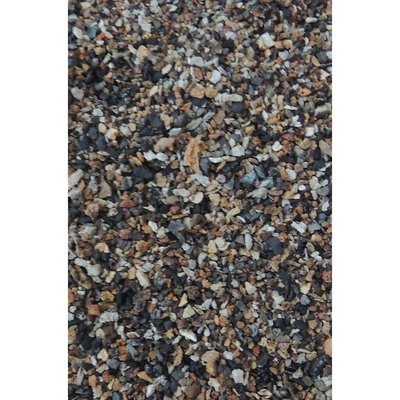
Cactus & Succulent Planting Mix FINE (aka Cactus Soil Mix or Succulent Soil Mix)
Cactus & Succulent Planting Mix FINE (aka Cactus Soil Mix or Succulent Soil Mix)
Fine-Grain Potting Mix for Cactus & Succulent Roots
SKU MNS001
5.0
(3)
₹39.85
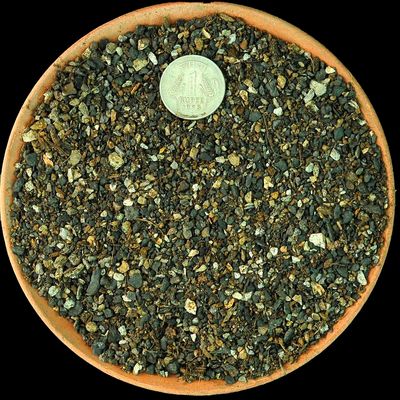
FORTIFIED Cactus & Succulent SOIL (FINE)
FORTIFIED Cactus & Succulent SOIL (FINE)
SKU MNS002
5.0
(4)
₹49.85
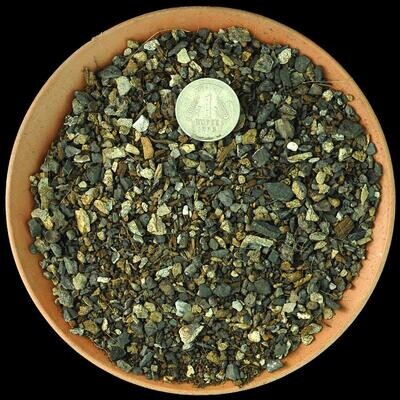
FORTIFIED Cactus & Succulent SOIL (COARSE)
FORTIFIED Cactus & Succulent SOIL (COARSE)
SKU MNS004
5.0
(11)
₹54.85
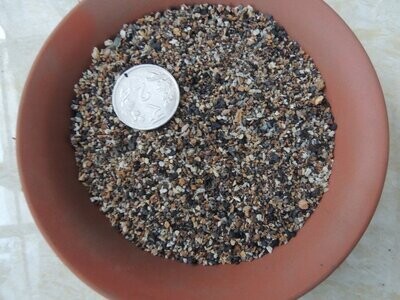
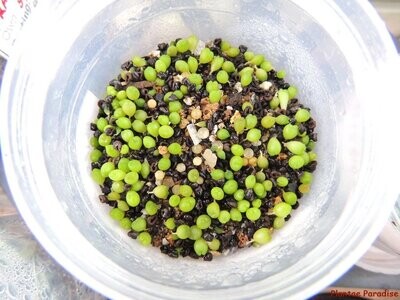
Cactus Seed Planting Mix
Cactus Seed Planting Mix
Sterile, Fine-Grain Media for Cactus & Succulent Seeds
SKU MNS005
₹74.85
Display prices in:INR
