
Categories
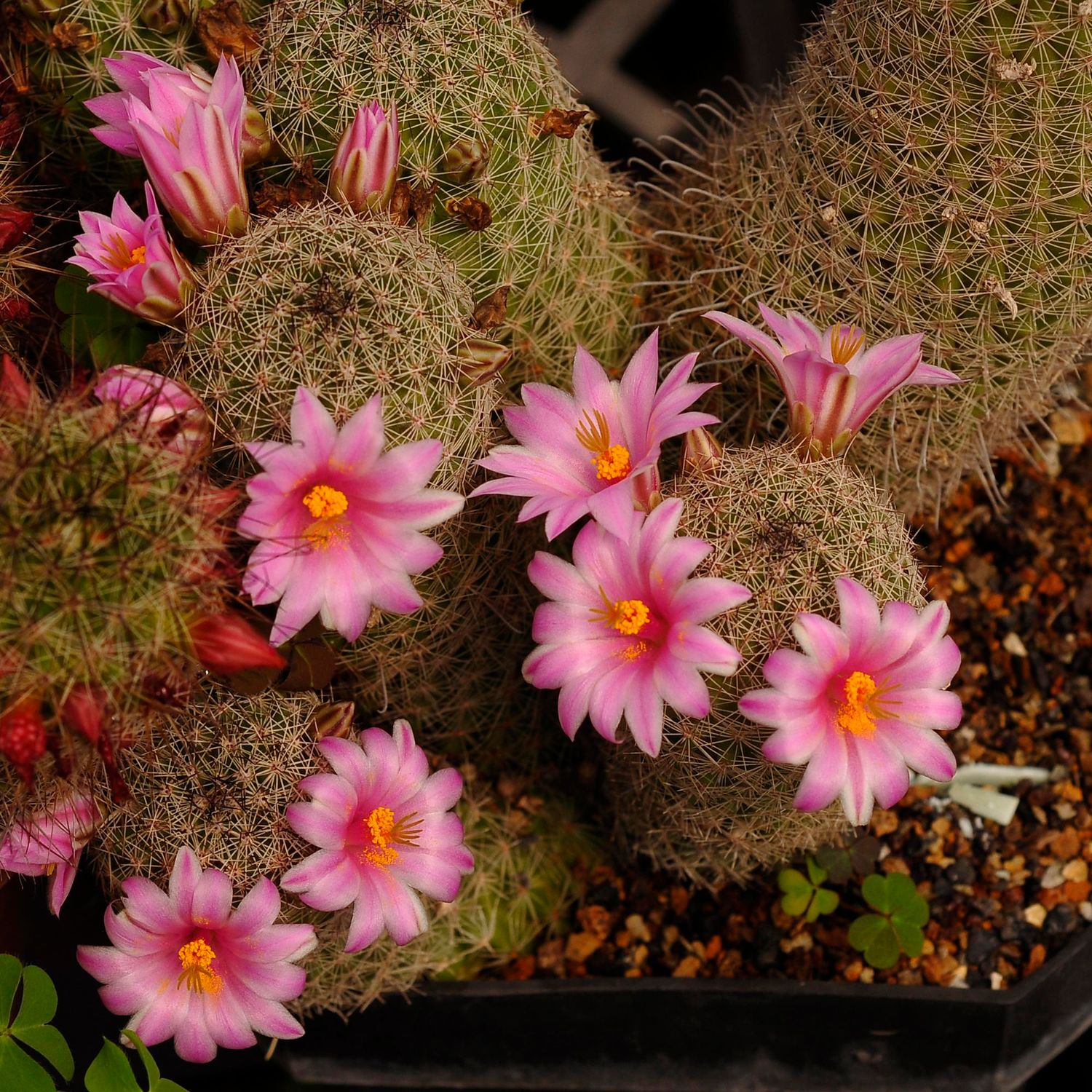
Mammillaria grahamii v. oliviae
SKU MA067
₹525.00
In stock: 1 available
1
Save this product for later
Customer reviews
Reviews only from verified customers
No reviews yet. You can buy this product and be the first to leave a review.
Mammillaria grahamii v. oliviae
Product Details
Mammillaria grahamii var. oliviae - The Elegant White Pincushion of the Sonoran Desert
Bring the timeless beauty of the Southwest into your collection with Mammillaria grahamii var. oliviae. Known for its snowy white appearance and its "crown" of delicate pink flowers, this variety is a sophisticated cousin to the common fishhook cactus. Its tidy, symmetrical growth and striking contrast between white spines and bright red fruit make it an absolute must-have for lovers of desert aesthetics.
1. Origin of Name
The genus name "Mammillaria" comes from the Latin mammilla, meaning "nipple" or "teat," referring to the tubercle structures that characterize this genus instead of continuous ribs. The species name "grahamii" honors Colonel James Duncan Graham, a distinguished officer of the U.S. Corps of Topographical Engineers who surveyed the boundary between the United States and Mexico in the mid-1800s.
The variety name "oliviae" holds a more romantic history; it was named in 1902 by the prolific botanist Charles Russell Orcutt in honor of his wife, Olivia Orcutt. While some taxonomists consider it a synonym of the standard Mammillaria grahamii, collectors prize it as a distinct form because it typically lacks the long, dark hooked spines of the type species, favoring a cleaner, all-white look.
2. Origin of Plant
This cactus is a true native of the Sonoran Desert, found primarily in Arizona (USA) and the state of Sonora (Mexico). It thrives at elevations between 1,000 and 4,500 feet, often found tucked into the crevices of rocky slopes or sheltered under "nurse plants" like Creosote bushes. It was first documented during the boundary surveys of the 1850s, a time when many of the West's most famous botanical treasures were first revealed to the world.
3. Description
Mammillaria grahamii var. oliviae is a small, usually solitary cactus that can occasionally form small clusters. The body is globular to short-cylindrical, reaching about 3–6 inches in height. It is densely covered in 30 to 45 bright white radial spines that lie flat against the body, giving the plant a "frosted" or snowy appearance.
In late spring and summer, it produces a spectacular floral crown. The flowers are large for the plant’s size, featuring pink to lavender petals with white margins. Following the blooms, the plant produces elongated, bright red fruits (often called "chilitos") that are edible and provide a vivid splash of color against the white spines for months.
4. Conservation Status
This variety is currently considered "Least Concern" by the IUCN. It is quite common across its range in Arizona. However, because it is slow-growing, it is protected under Arizona native plant laws to prevent illegal poaching. Our specimens are sustainably nursery-grown, ensuring the protection of wild desert populations.
5. Care
This is one of the most resilient Mammillaria species, perfect for those who want a "set it and forget it" desert gem:
- Light: Loves bright light! To keep the spines white and dense, provide at least 6 hours of direct sunlight.
- Watering: Very drought-tolerant. Use the "soak and dry" method. Only water when the soil is completely dry to the touch. In winter, keep it entirely dry to prevent rot.
- Soil: Requires a very porous, gritty mix. A blend of 60% mineral (pumice, grit, or sand) and 40% organic matter is perfect.
- Temperature: It can handle high heat and is surprisingly cold-hardy (down to about 20°F) if the soil is kept bone-dry.
- Tips: Avoid overhead watering; watering from the base helps keep the white spines clean and free of mineral deposits.
6. Interesting Anecdote
In the regions where these cacti grow, the bright red fruits are often called "Chilitos" because they resemble tiny chili peppers. Native American tribes, including the Pima and Papago (Tohono O'odham), historically gathered these fruits as a sweet snack. They have a flavor similar to a tart strawberry or kiwi. While they are small, seeing a crown of "red peppers" on a snowy white cactus is one of the most charming sights in the botanical world!
Add a touch of Arizona history to your windowsill. Order your Mammillaria grahamii var. oliviae today!
You May Also Like

FORTIFIED Cactus & Succulent SOIL (FINE)
FORTIFIED Cactus & Succulent SOIL (FINE)
SKU MNS002
5.0
(4)
₹49.85

Cactus & Succulent Planting Mix COARSE (aka Cactus Soil Mix or Succulent Soil Mix)
Cactus & Succulent Planting Mix COARSE (aka Cactus Soil Mix or Succulent Soil Mix)
Washed, Free-Draining Mineral Mix for Cactus & Succulents
SKU MNS003
5.0
(1)
₹44.85
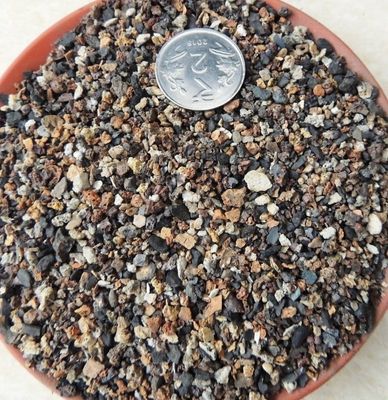
Cactus & Succulent Planting Mix FINE (aka Cactus Soil Mix or Succulent Soil Mix)
Cactus & Succulent Planting Mix FINE (aka Cactus Soil Mix or Succulent Soil Mix)
Fine-Grain Potting Mix for Cactus & Succulent Roots
SKU MNS001
5.0
(3)
₹39.85


Cactus Seed Planting Mix
Cactus Seed Planting Mix
Sterile, Fine-Grain Media for Cactus & Succulent Seeds
SKU MNS005
₹74.85
Display prices in:INR
