
Categories
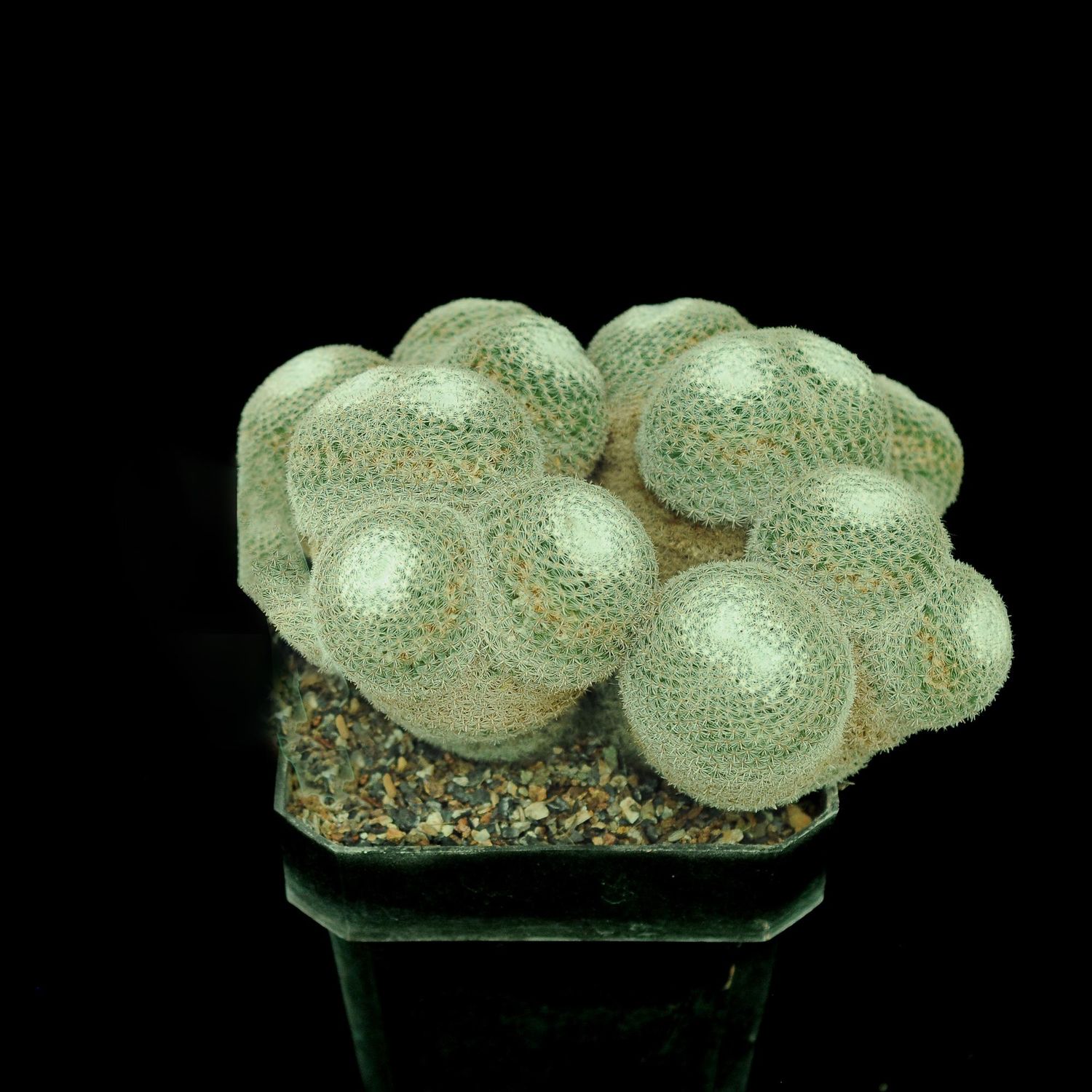
Mammillaria microthele
SKU MA027
₹800.00
Sold out
Sold out
Save this product for later
Customer reviews
Reviews only from verified customers
No reviews yet. You can buy this product and be the first to leave a review.
Mammillaria microthele
Product Details
Origin of Name
Mammillaria wagneriana L 1073, commonly referred to as the Penon Blanco Mammillaria honors the eminent American botanist Warren H. Wagner Jr. (1920–2000).The genus "Mammillaria" is derived from the Latin word "mammilla," meaning nipple or teat, alluding to the tubercles that are a hallmark of these plants. The addition of "L 1073" is a field collection number, used by collectors and botanists to track the specific location and collection event of this plant, in this case, Penon Blanco, which provides additional context regarding its origin.
Technical Description of Plant
Mammillaria wagneriana L 1073 features densely packed, spherical to slightly elongated stems covered in white wool and bristles, giving it a distinctive, frosty appearance. The plant's surface is adorned with spirally arranged tubercles, each tipped with radial spines that are typically white, contrasting beautifully with the occasional central spine that can be darker or reddish in color. During its blooming period, typically in late winter to early spring, it produces rings of small, pink to crimson flowers at the crown, adding a pop of color against its white background. The plant is relatively small, making it a perfect candidate for container gardening or rockeries.
Origin of Plant
Mammillaria wagneriana is native to the arid landscapes of Mexico, where it thrives in limestone-rich soils under the partial shade of scrub vegetation. The specific variant L 1073, labeled Penon Blanco, refers to its collection from the Penon Blanco area, known for its unique geological and botanical characteristics that influence the distinct features of the cacti found there.
Conservation Status
While Mammillaria wagneriana, as a species, is not listed on the IUCN Red List of Threatened Species, habitat destruction and illegal collection pose threats to many cactus species in their native habitats. Efforts to cultivate these plants in gardens and collections can help reduce pressure on wild populations.
Care Instructions
Mammillaria wagneriana L 1073 prefers bright, indirect light or partial shade, mimicking its natural habitat under scrub vegetation. It requires a well-draining soil mix, typical for cacti, to prevent root rot. Water moderately during the growing season, allowing the soil to dry out completely between waterings, and reduce watering in the winter to a minimum. Fertilize with a diluted, low-nitrogen cactus fertilizer during the spring and summer months to support growth and flowering. Protect from frost, as it is not tolerant of freezing temperatures.
Mammillaria wagneriana L 1073 — Penon Blanco is a prized specimen for any cactus enthusiast, offering both visual appeal and the satisfaction of cultivating a rare plant variety. Its care requirements are straightforward, making it accessible to gardeners of all levels interested in expanding their collection with unique and visually striking cacti.
You May Also Like

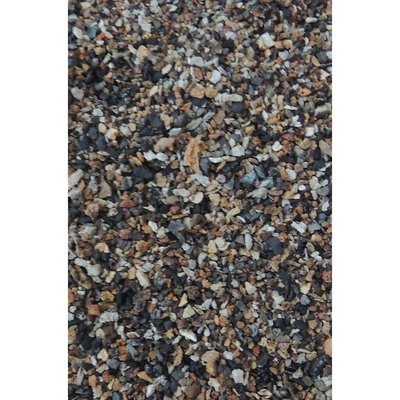
Cactus & Succulent Planting Mix FINE (aka Cactus Soil Mix or Succulent Soil Mix)
Cactus & Succulent Planting Mix FINE (aka Cactus Soil Mix or Succulent Soil Mix)
Fine-Grain Potting Mix for Cactus & Succulent Roots
SKU MNS001
5.0
(3)
₹39.85

FORTIFIED Cactus & Succulent SOIL (COARSE)
FORTIFIED Cactus & Succulent SOIL (COARSE)
SKU MNS004
5.0
(11)
₹54.85
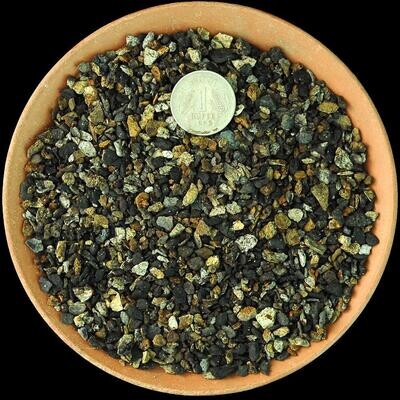
Cactus & Succulent Planting Mix COARSE (aka Cactus Soil Mix or Succulent Soil Mix)
Cactus & Succulent Planting Mix COARSE (aka Cactus Soil Mix or Succulent Soil Mix)
Washed, Free-Draining Mineral Mix for Cactus & Succulents
SKU MNS003
5.0
(1)
₹44.85
New
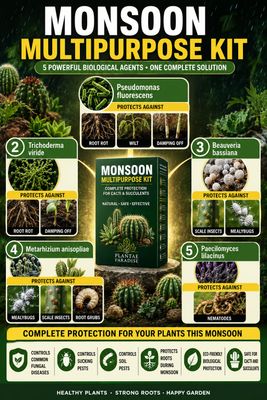
Monsoon Guardian Kit (5 in 1)
Monsoon Guardian Kit (5 in 1)
Complete 5-in-1 biological protection kit for cacti & succulents
SKU MNS024
₹850.00
Display prices in:INR
