
Categories
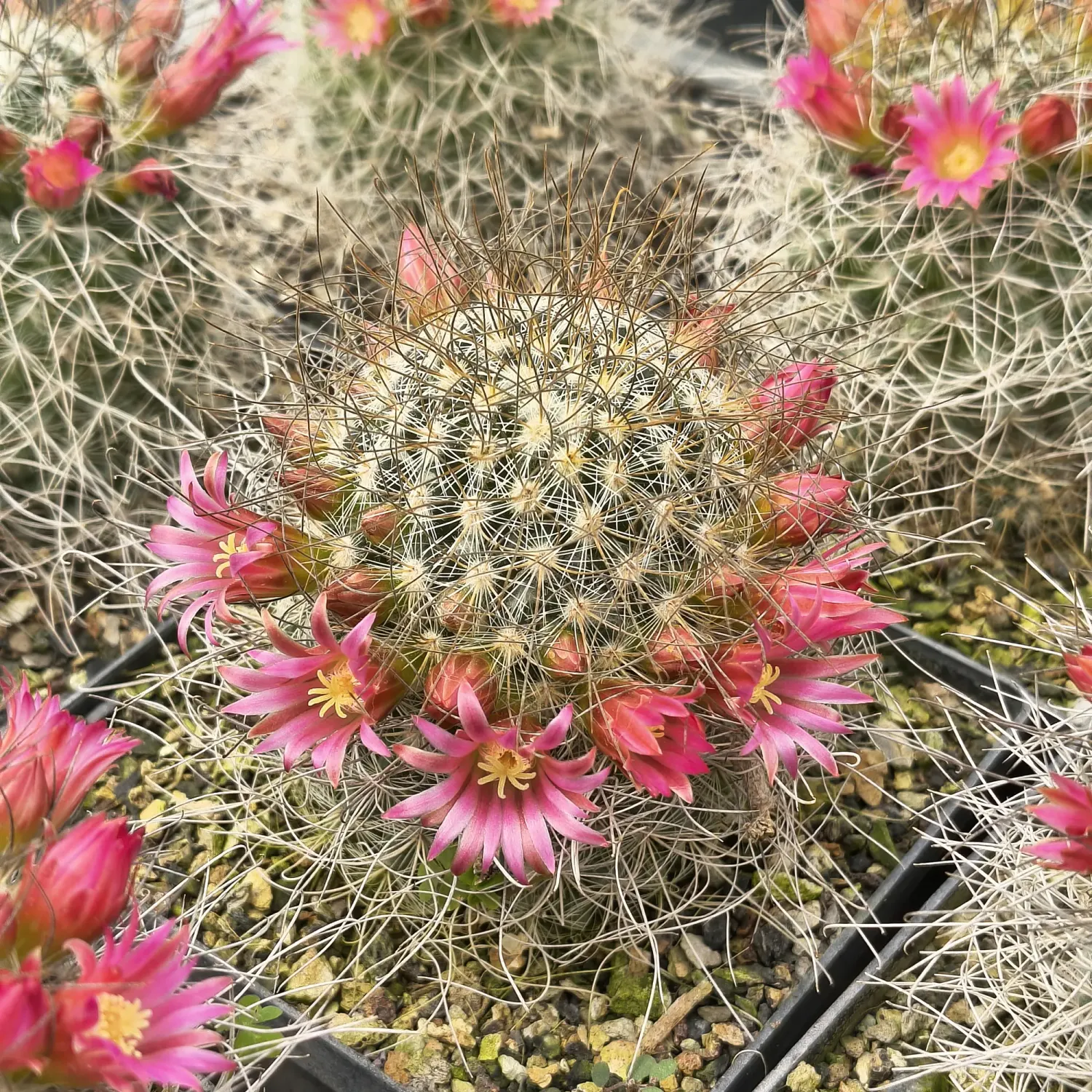
Mammillaria rekoi ssp. leptacantha
SKU MA068
₹430.00
Sold out
Sold out
Save this product for later
Customer reviews
Reviews only from verified customers
No reviews yet. You can buy this product and be the first to leave a review.
Mammillaria rekoi ssp. leptacantha
Product Details
Golden Spined Treasure: Mammillaria rekoi ssp. leptacantha
A high-contrast masterpiece for the serious collector, featuring some of the most intricate radial spine patterns in the Mammillaria genus.
- Origin & History of Name: The species is named after Dr. Blas Pablo Reko, a 20th-century botanist and ethnobiologist who conducted extensive research on Mexican flora. The sub-species name leptacantha is derived from the Greek words leptos (slender) and akantha (spine), specifically referring to the delicate, needle-like nature of its radial spines compared to the more robust type species.
- Morphology: This cactus features a globose to cylindrical dark green epidermis densely obscured by its unique spination. It is characterized by approximately 25–30 fine, white radial spines that create a "starburst" effect around the areoles. Its most striking feature is the central spines—often hooked—which transition from a deep amber to a dark reddish-brown, providing a sharp visual contrast. Small, funnel-form flowers typically appear in a ring near the apex, displaying deep magenta or purple hues.
- Habitat & Origin: This is a wild species native to the arid regions of Oaxaca, Mexico.
It typically grows at higher elevations in deciduous tropical forests and xerophilous scrub. Our specimens are nursery-grown from seed to ensure the conservation of wild populations and to promote sustainable trade within the succulent community. - Cultivation Profile:
- Substrate: Requires a strictly mineral-based mix. Use a ratio of 70% inorganic material (pumice, perlite, or crushed brick) to 30% organic matter. In the Indian subcontinent, ensure the mix is gritty enough to prevent compaction during high-humidity months.
- Light: Thrives in bright, indirect sunlight. In Indian summers, provide 50% shade cloth protection between 12:00 PM and 4:00 PM to prevent epidermal scorching.
- Water/Dormancy: Follow a "soak and dry" method. Water thoroughly when the substrate is completely bone-dry. During the monsoon, withhold water entirely if humidity is above 80%. Observe a dry winter dormancy from November to February to encourage spring blooming.
- Scientific/Historical Anecdote: Members of the Mammillaria genus were among the first cacti brought back to Europe in the mid-1700s. The genus name itself, coined by Adrian Haworth in 1812, comes from the Latin mammilla (nipple), referring to the characteristic tubercles (the small, bump-like structures) that replace the continuous ribs found on many other cactus species.
You May Also Like
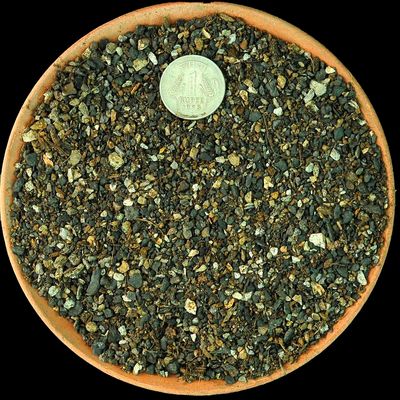
FORTIFIED Cactus & Succulent SOIL (FINE)
FORTIFIED Cactus & Succulent SOIL (FINE)
SKU MNS002
5.0
(4)
₹49.85

FORTIFIED Cactus & Succulent SOIL (COARSE)
FORTIFIED Cactus & Succulent SOIL (COARSE)
SKU MNS004
5.0
(11)
₹54.85
New


Monsoon Guardian Kit (5 in 1)
Monsoon Guardian Kit (5 in 1)
Complete 5-in-1 biological protection kit for cacti & succulents
SKU MNS024
₹850.00


Cactus Seed Planting Mix
Cactus Seed Planting Mix
Sterile, Fine-Grain Media for Cactus & Succulent Seeds
SKU MNS005
₹74.85
Display prices in:INR
