
Categories
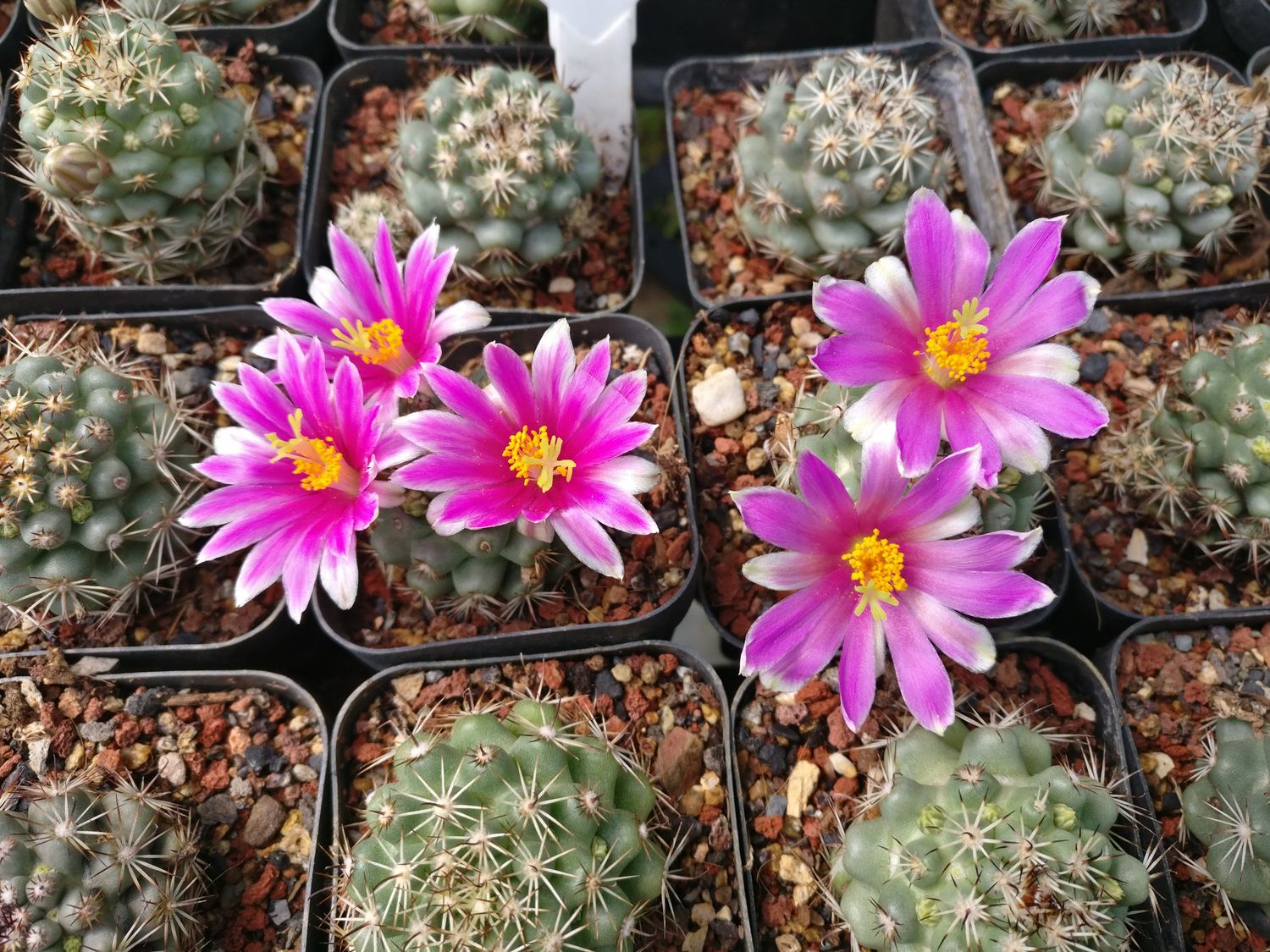
Mammillaria schumannii
SKU MA042
₹650.00
Sold out
Sold out
Save this product for later
Customer reviews
Reviews only from verified customers
No reviews yet. You can buy this product and be the first to leave a review.
Mammillaria schumannii
Product Details
Baja Beauty: Mammillaria schumannii
A prized collector’s gem celebrated for its unusually large, vibrant blooms and compact, clustering habit.
- Origin & History of Name: The genus name Mammillaria is derived from the Latin mammilla, meaning "nipple" or "teat," referring to the plant’s characteristic tubercles. This specific species was named in 1891 by German botanist Georg Ehrenberg to honor Karl Moritz Schumann, a prolific botanist and taxonomist who served as the curator of the Botanical Museum in Berlin and was a leading authority on Cactaceae during the late 19th century.
- Morphology: This globose cactus features a soft, glaucous-green epidermis organized into prominent, rounded tubercles rather than continuous costae (ribs). Each areole is topped with short, radial spines and a distinctively hooked central spine. Unlike many members of its genus that produce tiny flowers, M. schumannii is unique for its exceptionally large, funnel-shaped rose-pink flowers that can nearly obscure the plant body during anthesis.
- Habitat & Origin: This is a wild species endemic to a very small region in the southern Cape of Baja California, Mexico. It typically grows at low altitudes in rocky, arid environments. Our specimens are nursery-propagated via seed to ensure the conservation of wild populations and to prevent illegal poaching from its restricted natural habitat.
- Cultivation Profile:
- Substrate: Use a strictly mineral-based mix (60% grit/pumice, 40% coarse sand/perlite) with minimal organic matter to prevent root rot in humid Indian climates.
- Light: Requires bright, filtered sunlight. In India, provide 40-50% shade during peak summer afternoons to prevent epidermis scorching, especially in the Deccan Plateau or Northern plains.
- Water/Dormancy: Water thoroughly only when the substrate is bone-dry. During the monsoon, keep the plant strictly dry to avoid fungal issues. Maintain a dry dormancy from November to February to trigger spring flowering.
- Scientific/Historical Anecdote: For a time, this species was moved out of Mammillaria and placed into its own genus, Bartschella, because its seed pods behave differently—they undergo "circumscissile" dehiscence, meaning the fruit opens by a circular horizontal line, dropping its top like a lid. Most other Mammillarias keep their fruit intact until they wither or are eaten.
You May Also Like
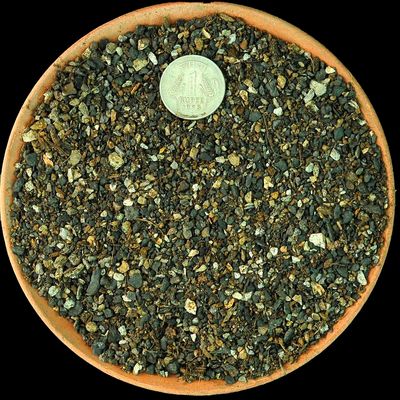
FORTIFIED Cactus & Succulent SOIL (FINE)
FORTIFIED Cactus & Succulent SOIL (FINE)
SKU MNS002
5.0
(4)
₹49.85
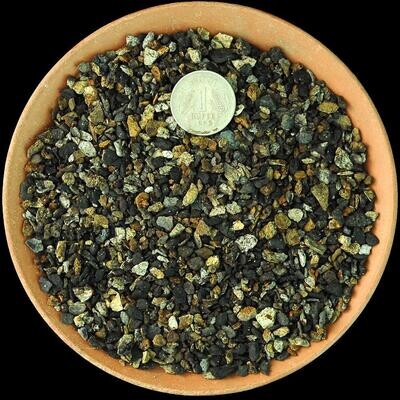
Cactus & Succulent Planting Mix COARSE (aka Cactus Soil Mix or Succulent Soil Mix)
Cactus & Succulent Planting Mix COARSE (aka Cactus Soil Mix or Succulent Soil Mix)
Washed, Free-Draining Mineral Mix for Cactus & Succulents
SKU MNS003
5.0
(1)
₹44.85

Cactus & Succulent Planting Mix FINE (aka Cactus Soil Mix or Succulent Soil Mix)
Cactus & Succulent Planting Mix FINE (aka Cactus Soil Mix or Succulent Soil Mix)
Fine-Grain Potting Mix for Cactus & Succulent Roots
SKU MNS001
5.0
(3)
₹39.85
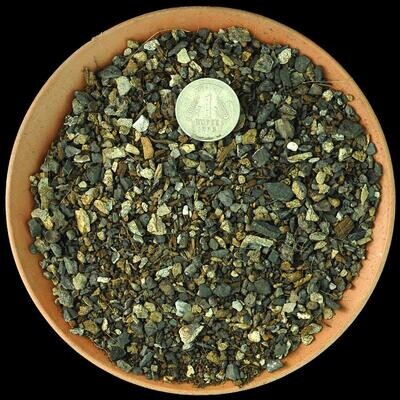
FORTIFIED Cactus & Succulent SOIL (COARSE)
FORTIFIED Cactus & Succulent SOIL (COARSE)
SKU MNS004
5.0
(11)
₹54.85
Display prices in:INR
