
Categories
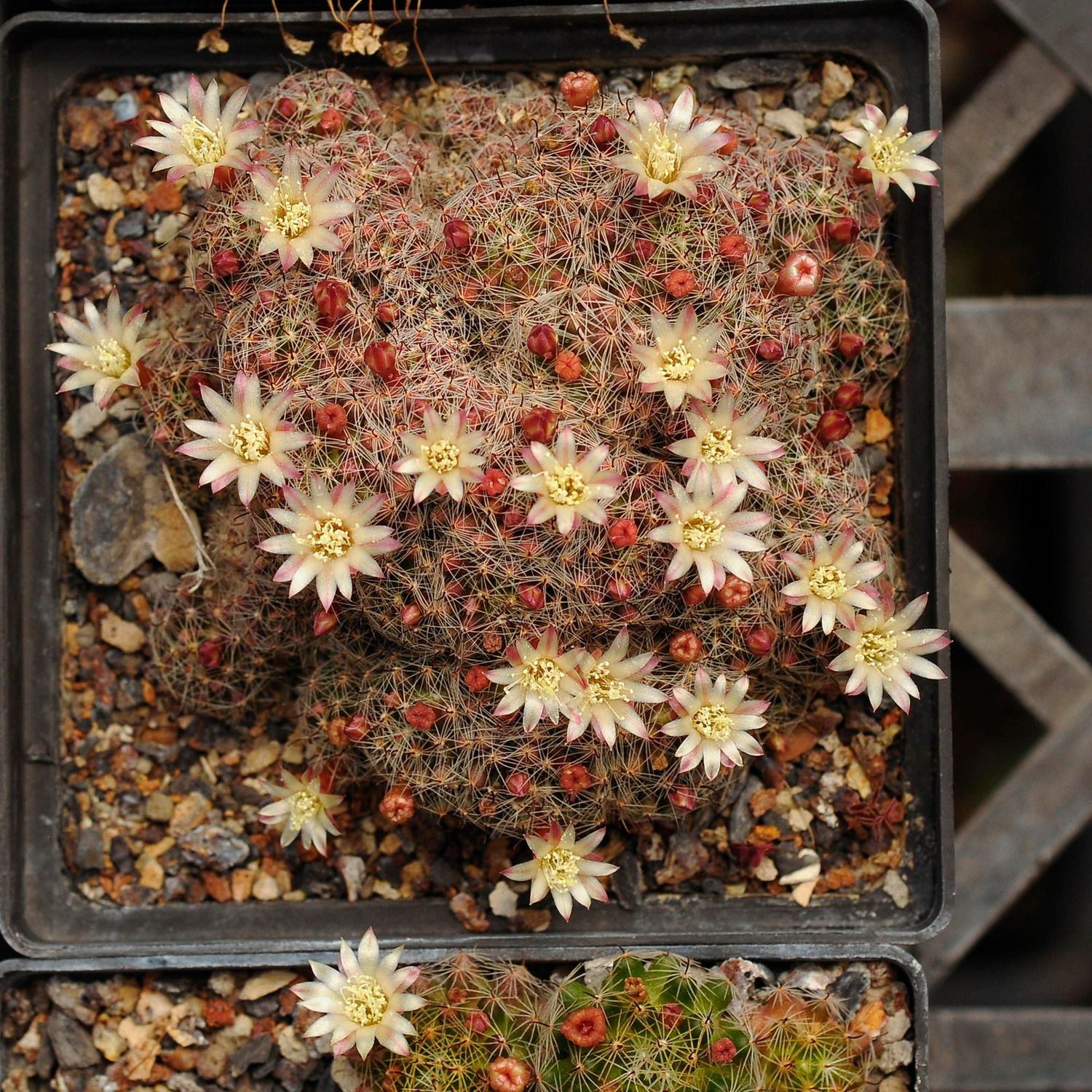
Mammillaria tezontle
SKU MA053
₹450.00
Sold out
Sold out
Save this product for later
Customer reviews
Reviews only from verified customers
No reviews yet. You can buy this product and be the first to leave a review.
Mammillaria tezontle
Product Details
Micro-Gems of the Sierra: Mammillaria tezontle
A miniaturized marvel of the cactus world, this elusive species is a prized centerpiece for any specialist rock-garden or nano-collection.
- Origin & History of Name: The genus name Mammillaria is derived from the Latin mammilla (nipple or teat), referring to the characteristic tubercle-covered body.
The specific epithet tezontle refers to the volcanic rock common in Mexico; the plant was so named because it was discovered growing exclusively on outcrops of this porous, reddish scoria. It was formally described relatively recently in the late 20th century, cementing its status as a modern specialty. - Morphology: This is a globose, miniature cactus that rarely exceeds 1-2 cm in diameter.
Its epidermis is obscured by dense, radiating radial spines that form a star-like pattern over each tubercle. Unlike many cacti, it lacks traditional costae (ribs), instead utilizing these spirally arranged tubercles to dissipate heat. In spring, it produces disproportionately large, funnel-shaped yellow flowers from the axils between the tubercles. - Habitat & Origin: Mammillaria tezontle is a wild species with an extremely restricted endemic range in the state of San Luis Potosí, Mexico.
It grows specifically on volcanic slopes. Due to its limited natural range, all commercially available specimens should be sourced from nursery-propagated seeds or offsets to ensure the sustainability of wild populations and adherence to CITES guidelines. - Cultivation Profile:
- Substrate: Requires an ultra-porous, mineral-based mix. Use a composition of 80% volcanic rock (pumice or crushed brick) and 20% organic grit. It is highly sensitive to organic soil breakdown.
- Light: Thrives in bright, indirect light or filtered morning sun. In the Indian subcontinent, protection from the harsh midday summer sun is vital to prevent scorching the delicate epidermis.
- Water/Dormancy: Extremely low water requirement. Water only when the substrate is completely bone-dry during the growing season. In the Indian monsoon, maintain high ventilation to avoid fungal issues; during winter, enforce strict dormancy with zero water to prevent etiolation.
- Scientific/Historical Anecdote: Mammillaria tezontle is part of the M. humboldtii series, a group of cacti known for their extreme dwarfism. For years, it was considered a myth among collectors due to its tiny size and perfect camouflage against volcanic stone. It wasn't until 1995 that it was formally recognized as a distinct species, proving that even in the modern era, significant botanical discoveries are hidden in plain sight.
You May Also Like
New
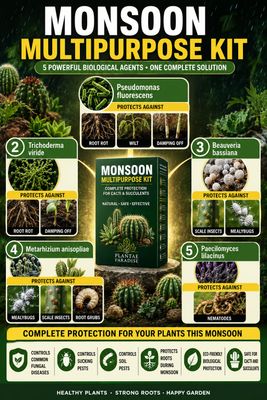
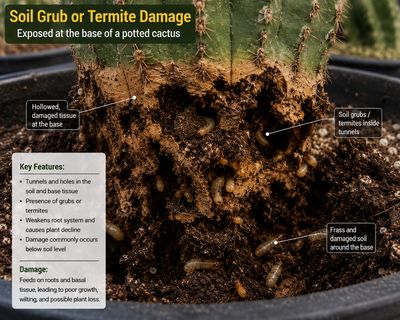
Monsoon Guardian Kit (5 in 1)
Monsoon Guardian Kit (5 in 1)
Complete 5-in-1 biological protection kit for cacti & succulents
SKU MNS024
₹850.00
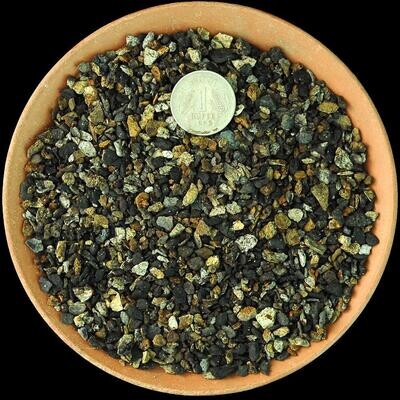
Cactus & Succulent Planting Mix COARSE (aka Cactus Soil Mix or Succulent Soil Mix)
Cactus & Succulent Planting Mix COARSE (aka Cactus Soil Mix or Succulent Soil Mix)
Washed, Free-Draining Mineral Mix for Cactus & Succulents
SKU MNS003
5.0
(1)
₹44.85

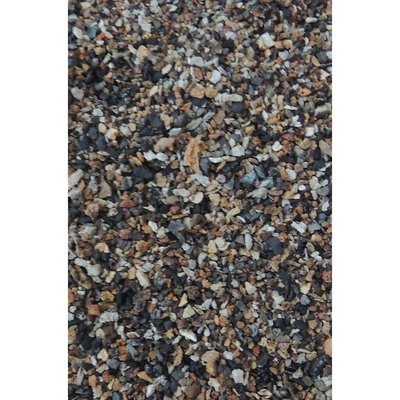
Cactus & Succulent Planting Mix FINE (aka Cactus Soil Mix or Succulent Soil Mix)
Cactus & Succulent Planting Mix FINE (aka Cactus Soil Mix or Succulent Soil Mix)
Fine-Grain Potting Mix for Cactus & Succulent Roots
SKU MNS001
5.0
(3)
₹39.85


Cactus Seed Planting Mix
Cactus Seed Planting Mix
Sterile, Fine-Grain Media for Cactus & Succulent Seeds
SKU MNS005
₹74.85
Display prices in:INR
