
Categories
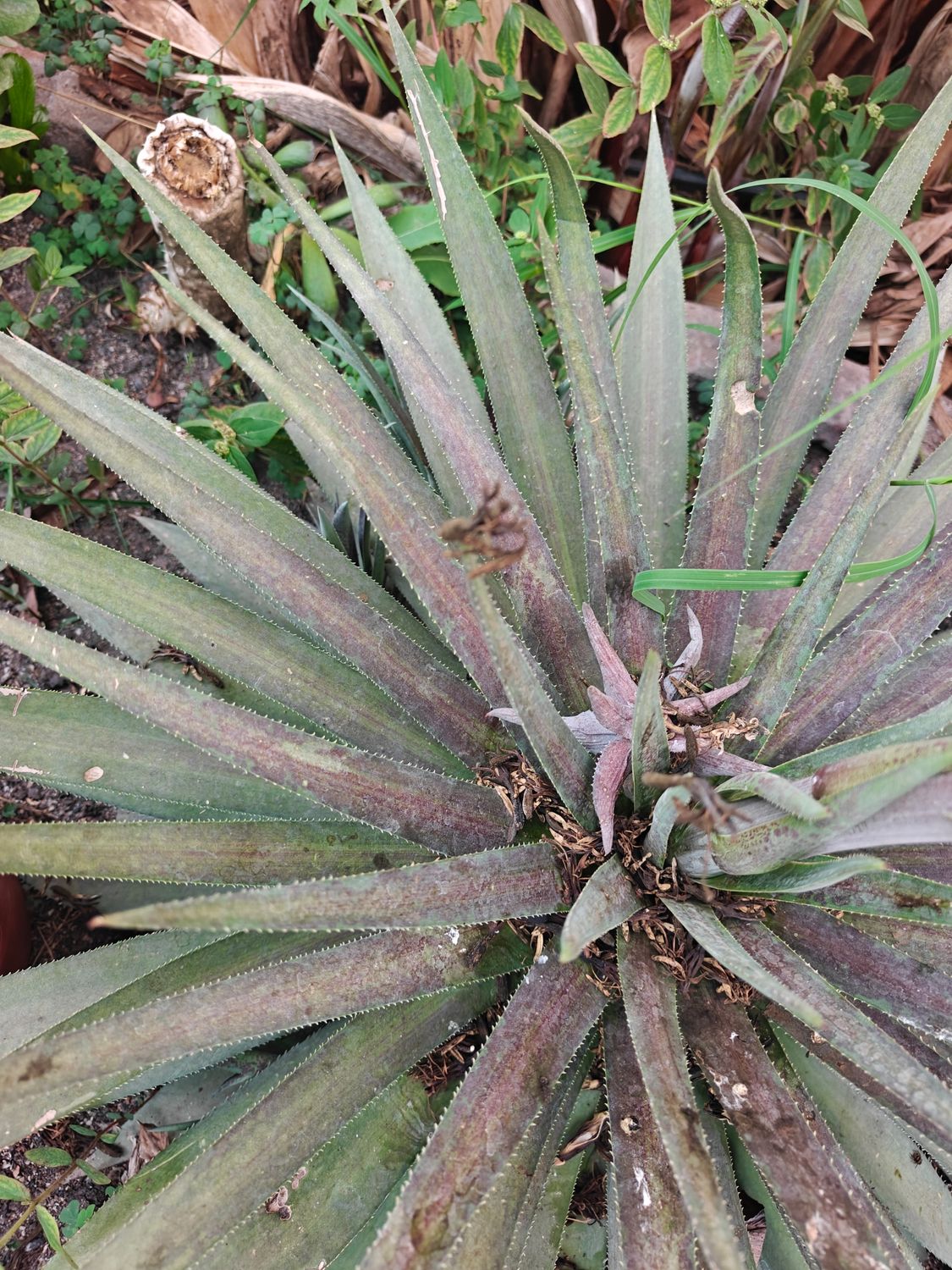
Mangave Red Wing
SKU MG002
₹1 850.00
In stock: 1 available
1
Save this product for later
Customer reviews
Reviews only from verified customers
No reviews yet. You can buy this product and be the first to leave a review.
Mangave Red Wing
Product Details
× Mangave 'Red Wing'
A blazing hybrid where agave meets manfreda — deep wine-red, gently curved foliage that looks hand-painted, with none of the bite.
Part sculpture, part firework, × Mangave 'Red Wing' is one of the most striking mangaves ever released — a broad, symmetrical rosette of gently arching leaves that deepen from mottled maroon to near-solid burgundy-red the more sun they drink in. It's a plant that stops visitors mid-sentence, and one that rewards the grower with genuinely easy care in exchange for its runway looks.
Origin of Name
The name × Mangave signals exactly what this plant is: a bigeneric hybrid, its "×" the botanical shorthand for a cross between two genera — in this case Manfreda and Agave, mashed together into the portmanteau "Mangave." The nothogenus name itself was only formalized in 2005, coined by nurserymen Tony Avent (Plant Delights Nursery), Carl Schoenfeld, and Wade Roitsch (Yucca Do Nursery) after they noticed unexpected hybrid seedlings turning up where wild-collected Manfreda seed from northern Mexico had grown beside Agave mitis at their Texas nursery.
'Red Wing' itself is a named cultivar patented as US Plant Patent PP31,459, bred by hybridizer Hans A. Hansen at a wholesale perennial nursery in Zeeland, Michigan (now part of Walters Gardens' celebrated Mad About Mangave® breeding program). Hansen made the deliberate cross on September 17, 2012, using an unnamed selection of Manfreda longiflora as the seed (female) parent and an unnamed selection of Agave shawii as the pollen (male) parent; the resulting seed was harvested and sown in early 2013. Out of that cross, this seedling was selected and named for the deep, wing-like sweep of its glowing red leaves — a nod to both its color and the way the foliage arches outward like feathers caught mid-flight.
Origin of Plant
'Red Wing' is a garden-bred hybrid, but its parent species both come from real, wild places on either side of the Gulf of Mexico. Agave shawii, the pollen parent, is a coastal agave native to the bluffs and scrublands of southern California and Baja California, Mexico — a striking, broad-rosetted species that has become increasingly rare on the California side of the border due to coastal development, and is treated there as a plant of conservation concern. Manfreda longiflora (also known as Runyon's huaco or longflower tuberose), the seed parent, hails from the thorn-scrub and limestone country of deep South Texas and adjacent northeastern Mexico, where it grows as a low, soft-leaved succulent perennial prized for its fragrant, tubular flowers.
Hansen's cross brought these two distant relatives together under cultivation in Michigan, blending the refined, symmetrical rosette form of Agave with the fast growth, patterning, and softer texture inherited from Manfreda — a combination that simply doesn't occur in nature, born instead from a deliberate, hand-pollinated breeding program.
Description
'Red Wing' forms a large, elegantly refined rosette of broad, fleshy, mostly flat leaves — around 120 lance-shaped leaves per mature plant — that curve gracefully outward and slightly downward, giving the whole plant a relaxed, wing-swept silhouette. New growth emerges glaucous green with reddish-purple mottling; with strong light, the coloration intensifies into a deep, almost solid wine-red to violet-red across the whole leaf, with the mottled pattern still visible as darker speckling beneath. Leaf margins carry small, soft, cream-colored teeth that firm up and turn orange-brown as the plant matures — decorative rather than dangerous, a welcome departure from the fierce terminal spines of many true agaves.
At maturity, expect a substantial specimen roughly 16–18 inches tall and 24–26 inches (up to about 3 feet) across, with a slow-to-moderate growth rate — faster than a pure agave, slower than a typical Manfreda. Established plants can send up a tall, branched flowering stalk in late fall or winter, carrying around 110 upright, chartreuse-yellow and reddish-orange tubular flowers, each lasting just three to four days but collectively putting on a striking, hummingbird-friendly display.
Conservation Status
× Mangave 'Red Wing' itself, as a patented cultivar bred in nursery production, has no wild population and no conservation listing — it exists only in cultivation. Its parent species tell a more mixed story: Agave shawii is common across much of its Baja California range in Mexico but has become genuinely rare and is considered a species of special concern where it persists in coastal Southern California, squeezed out by urban development. Manfreda longiflora is not currently listed as threatened but has a naturally restricted range confined to South Texas and northeastern Mexico, making garden and collector cultivation of its hybrid offspring like 'Red Wing' a pleasant, low-impact way to enjoy its genetics without touching wild populations at all.
Care
Light: Give 'Red Wing' as much bright light as you can — full sun to lightly filtered sun outdoors, or the brightest spot available indoors. Strong light is what pushes the leaves into their richest red and violet tones; in lower light the plant stays more green with red spotting.
Water: Drought-tolerant once established, and more forgiving of regular water than a pure agave thanks to its Manfreda parentage. Water thoroughly, then let the soil dry out substantially before watering again. Reduce watering significantly in winter and keep the plant nearly dry when temperatures are cool.
Soil: Use a gritty, fast-draining succulent or cactus mix. Good drainage is non-negotiable — soggy roots are the most common cause of trouble with mangaves.
Temperature: Hardy outdoors in USDA zones 9–11; treat as a tender perennial anywhere colder. Protect from temperatures below roughly 60°F for best appearance, and bring container specimens indoors or under cover well before frost. A bright window or supplemental grow light helps it hold color through winter indoors.
General care: Feed lightly during the active growing season with a balanced, diluted fertilizer. Remove any spent lower leaves as they naturally brown and dry. Repot only when the plant has clearly outgrown its container, using a shallow, wide pot that suits its spreading habit. It's naturally deer- and rabbit-resistant, largely pest-free, and — unlike many of its agave cousins — is monocarpic in a gentler way, offsetting freely from the base so the mother rosette's eventual bloom is rarely the end of the plant in your collection.
An Interesting Note
Mangaves as a whole owe their existence to a happy accident: the very first hybrids were never intentionally bred at all. They turned up as stray, unexpected seedlings when wild-collected Manfreda seed, gathered in northern Mexico, happened to germinate next to a flowering Agave mitis at Yucca Do Nursery in Texas — bees and other pollinators did the rest. Only two seedlings from that entire batch turned out to be true hybrids, but they were striking enough that plantsmen Tony Avent, Carl Schoenfeld, and Wade Roitsch gave the cross its own name in 2005. 'Red Wing,' bred seven years later by Hans Hansen, represents just how far that chance discovery has come — from a couple of unplanned seedlings in Texas to a deliberately engineered, patented showpiece bred rosette by rosette in a Michigan nursery, now grown by collectors worldwide for its almost unbelievable color.
You May Also Like

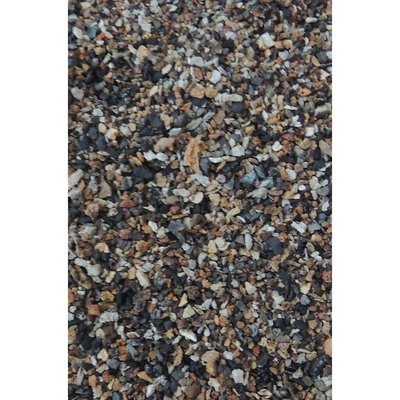
Cactus & Succulent Planting Mix FINE (aka Cactus Soil Mix or Succulent Soil Mix)
Cactus & Succulent Planting Mix FINE (aka Cactus Soil Mix or Succulent Soil Mix)
Fine-Grain Potting Mix for Cactus & Succulent Roots
SKU MNS001
5.0
(3)
₹39.85
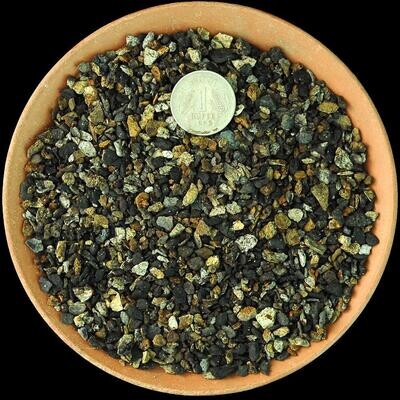
Cactus & Succulent Planting Mix COARSE (aka Cactus Soil Mix or Succulent Soil Mix)
Cactus & Succulent Planting Mix COARSE (aka Cactus Soil Mix or Succulent Soil Mix)
Washed, Free-Draining Mineral Mix for Cactus & Succulents
SKU MNS003
5.0
(1)
₹44.85
New
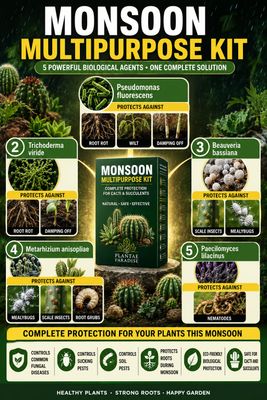
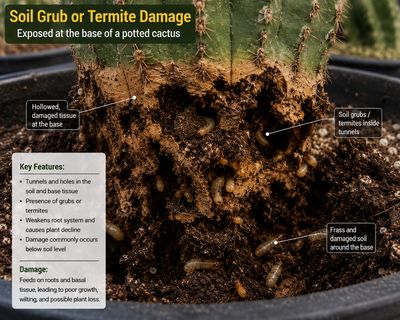
Monsoon Guardian Kit (5 in 1)
Monsoon Guardian Kit (5 in 1)
Complete 5-in-1 biological protection kit for cacti & succulents
SKU MNS024
₹850.00
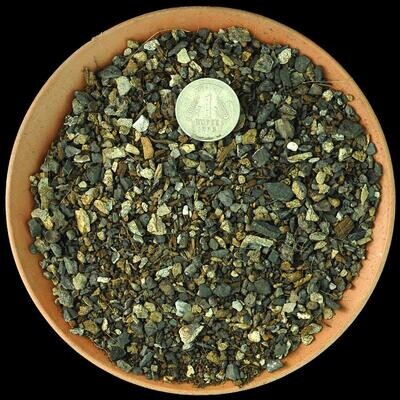
FORTIFIED Cactus & Succulent SOIL (COARSE)
FORTIFIED Cactus & Succulent SOIL (COARSE)
SKU MNS004
5.0
(12)
₹54.85
Display prices in:INR
