
Categories
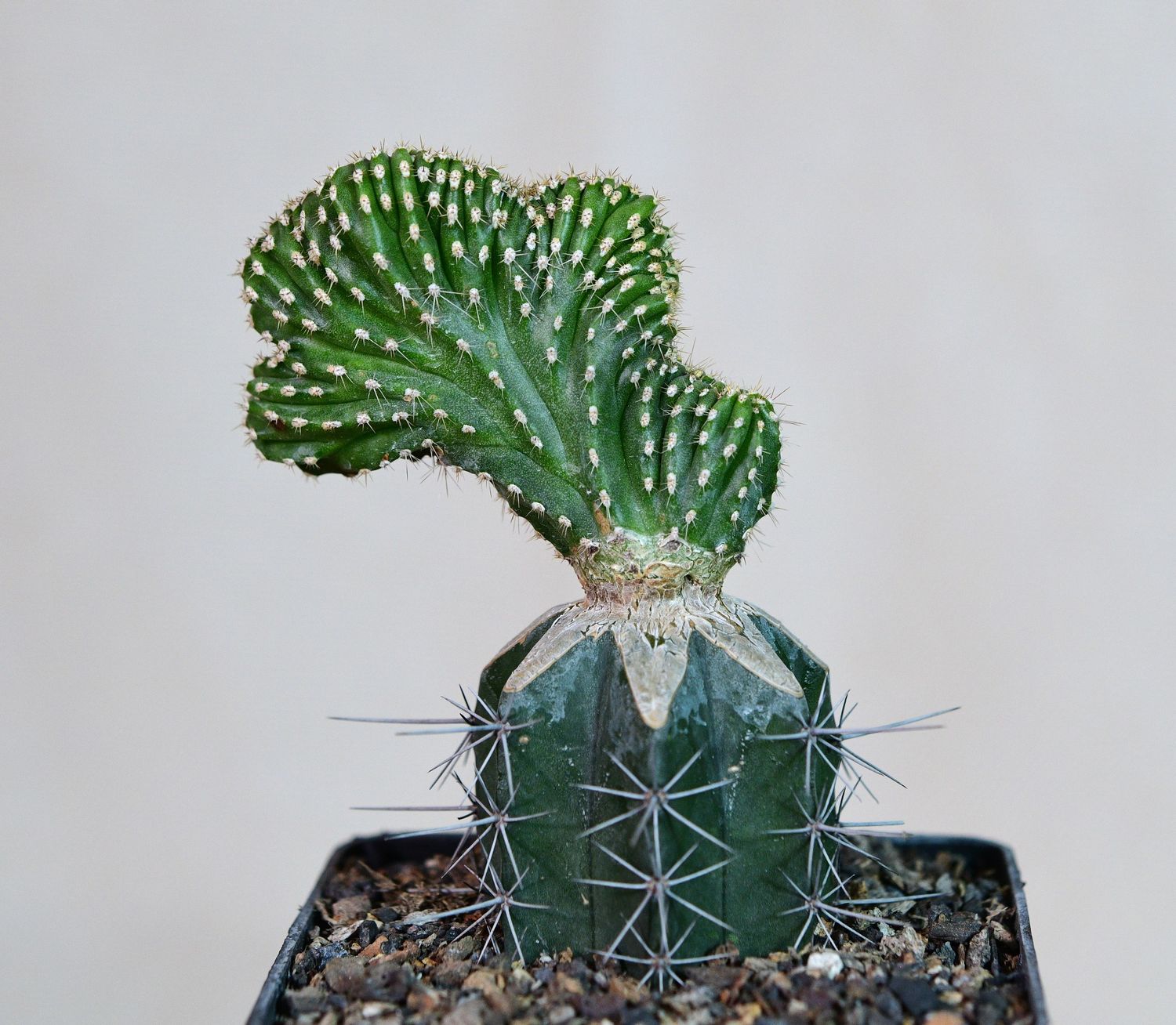
Marginatocereus marginatus Crest
SKU CE029
₹950.00
In stock: 1 available
1
Save this product for later
Customer reviews
Reviews only from verified customers
No reviews yet. You can buy this product and be the first to leave a review.
Marginatocereus marginatus Crest
Product Details
Architectural Oddity: Marginatocereus marginatus cristata
Bring a living, sculptural masterpiece into your collection with this rare, undulating crested form of the Mexican Fence Post cactus.
1. Origin & History of Name
The genus name Marginatocereus is derived from the Latin marginatus (bordered), referring to the distinct white margins of the areoles, and cereus (wax candle), describing its columnar growth.
2. Morphology
This specimen displays a striking fasciation, where the central stem expands into a wavy, brain-like fold. The epidermis is a matte, deep forest green, contrasted by a continuous "seam" of white, felt-like areoles that follow the crest's ridge.
3. Habitat & Origin
While the standard Marginatocereus marginatus is a wild species native to Central Mexico (Hidalgo, Querétaro, and Guanajuato), the cristata form is a rare cultivar propagated through grafting or cuttings.
4. Cultivation Profile
- Substrate: Use a strictly mineral-based mix (60% coarse grit, pumice, or perlite and 40% organic matter). In the Indian climate, adding crushed brick or cinder helps prevent root rot during high humidity.
- Light: Thrives in bright, indirect sunlight. In the Indian subcontinent, protect from harsh afternoon sun (12 PM – 4 PM) to prevent "sunscald" on the epidermis, especially during peak summer.
- Water/Dormancy: Follow a "soak and dry" method. Water thoroughly when the substrate is bone-dry. During the monsoon and winter, significantly reduce watering to avoid fungal issues; the plant enters a semi-dormant state when temperatures drop.
5. Scientific/Historical Anecdote
In its native Mexico, the straight-growing form of this cactus is so uniform and vertical that it has been used for centuries as a "living fence" to demarcate property lines. The crested mutation, however, was historically prized by early 20th-century European collectors as a "monstrosity," often fetching exorbitant prices because it was believed—incorrectly at the time—to be a different species entirely rather than a spontaneous cellular mutation.
You May Also Like
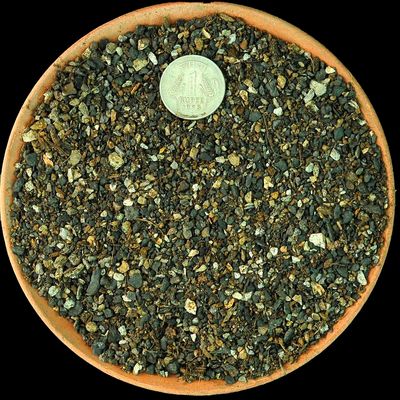
FORTIFIED Cactus & Succulent SOIL (FINE)
FORTIFIED Cactus & Succulent SOIL (FINE)
SKU MNS002
5.0
(4)
₹49.85
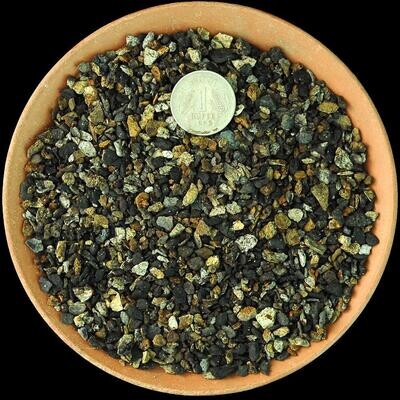
Cactus & Succulent Planting Mix COARSE (aka Cactus Soil Mix or Succulent Soil Mix)
Cactus & Succulent Planting Mix COARSE (aka Cactus Soil Mix or Succulent Soil Mix)
Washed, Free-Draining Mineral Mix for Cactus & Succulents
SKU MNS003
5.0
(1)
₹44.85
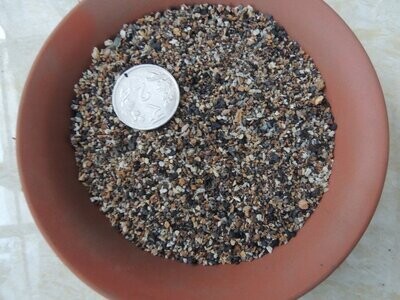
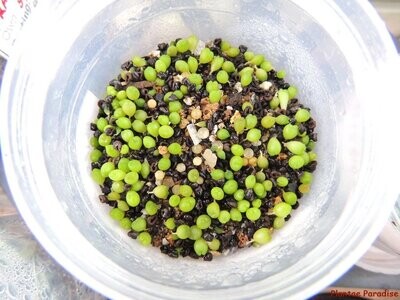
Cactus Seed Planting Mix
Cactus Seed Planting Mix
Sterile, Fine-Grain Media for Cactus & Succulent Seeds
SKU MNS005
₹74.85
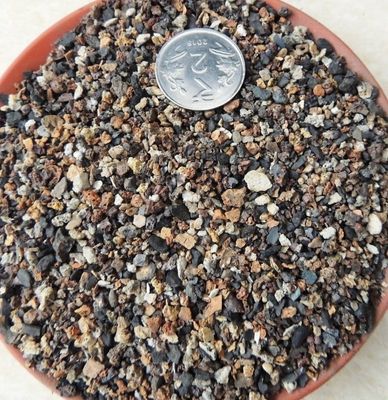
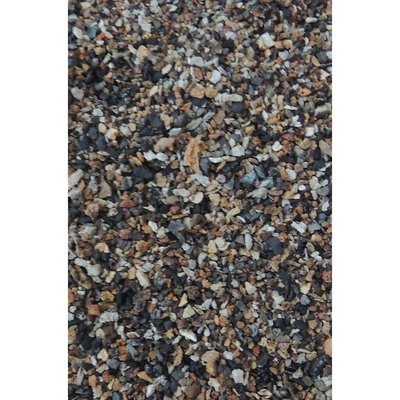
Cactus & Succulent Planting Mix FINE (aka Cactus Soil Mix or Succulent Soil Mix)
Cactus & Succulent Planting Mix FINE (aka Cactus Soil Mix or Succulent Soil Mix)
Fine-Grain Potting Mix for Cactus & Succulent Roots
SKU MNS001
5.0
(3)
₹39.85
Display prices in:INR
