
Categories
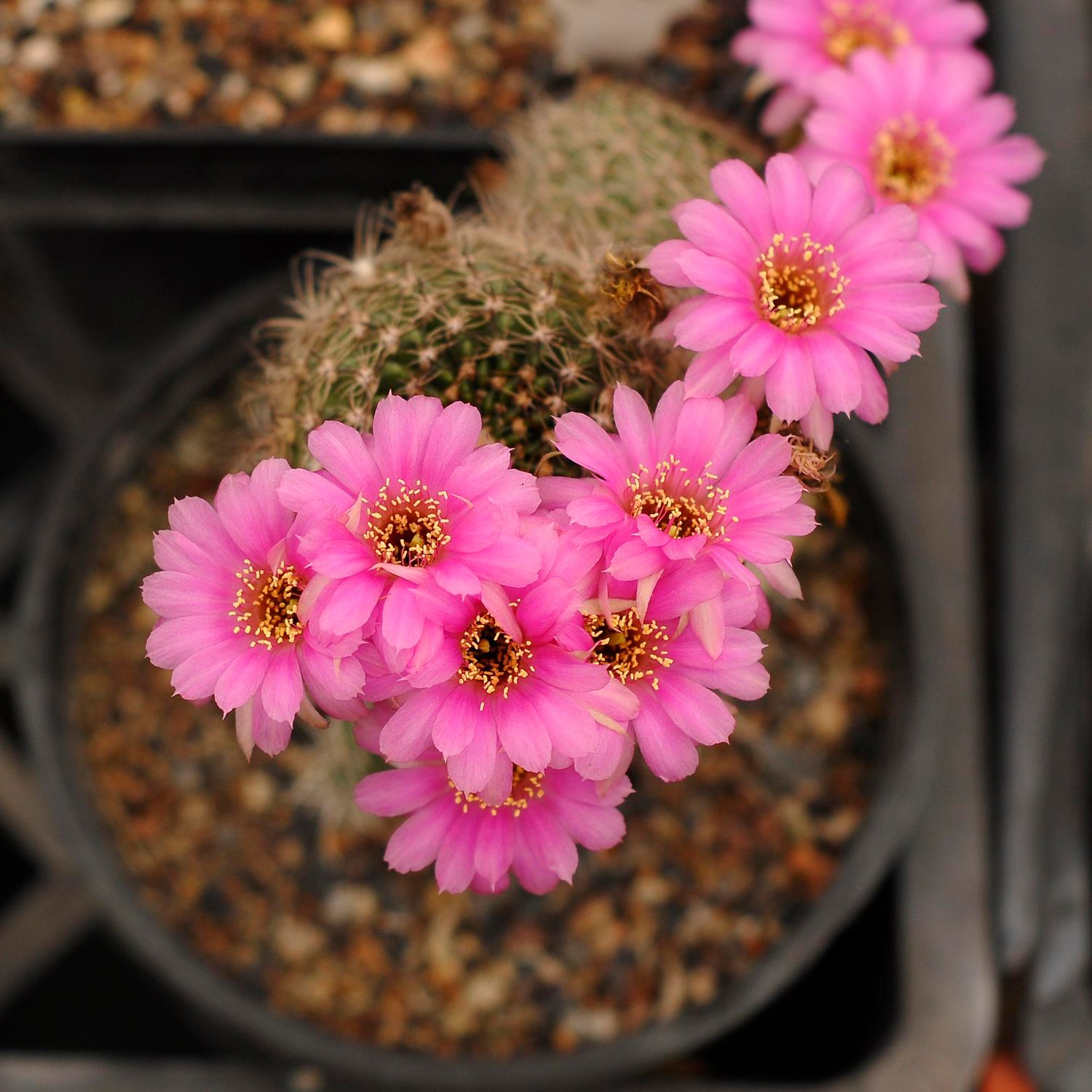
Matucana Intertexta ( Cajamarca)
SKU MT005
₹670.00
Price Drop
List Price ₹950.00 Save 29%
In stock: 1 available
1
Save this product for later
Customer reviews
Reviews only from verified customers
No reviews yet. You can buy this product and be the first to leave a review.
Matucana Intertexta ( Cajamarca)
Product Details
Grafted. Pic with flowers is the mother plant from which pups have been grafted.
Origin of Name
Matucana intertexta is named after its genus, Matucana, which is derived from the name of the town of Matucana in the Andes mountains of Peru where many cactus species are found. The specific epithet, intertexta, refers to the way the spines on the cactus overlap each other, creating a woven or interlaced appearance.
Technical Description of Plant
Matucana intertexta is characterized by its globular to short cylindrical shape, which can grow singularly or in clusters with age. The surface of the plant is adorned with prominent ribs, from which emerge dense, interlocking spines that provide a protective covering. The spines are typically red to brown, adding to the plant's decorative appeal. One of the most notable features of Matucana intertexta is its bright, funnel-shaped flowers, which range in color from deep pink to red/ orange, blooming from the crown of the plant during the summer months. These flowers not only add a splash of color but also attract pollinators, contributing to the plant's reproductive cycle.
Origin of Plant
Matucana intertexta is native to the highlands of Peru, thriving in rocky crevices and slopes at elevations where conditions are harsh and water is scarce. This challenging environment has shaped the plant's adaptations, including its compact form, dense spination, and vibrant flowers, which stand out against the barren landscapes.
Conservation Status
While specific information on the conservation status of Matucana intertexta may not be widely available, many cacti face threats from habitat destruction, climate change, and overcollection. Efforts to conserve Matucana species involve habitat protection, regulated collection, and propagation in cultivation to ensure their survival without depleting wild populations.
Care Instructions
Matucana intertexta requires well-draining soil and a sunny position to thrive, mimicking its natural habitat conditions. Water moderately during the growing season, allowing the soil to dry completely between waterings, and reduce watering significantly during the dormant winter period to prevent root rot. This species is sensitive to frost and should be protected from cold temperatures. Fertilize sparingly with a cactus-specific fertilizer during the active growing season to support healthy growth and flowering.
You May Also Like

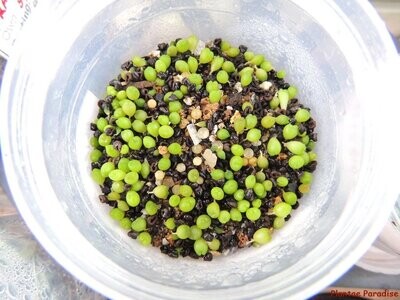
Cactus Seed Planting Mix
Cactus Seed Planting Mix
Sterile, Fine-Grain Media for Cactus & Succulent Seeds
SKU MNS005
₹74.85

FORTIFIED Cactus & Succulent SOIL (COARSE)
FORTIFIED Cactus & Succulent SOIL (COARSE)
SKU MNS004
5.0
(12)
₹54.85
New

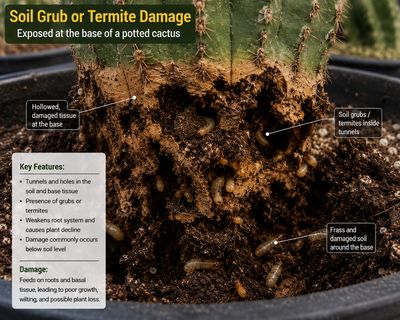
Monsoon Guardian Kit (5 in 1)
Monsoon Guardian Kit (5 in 1)
Complete 5-in-1 biological protection kit for cacti & succulents
SKU MNS024
₹850.00

FORTIFIED Cactus & Succulent SOIL (FINE)
FORTIFIED Cactus & Succulent SOIL (FINE)
SKU MNS002
5.0
(4)
₹49.85
Display prices in:INR
