
Categories
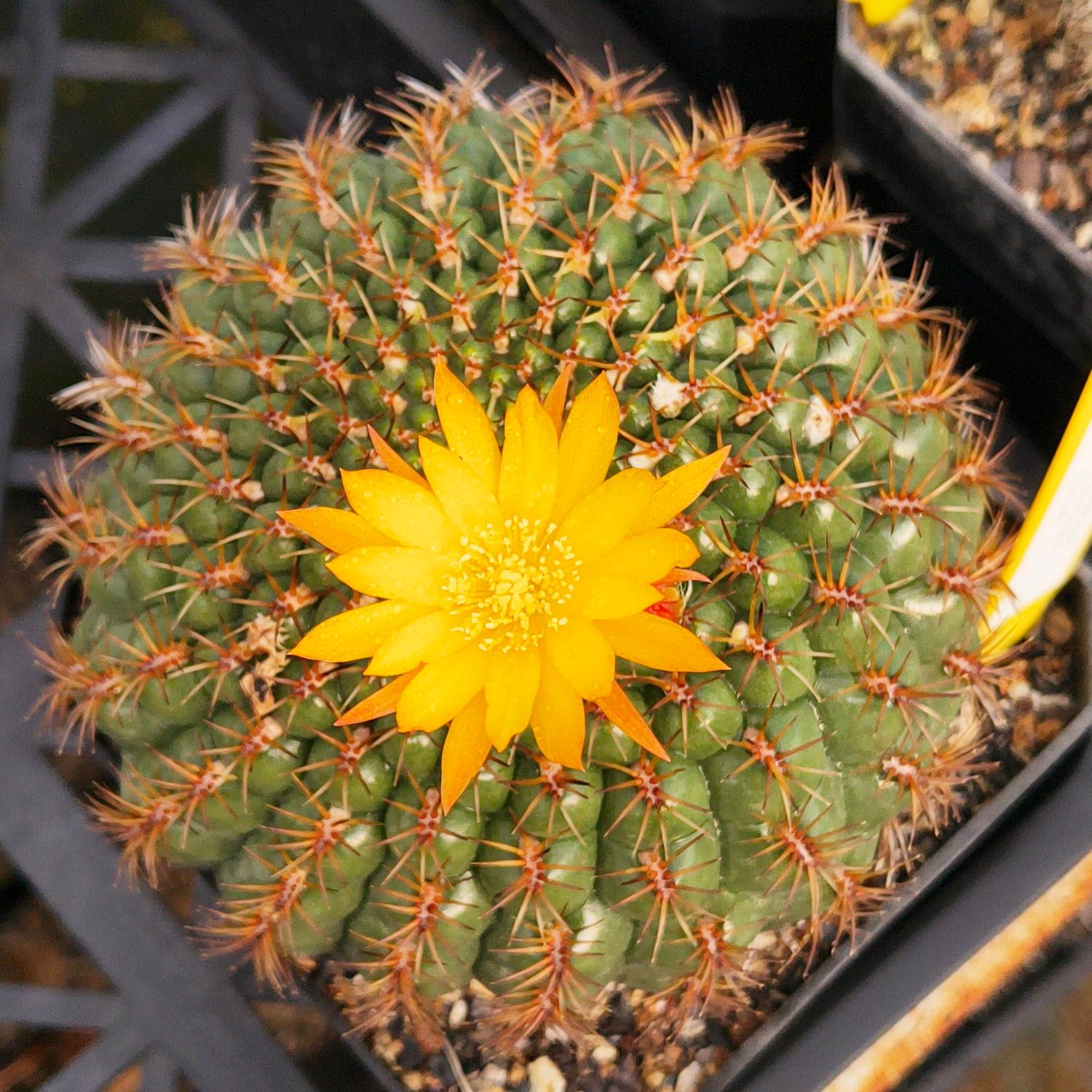
Matucana aureiflora
SKU MT010Ra
₹550.00
Sold out
Sold out
Save this product for later
Customer reviews
Reviews only from verified customers
No reviews yet. You can buy this product and be the first to leave a review.
Matucana aureiflora
Product Details
Golden Radiance: Matucana aureiflora
A rare high-altitude treasure prized for its unique flattened form and brilliant, non-fading golden blooms.
- Origin & History of Name: The genus Matucana is named after the town of Matucana, Peru, located near its primary habitat. The specific epithet aureiflora is derived from the Latin aureus (golden) and flos (flower). It was formally described by the German botanist Friedrich Ritter in 1966, specifically highlighting the species' distinct floral color compared to its red-flowering relatives.
- Morphology: This cactus features a globose to depressed-globose (flattened) body. Unlike many cacti, its epidermis (outer skin) is a rich dark green and relatively smooth. It possesses low, broad costae (ribs) adorned with strong, pectinate spines that curve back toward the body. Its most striking feature is the actinomorphic (radially symmetrical) golden-yellow flower, which, unlike many other Matucana species, remains open day and night.
- Habitat & Origin: This is a wild species endemic to the Andes mountains of Peru, specifically the Cajamarca region. It grows at high elevations of roughly 2,800 to 2,900 meters. All specimens should be sourced from nursery-propagated stock to protect wild populations from over-harvesting and ensure environmental sustainability.
- Cultivation Profile:
- Substrate: Use a strictly mineral-based mix (60% crushed brick, pumice, or perlite and 40% coarse river sand/grit) with minimal organic matter to prevent root rot in humid Indian climates.
- Light: High-intensity filtered sunlight. In India, provide bright morning sun but protect with 50% shade cloth during scorching afternoon peaks to avoid epidermis scorching.
- Water/Dormancy: Water deeply during the growing season (March–September) only when the medium is bone-dry. During the monsoon and winter, maintain strict dormancy; keep the plant completely dry to prevent fungal issues caused by ambient humidity.
- Scientific/Historical Anecdote: Matucana aureiflora is considered one of the more primitive members of its genus. While most Matucana evolved zygomorphic (bilateral) flowers to cater to specific hummingbird pollinators, aureiflora retained its radial symmetry and sturdy, upright floral tube, suggesting an evolutionary link to more ancestral cactus forms.
You May Also Like
New


Monsoon Guardian Kit (5 in 1)
Monsoon Guardian Kit (5 in 1)
Complete 5-in-1 biological protection kit for cacti & succulents
SKU MNS024
₹850.00
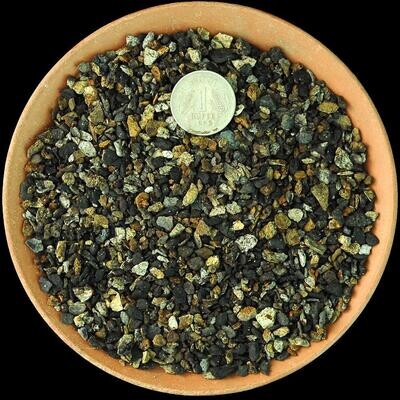
Cactus & Succulent Planting Mix COARSE (aka Cactus Soil Mix or Succulent Soil Mix)
Cactus & Succulent Planting Mix COARSE (aka Cactus Soil Mix or Succulent Soil Mix)
Washed, Free-Draining Mineral Mix for Cactus & Succulents
SKU MNS003
5.0
(1)
₹44.85
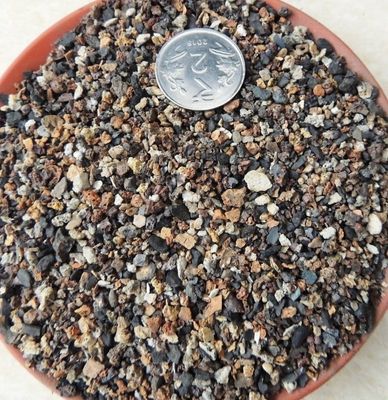
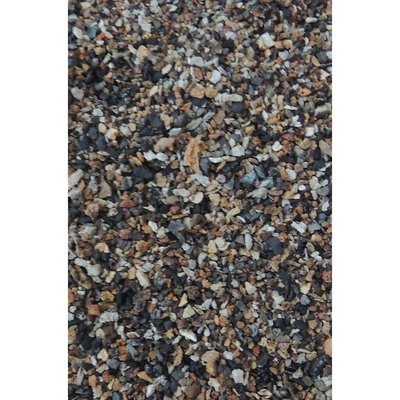
Cactus & Succulent Planting Mix FINE (aka Cactus Soil Mix or Succulent Soil Mix)
Cactus & Succulent Planting Mix FINE (aka Cactus Soil Mix or Succulent Soil Mix)
Fine-Grain Potting Mix for Cactus & Succulent Roots
SKU MNS001
5.0
(3)
₹39.85
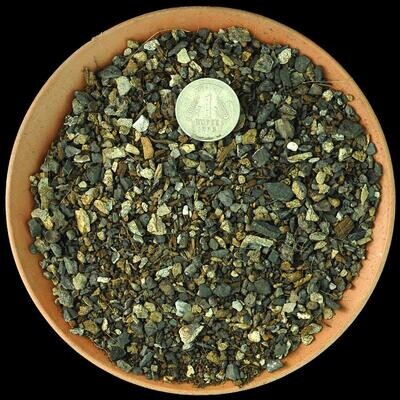
FORTIFIED Cactus & Succulent SOIL (COARSE)
FORTIFIED Cactus & Succulent SOIL (COARSE)
SKU MNS004
5.0
(12)
₹54.85
Display prices in:INR
