
Categories
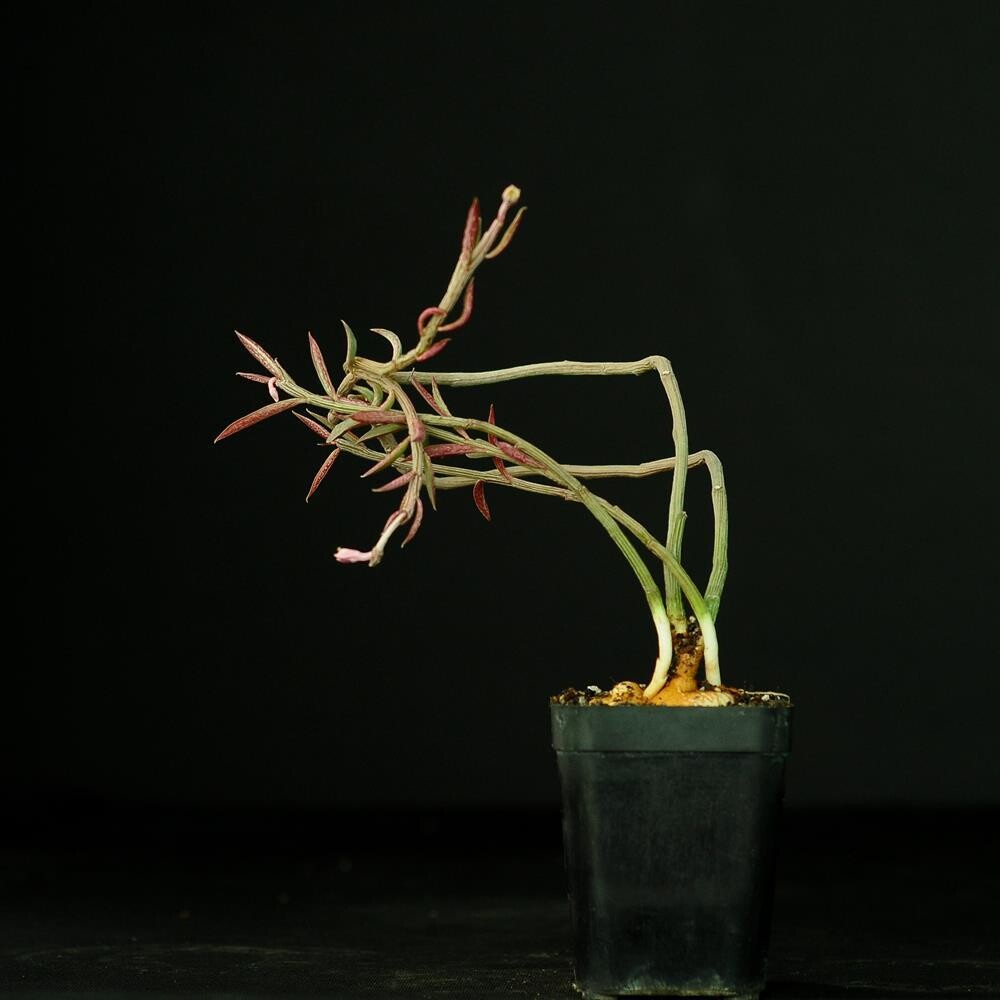
Monadenium rubellum
SKU MO011B
₹425.00
Sold out
Sold out
Save this product for later
Customer reviews
Reviews only from verified customers
No reviews yet. You can buy this product and be the first to leave a review.
Monadenium rubellum
Product Details
Origin of Name
Monadenium rubellum derives its name from the Greek words 'monos', meaning single or solitary, and 'aden', meaning gland, referring to the single gland found at the base of the cyathium (flower structure) in this genus. The species name 'rubellum' is Latin for 'reddish', indicating the color of the plant's flowers.
Technical Description of Plant
Monadenium rubellum is a striking succulent, known for its bushy appearance and segmented, pencil-like stems that are green to gray-green in color. The stems are fleshy, cylindrical, and can grow up to 30 cm tall. The leaves, when present, are small and ephemeral. This species is particularly noted for its reddish-pink inflorescences, which are small but vivid, contrasting with the green stems. The flowers are unisexual, with male and female flowers occurring on separate plants.
Origin of Plant
This succulent is native to Eastern Africa, particularly Tanzania and Kenya. It typically grows in rocky or wooded areas, adapting well to a range of environmental conditions within these regions.
Conservation Status
There is no specific conservation status listed for Monadenium rubellum. However, like many native plants, it may face threats from habitat loss and environmental changes in its native regions.
Care Instructions
Monadenium rubellum requires well-draining soil, ideally a mix formulated for cacti and succulents. It prefers bright, indirect light and should be protected from intense, direct sunlight to prevent scorching. Water moderately during the growing season, allowing the soil to dry out between waterings, and reduce watering in the winter months. This plant is not frost-tolerant and should be kept in a warm environment during cold seasons. Occasional fertilization during the growing season can promote healthier growth. Regular inspection for pests and grooming to remove any dead stems will help maintain the plant's health and appearance.
You May Also Like

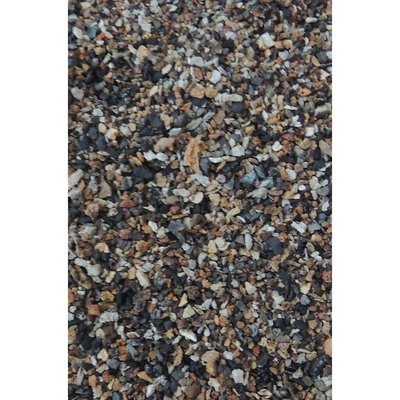
Cactus & Succulent Planting Mix FINE (aka Cactus Soil Mix or Succulent Soil Mix)
Cactus & Succulent Planting Mix FINE (aka Cactus Soil Mix or Succulent Soil Mix)
Fine-Grain Potting Mix for Cactus & Succulent Roots
SKU MNS001
5.0
(3)
₹39.85
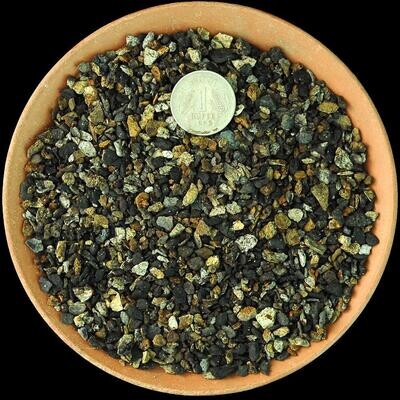
Cactus & Succulent Planting Mix COARSE (aka Cactus Soil Mix or Succulent Soil Mix)
Cactus & Succulent Planting Mix COARSE (aka Cactus Soil Mix or Succulent Soil Mix)
Washed, Free-Draining Mineral Mix for Cactus & Succulents
SKU MNS003
5.0
(1)
₹44.85
New
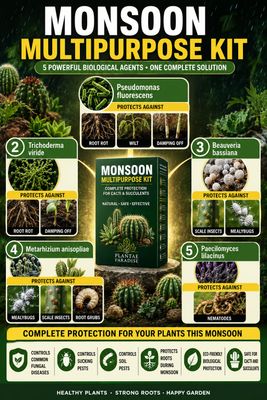
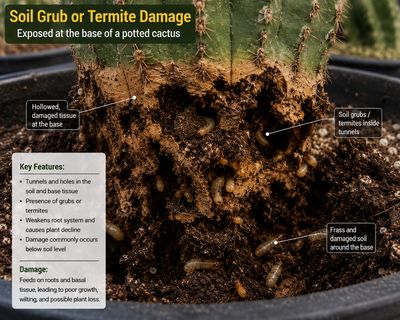
Monsoon Guardian Kit (5 in 1)
Monsoon Guardian Kit (5 in 1)
Complete 5-in-1 biological protection kit for cacti & succulents
SKU MNS024
₹850.00
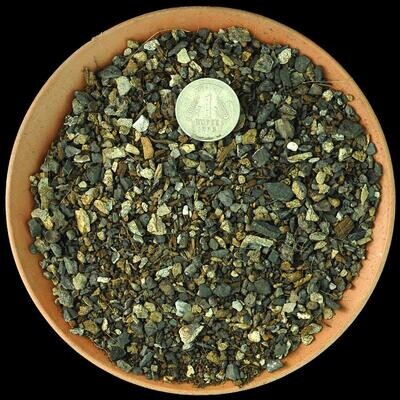
FORTIFIED Cactus & Succulent SOIL (COARSE)
FORTIFIED Cactus & Succulent SOIL (COARSE)
SKU MNS004
5.0
(11)
₹54.85
Display prices in:INR
