
Categories
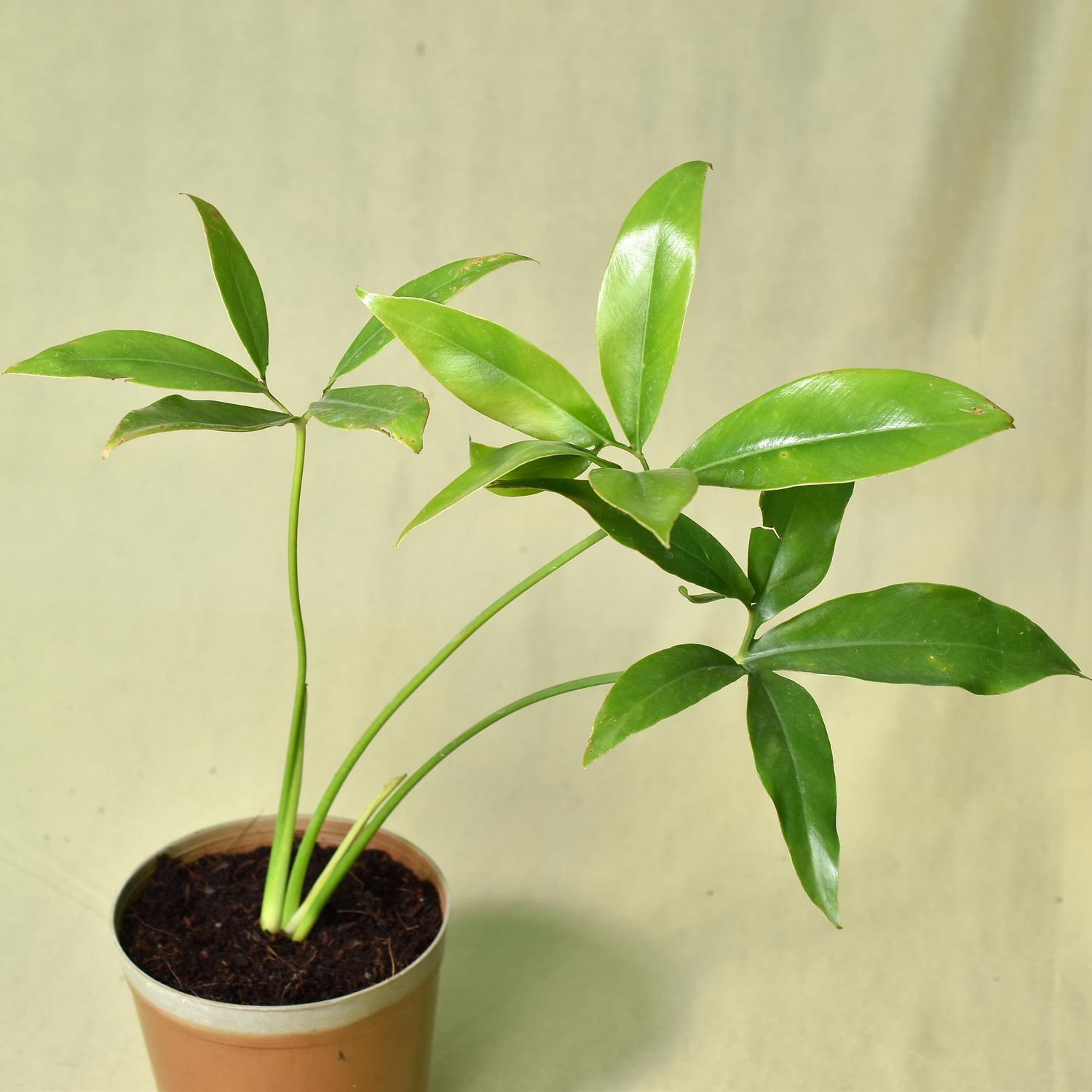
Monstera burle marx flame small plant
SKU GG015
₹212.50
On Sale
List Price ₹250.00 Save 15%
A rare Monstera with flame-like leaves and unmatched collector appeal.
In stock: 15 available
1
Save this product for later
Customer reviews
Reviews only from verified customers
No reviews yet. You can buy this product and be the first to leave a review.
Monstera burle marx flame small plant
Product Details
Sculptural Elegance: Monstera burle marx flame
Own a living masterpiece characterized by its skeletal, flame-like silhouette and legendary status among rare aroid collectors.
- Origin & History of Name The name honors Roberto Burle Marx, the influential Brazilian landscape architect who championed tropical flora.
The specific epithet "flame" is a descriptive trade name referring to the mature leaf's resemblance to a flickering fire. Linguistically, Monstera derives from the Latin monstrum (monster), referencing the unusual, perforated "monstrous" nature of the leaves. - Morphology This plant is defined by extreme leaf fenestration where the lamina (leaf blade) is deeply incised, leaving only thin strips of tissue along the midrib and secondary costae (ribs).
Unlike other species, the epidermis is thick and coriaceous (leathery), providing a structural rigidity that allows the narrow lobes to hold their "flame" shape without drooping. - Habitat & Origin The Monstera burle marx flame is currently considered a distinct cultivar or a yet-to-be-described species rather than a common wild-type. While its exact lineage is debated, it is widely believed to have originated from a specific selection in Brazilian collections. Our specimens are propagated via sustainable laboratory tissue culture or stem cuttings to protect wild aroid populations.
- Cultivation Profile
- Substrate: Use a highly porous, coarse aroid mix consisting of coco chips, perlite, and charcoal. Avoid heavy garden soil which compacts in Indian humidity.
- Light: Bright, filtered indirect sunlight. In India, a North or East-facing balcony is ideal; avoid harsh afternoon sun (12:00 PM – 4:00 PM) to prevent leaf scorch.
- Water/Dormancy: Water when the top 2 inches of substrate feel dry. During the monsoon, ensure maximum drainage. Growth slows slightly in North Indian winters; reduce watering frequency during this period.
- Scientific/Historical Anecdote For decades, this plant was erroneously circulated in the hobby as a Philodendron due to its unique growth habit. It wasn't until botanical enthusiasts observed its flowering structure—a characteristic spathe and spadix—that it was correctly identified as belonging to the genus Monstera.
You May Also Like
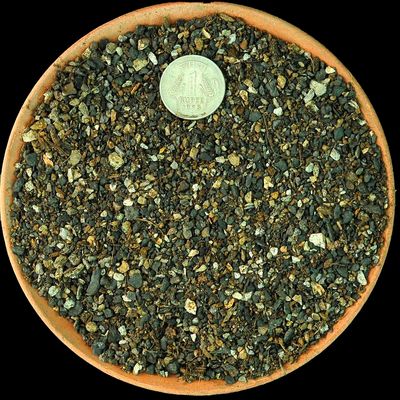
FORTIFIED Cactus & Succulent SOIL (FINE)
FORTIFIED Cactus & Succulent SOIL (FINE)
SKU MNS002
5.0
(4)
₹49.85

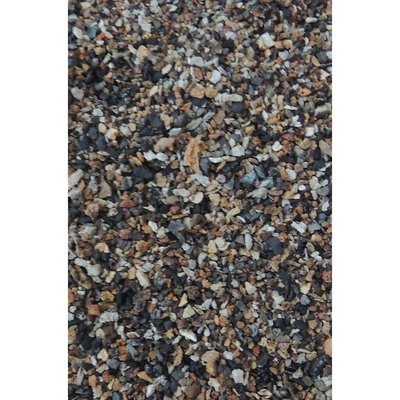
Cactus & Succulent Planting Mix FINE (aka Cactus Soil Mix or Succulent Soil Mix)
Cactus & Succulent Planting Mix FINE (aka Cactus Soil Mix or Succulent Soil Mix)
Fine-Grain Potting Mix for Cactus & Succulent Roots
SKU MNS001
5.0
(3)
₹39.85


Cactus Seed Planting Mix
Cactus Seed Planting Mix
Sterile, Fine-Grain Media for Cactus & Succulent Seeds
SKU MNS005
₹74.85

FORTIFIED Cactus & Succulent SOIL (COARSE)
FORTIFIED Cactus & Succulent SOIL (COARSE)
SKU MNS004
5.0
(11)
₹54.85
Display prices in:INR
