
Categories
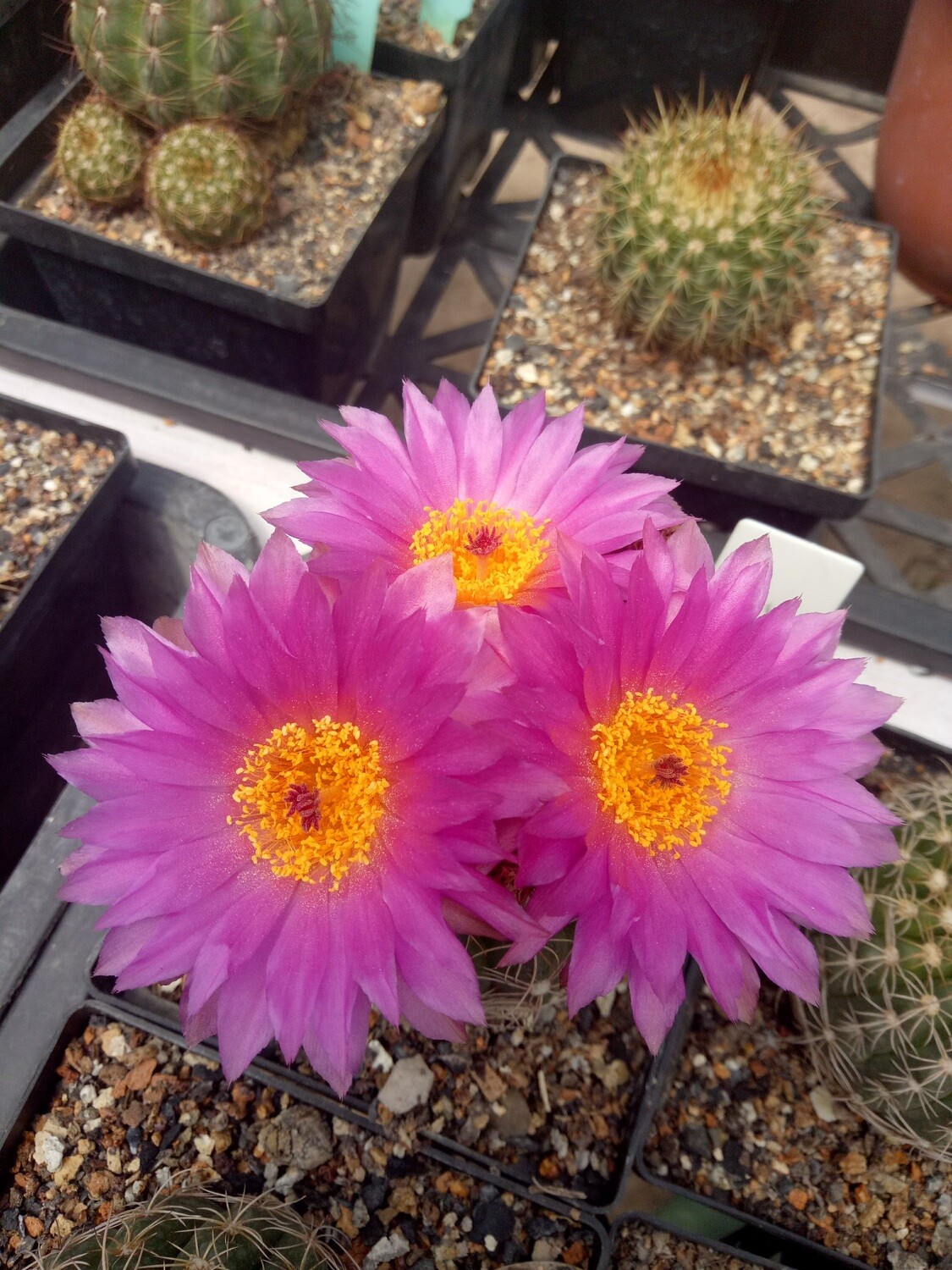
Notocactus crassigibus clump
SKU NC006Rc
₹950.00
Sold out
Sold out
Save this product for later
Customer reviews
Reviews only from verified customers
No reviews yet. You can buy this product and be the first to leave a review.
Notocactus crassigibus clump
Product Details
Origin of Name
The genus name "Notocactus" has historically been used to describe a group of South American cacti known for their striking flowers and globular to columnar shapes. The name "Notocactus" is derived from Greek, meaning "southern cactus," indicating its native range in the Southern Hemisphere.
Technical Description of Plant
Notocactus (Parodia) species are characterized by their globular to short columnar forms, often growing solitary but sometimes clustering. They feature pronounced ribs lined with areoles from which emerge spines that can vary in length, color, and density. Flowers of Notocactus are generally large, colorful, and appear at the crown of the plant, ranging in color from yellow to red, depending on the species. This plant has huge violet flowers . Very showy.
Origin of Plant
Notocactus species are native to South America, with a range that includes Brazil, Uruguay, Argentina, and Paraguay. They are adapted to grow in rocky and grassy areas, demonstrating significant resilience and drought tolerance.
Conservation Status
Many cacti, including species within the Notocactus and Parodia genera, face conservation challenges such as habitat loss, overcollection, and climate change impacts. While specific conservation status would depend on accurate species identification, sustainable cultivation and trade practices are essential for all cacti.
Care Instructions
Notocactus (Parodia) species prefer bright, indirect light or partial sun exposure. They thrive in well-draining soil mixes formulated for cacti and succulents. Watering should be moderate during the growing season, allowing the soil to dry completely between waterings, and significantly reduced during the dormant winter months. These plants are not frost-tolerant and should be protected from extreme cold. Fertilize sparingly with a diluted cactus fertilizer during the active growth period for best results.
You May Also Like
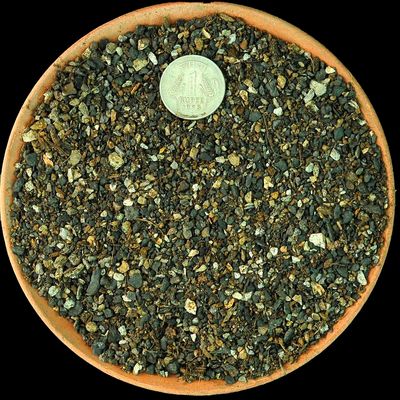
FORTIFIED Cactus & Succulent SOIL (FINE)
FORTIFIED Cactus & Succulent SOIL (FINE)
SKU MNS002
5.0
(4)
₹49.85
New

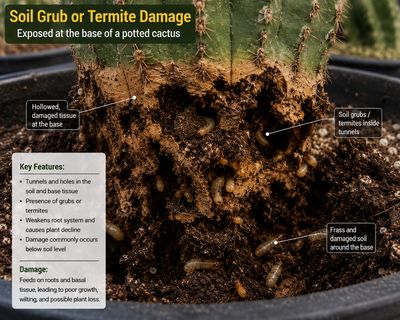
Monsoon Guardian Kit (5 in 1)
Monsoon Guardian Kit (5 in 1)
Complete 5-in-1 biological protection kit for cacti & succulents
SKU MNS024
₹850.00
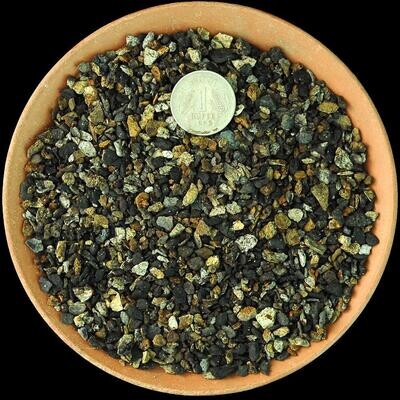
Cactus & Succulent Planting Mix COARSE (aka Cactus Soil Mix or Succulent Soil Mix)
Cactus & Succulent Planting Mix COARSE (aka Cactus Soil Mix or Succulent Soil Mix)
Washed, Free-Draining Mineral Mix for Cactus & Succulents
SKU MNS003
5.0
(1)
₹44.85
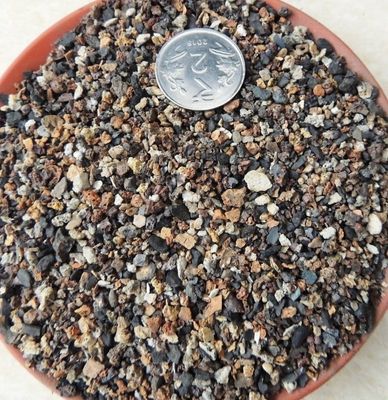
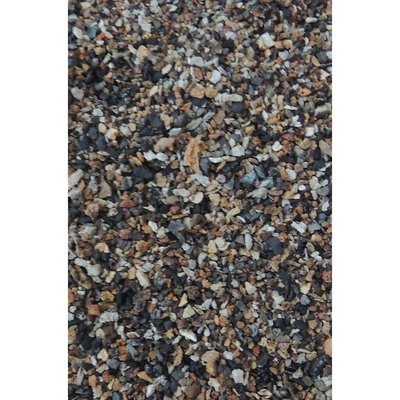
Cactus & Succulent Planting Mix FINE (aka Cactus Soil Mix or Succulent Soil Mix)
Cactus & Succulent Planting Mix FINE (aka Cactus Soil Mix or Succulent Soil Mix)
Fine-Grain Potting Mix for Cactus & Succulent Roots
SKU MNS001
5.0
(3)
₹39.85
Display prices in:INR
