
Categories
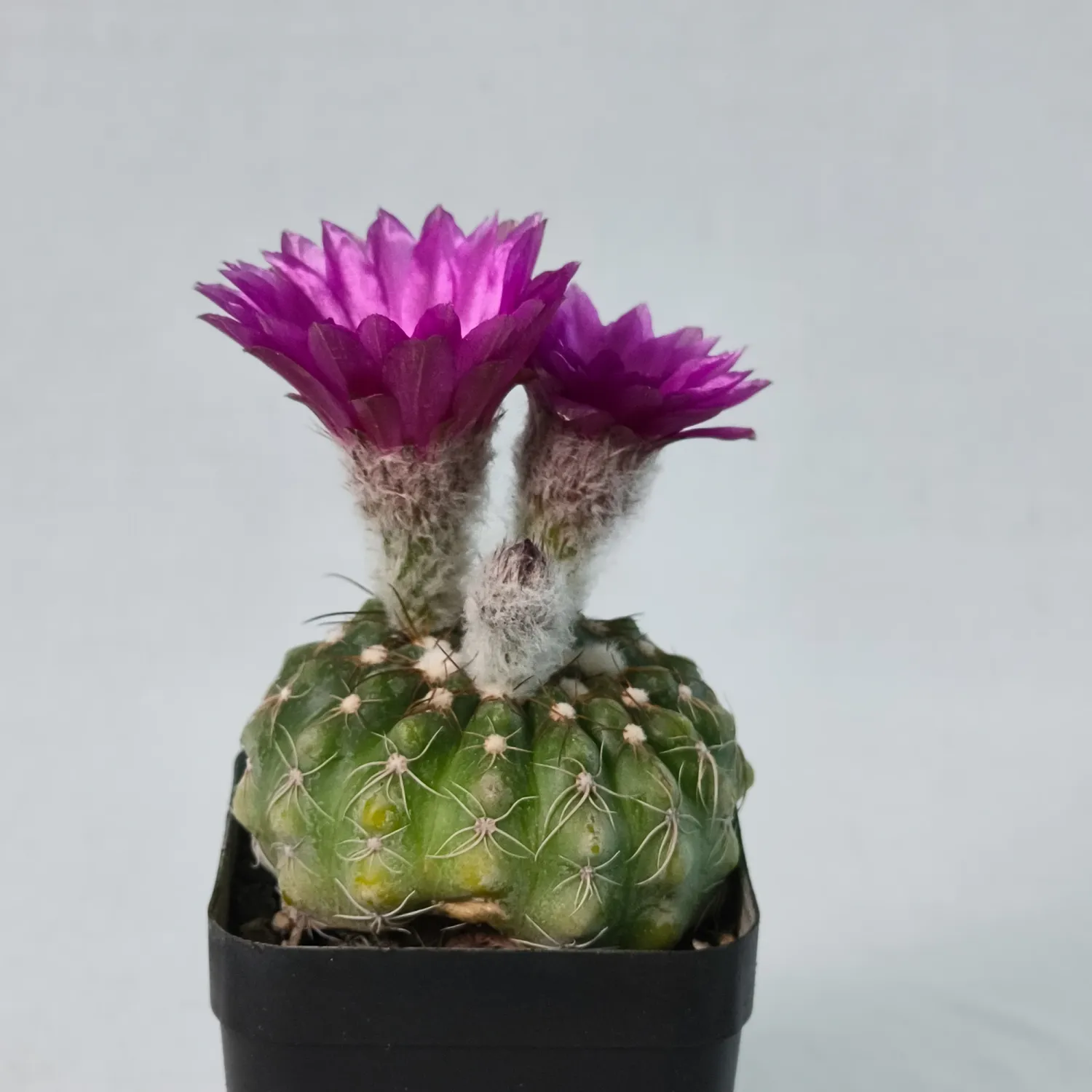
Notocactus uebelmannianus Buining
SKU NC009
₹450.00
Sold out
Seed-grown cactus with vivid purple blooms
Sold out
Save this product for later
Customer reviews
Reviews only from verified customers
No reviews yet. You can buy this product and be the first to leave a review.
Notocactus uebelmannianus Buining
Product Details
The Purple Sun: Notocactus uebelmannianus
A prized globular rarity, celebrated for its high-gloss emerald body and strikingly vibrant magenta blooms.
- Origin & History of Name: The genus name Notocactus is derived from the Greek notos, meaning "south," referencing its South American origins.
This specific species was named in 1968 by Dutch botanist Albert Buining to honor Werner Uebelmann, a Swiss cactus enthusiast and nurseryman who significantly contributed to the study and distribution of Brazilian succulents. - Morphology: This cactus features a solitary, depressed-globose (flattened-round) shape. Its epidermis is a distinct glossy, dark green, divided into 8–12 broad, rounded costae (ribs). The areoles are recessed and produce short, spider-like spines that lay flat against the body, ensuring the plant’s geometric form remains the focal point.
- Habitat & Origin: This is a wild species native to the Rio Grande do Sul region of Southern Brazil.
It typically grows in rocky outcrops and grasslands. Our specimens are nursery-grown from seed, ensuring the protection of wild populations and promoting sustainable horticultural practices. - Cultivation Profile:
- Substrate: Use a strictly mineral-based mix (50% grit/pumice, 25% coarse sand, 25% organic matter) to ensure rapid drainage.
- Light: Bright, indirect sunlight is ideal. In the harsh Indian summer, provide 50% shade cloth protection to prevent epidermis scorching.
- Water/Dormancy: Water thoroughly when the medium is bone dry during the March–October growing season. Maintain a strict dry dormancy during the winter months to trigger spring flowering.
- Scientific/Historical Anecdote: While most Notocactus species produce yellow flowers, N. uebelmannianus is famous among collectors for its "pleiotropic" color variation; while the deep purple form is the most sought-after, a rare yellow-flowering variant exists in the same wild populations, though they are morphologically identical otherwise.
You May Also Like

FORTIFIED Cactus & Succulent SOIL (COARSE)
FORTIFIED Cactus & Succulent SOIL (COARSE)
SKU MNS004
5.0
(12)
₹54.85

FORTIFIED Cactus & Succulent SOIL (FINE)
FORTIFIED Cactus & Succulent SOIL (FINE)
SKU MNS002
5.0
(4)
₹49.85
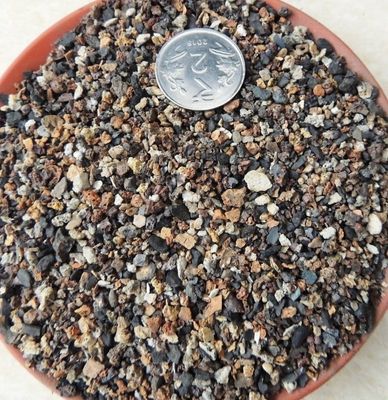
Cactus & Succulent Planting Mix FINE (aka Cactus Soil Mix or Succulent Soil Mix)
Cactus & Succulent Planting Mix FINE (aka Cactus Soil Mix or Succulent Soil Mix)
Fine-Grain Potting Mix for Cactus & Succulent Roots
SKU MNS001
5.0
(3)
₹39.85
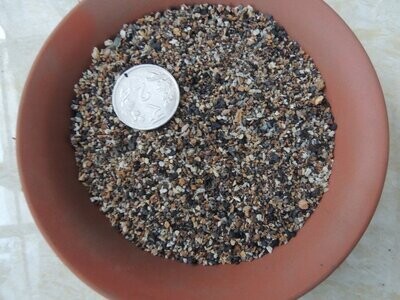
Cactus Seed Planting Mix
Cactus Seed Planting Mix
Sterile, Fine-Grain Media for Cactus & Succulent Seeds
SKU MNS005
₹74.85
Display prices in:INR
