
Categories
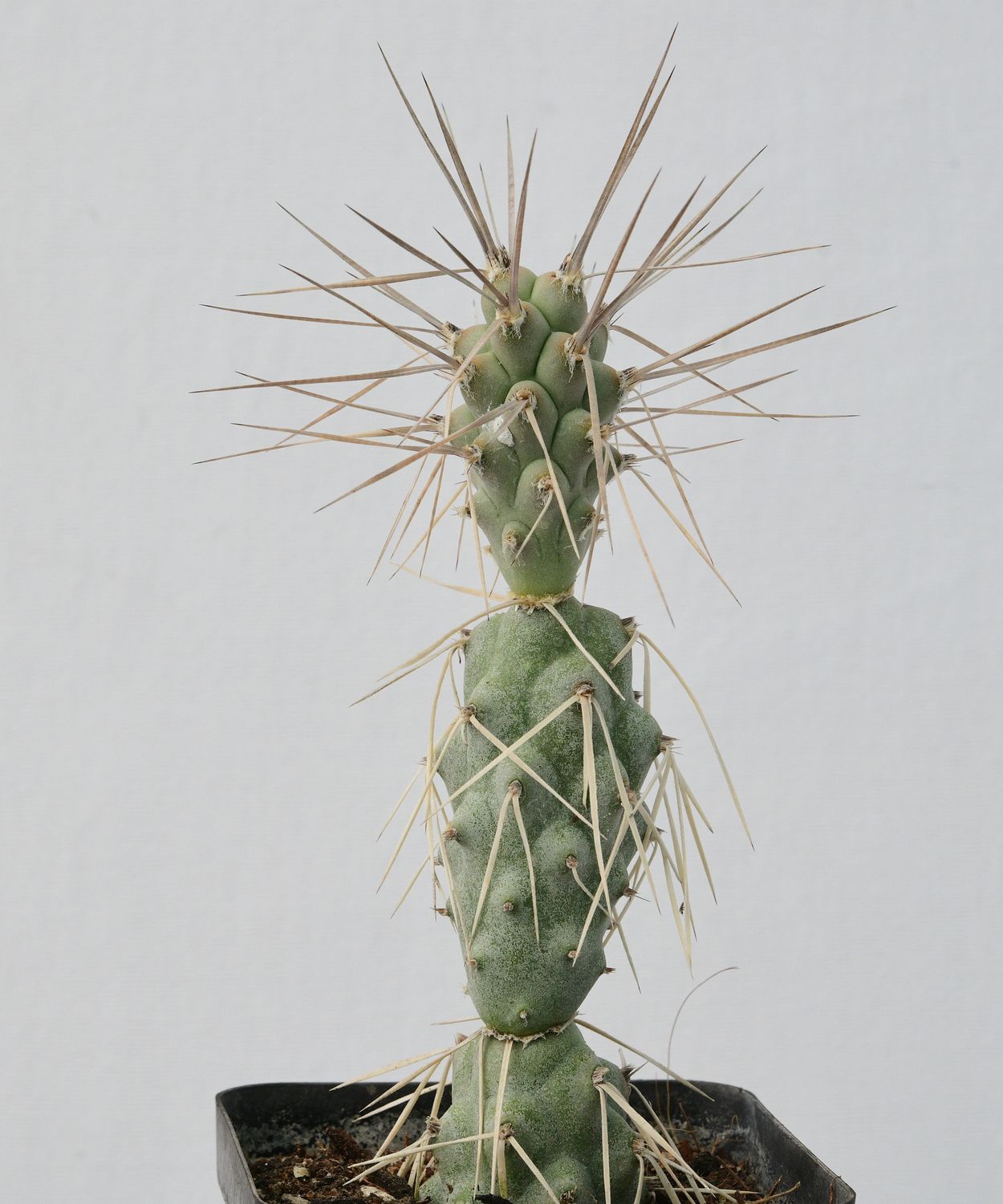
Opuntia aoracanthus syn Tephrocactus aoracanthus
SKU OP023
₹580.00
In stock: 1 available
1
Save this product for later
Customer reviews
Reviews only from verified customers
No reviews yet. You can buy this product and be the first to leave a review.
Opuntia aoracanthus syn Tephrocactus aoracanthus
Product Details
Opuntia aoracanthus (syn. Tephrocactus aoracanthus) - The Unique Cactus You Won't Want to Miss
Discover the fascinating Opuntia aoracanthus, a remarkable cactus variety that showcases the beauty and diversity of the cactus family. With its unique textures and captivating history, this plant is a perfect addition for any succulent enthusiast or collector.
1. Origin of Name
The name "Opuntia aoracanthus" derives from the Latin word “Opuntia,” which refers to a genus of cacti commonly known as prickly pears. The etymology stems from the Greek "opountia," originally used by the botanist Dioscorides in the 1st century AD to describe a plant found in Opus, an ancient city in Greece. The “aoracanthus” part of its scientific name comes from the Greek roots "aora," meaning "without," and "kanthos," meaning "spine" or "thorn," reflecting the plant’s unique morphologies. Historically, Tephrocactus, a name once used for certain opuntia species, is derived from the Greek “tephra,” meaning “ash,” alluding to the ash-colored protective coat found in some of its species.
Opuntia aoracanthus was first described scientifically in 1920 by renowned botanist W. H. A. Hemsley during his extensive explorations in South America. This plant boasts several synonyms, including Tephrocactus aoracanthus, showcasing its rich taxonomic history. The plant’s distinctive characteristics have made it a favorite among botanists and collectors alike, with the name choice inspired by its unique attributes and geographical origins.
2. Origin of Plant
Opuntia aoracanthus is native to the arid regions of south-central Argentina. Its natural habitat consists of dry, rocky, and well-drained soils where it thrives under harsh conditions. The cactus is commonly found in the provinces of Mendoza and San Juan, where it has adapted to the local climate.
The plant was first discovered during botanical expeditions in the early 20th century when explorers sought to document the diverse flora of Argentina. The unique appearance of Opuntia aoracanthus quickly caught the interest of botanists due to its striking features and resilience in challenging environments.
3. Description
This enchanting cactus exhibits an intriguing growth form characterized by its upright stems, which can reach heights of up to 3 feet. The stem segments are cylindrical, with a smooth, greenish hue and small, scaly tubercles that give it a unique texture. Unlike many of its prickly pear relatives, Opuntia aoracanthus lacks prominent spines, adding to its allure and making it easier to handle.
During the blooming season, this cactus produces vibrant, colorful flowers that can range from yellow to creamy white, attracting pollinators and adding aesthetic appeal to its overall presence. These delicate blooms arise from the areoles, creating a stunning contrast against the green stems. Also, the plant can produce small, edible fruit called "tunas," which are often appreciated for their sweet flavor.
4. Conservation Status
Currently, Opuntia aoracanthus is classified as a species of “Least Concern,” indicating that it is not currently threatened or endangered. This cactus benefits from its robustness and adaptability to its environment, but conservation efforts in its native habitat aim to protect the natural ecosystems that sustain its growth. Ongoing preservation initiatives focus on curbing habitat loss due to agriculture and urbanization.
5. Care
For those looking to cultivate this magnificent cactus at home, follow these care guidelines:
- Watering: During the growing season (spring and summer), water the plant deeply but infrequently. Allow the soil to dry out completely between waterings to prevent root rot. In the dormant period (fall and winter), reduce watering to once a month.
- Soil: Use a well-draining cactus or succulent potting mix. A mix of sand, perlite, and potting soil provides an ideal environment.
- Light: Opuntia aoracanthus thrives in bright, direct sunlight. Ideally, place it in a south-facing window for optimal growth.
- Temperature: This cactus prefers temperatures between 70°F and 90°F during the day and can tolerate drops to around 50°F at night.
- Tips for Healthy Growth: Fertilize with a diluted cactus-specific fertilizer during the growing season, and ensure excellent air circulation around the plant to promote healthy growth.
6. Interesting Anecdote
In the early 20th century, Opuntia aoracanthus attracted not only botanists but also mythologists who linked its unique characteristics to local folklore. The indigenous people of Argentina revered cacti as symbols of endurance and survival, often incorporating them into their traditional stories.
You May Also Like
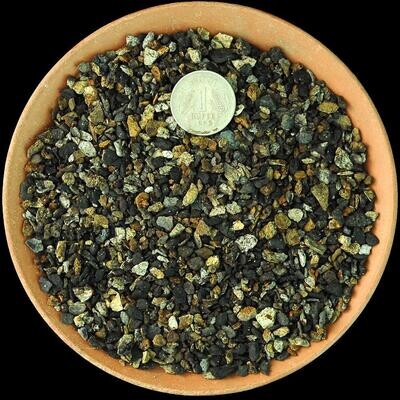
Cactus & Succulent Planting Mix COARSE (aka Cactus Soil Mix or Succulent Soil Mix)
Cactus & Succulent Planting Mix COARSE (aka Cactus Soil Mix or Succulent Soil Mix)
Washed, Free-Draining Mineral Mix for Cactus & Succulents
SKU MNS003
5.0
(1)
₹44.85
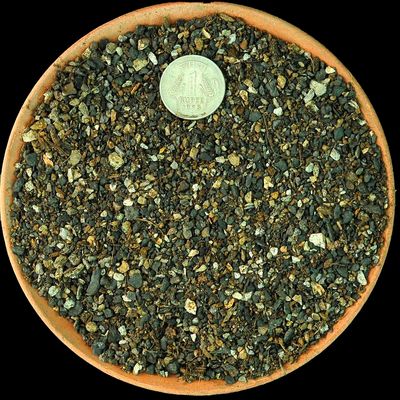
FORTIFIED Cactus & Succulent SOIL (FINE)
FORTIFIED Cactus & Succulent SOIL (FINE)
SKU MNS002
5.0
(4)
₹49.85
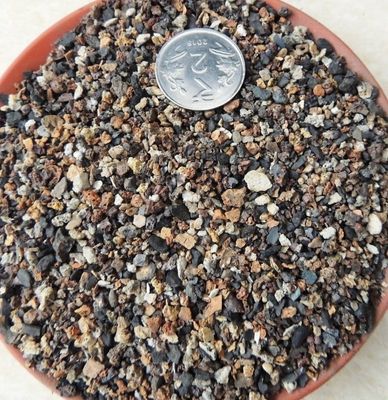
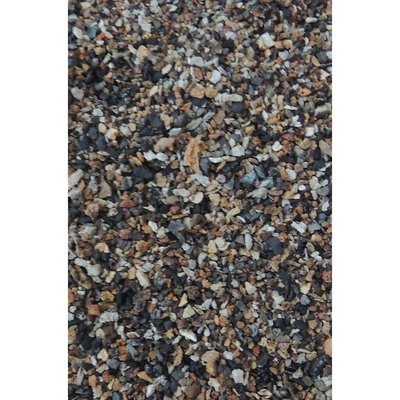
Cactus & Succulent Planting Mix FINE (aka Cactus Soil Mix or Succulent Soil Mix)
Cactus & Succulent Planting Mix FINE (aka Cactus Soil Mix or Succulent Soil Mix)
Fine-Grain Potting Mix for Cactus & Succulent Roots
SKU MNS001
5.0
(3)
₹39.85
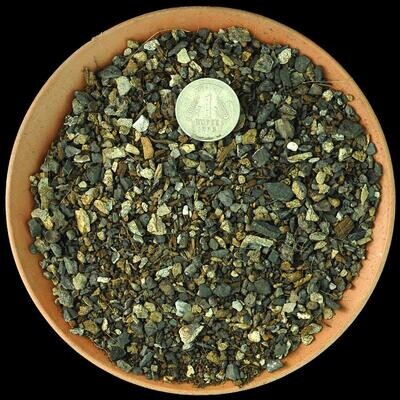
FORTIFIED Cactus & Succulent SOIL (COARSE)
FORTIFIED Cactus & Succulent SOIL (COARSE)
SKU MNS004
5.0
(11)
₹54.85
Display prices in:INR
