
Categories
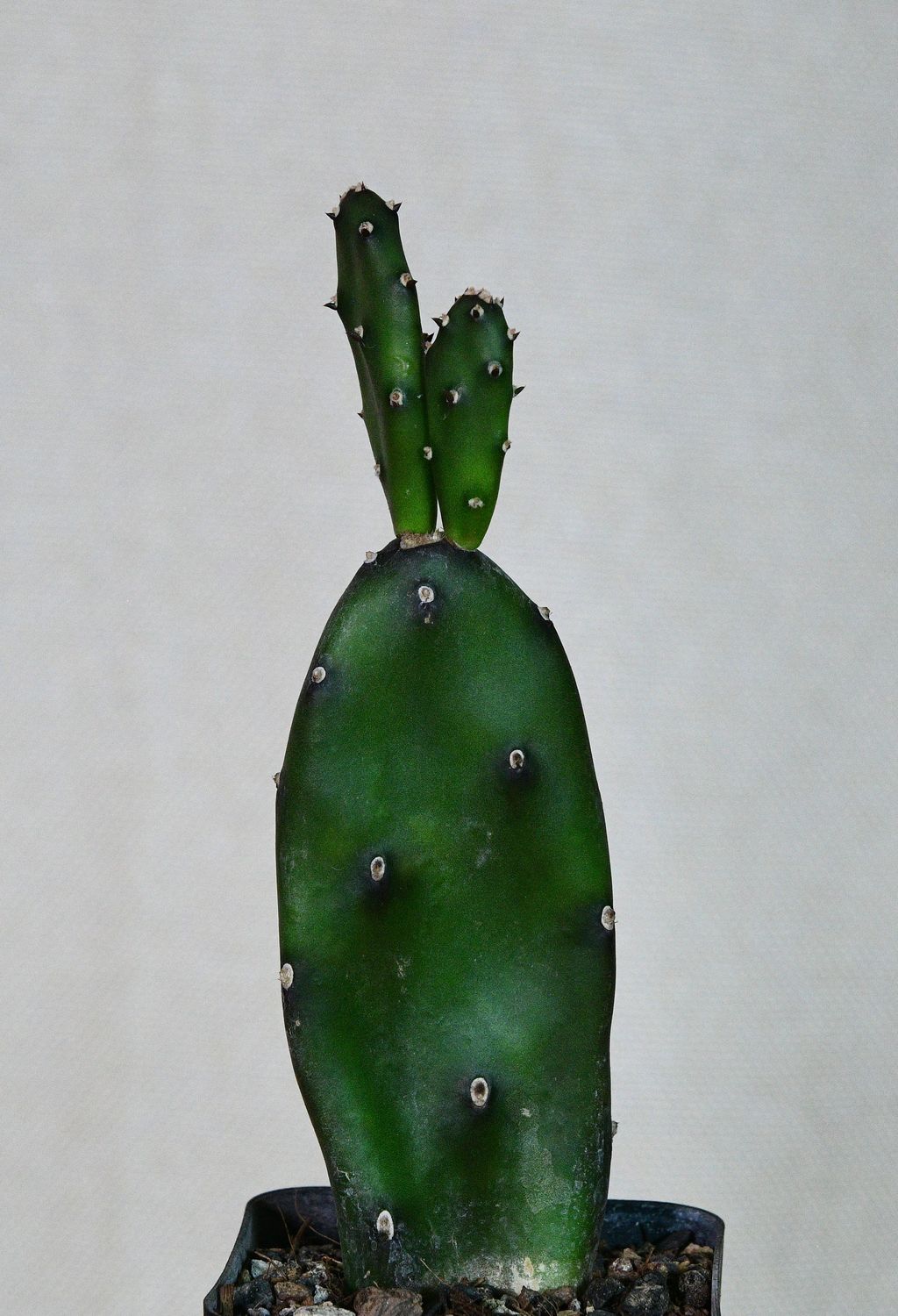
Opuntia canterae elata
SKU OP031
₹850.00
In stock: 1 available
1
Save this product for later
Customer reviews
Reviews only from verified customers
No reviews yet. You can buy this product and be the first to leave a review.
Opuntia canterae elata
Product Details
Opuntia canterae elata (Angel Wings Cactus)
A South American prickly pear with a real taxonomic mystery behind its label. Sold in nurseries as "Opuntia canterae elata," this fast-growing, upright cactus builds itself pad by pad into a many-branched shrub, each flattened, dark-green cladode edged with tidy white areoles and the occasional short spine. Deep orange summer flowers and a strange, still-unsolved question about its own fertility make this an easy-care plant with a genuinely interesting backstory.
Origin of Name
The genus name Opuntia dates back to Carl Linnaeus, who in 1753 borrowed it from the ancient Greek town of Opus (Opous), capital of Locris. The Roman naturalist Pliny the Elder described a spiny, edible plant growing around Opus that could take root even from a detached leaf — a description French botanist Joseph Pitton de Tournefort later attached to the New World prickly pears when Europeans encountered them, and Linnaeus made official. It's a case of an Old World place name migrating onto plants that, ironically, are entirely native to the Americas.
The species epithet canterae honors a collector surnamed Cantera, commemorated in the Latinized genitive form typical of nineteenth-century botanical naming, when specimens were often dedicated to the naturalists and field collectors who supplied them to museum herbaria. The plant was formally described in 1897 by José Arechavaleta, the Spanish-born pharmacist-turned-botanist who spent decades cataloguing Uruguay's flora and eventually directed the National History Museum in Montevideo, publishing the species in the museum's own Anales del Museo Nacional de Montevideo.
What makes the name on this plant's label unusual is the word "elata" tacked on afterward. For most of the twentieth century, O. canterae was treated by many botanists as nothing more than a synonym or minor form of the much more widespread Opuntia elata (Link & Otto ex Salm-Dyck), a species ranging from Bolivia and Paraguay down through Uruguay. Nurseries picked up that assumption and have long sold Uruguayan plants of this type under hybrid trade names like "Opuntia canterae elata" — part correct species, part inherited synonym. A 2020 taxonomic reassessment using modern phylogenetic evidence overturned that lumping, restoring O. canterae as its own distinct, narrowly endemic species — proof that a plant's nursery tag can sometimes lag a century behind the science. The word elata itself is simply Latin for "raised" or "lofty," from efferre ("to lift up"), a nod to the plant's relatively tall, upright growth compared to more sprawling opuntias.
Origin of Plant
Opuntia canterae is a true Uruguayan endemic, found nowhere else in the world. It grows in a narrow band near the Río de la Plata and Río Uruguay, currently known from only four localities across the country's coastal departments, rooted in sandy soils and rocky granite outcrops within the Pampean grassland and riverside plains. It was first collected and described in the closing years of the 19th century as European naturalists worked to document Uruguay's native vegetation, then spent much of the 20th century overlooked or misfiled under other Opuntia names before botanists revisited wild populations, gathered fresh specimens, and formally reinstated it as a distinct species in a 2020 study.
Description
A fast-growing, upright, freely branching succulent shrub, reaching 1.5 to 2 meters tall in the wild (occasionally more) and eventually just as wide once mature. It builds itself from flattened, elliptic to long-oblanceolate cladodes (pads) 13 to 30 cm long and 4 to 6 cm wide, dark green and faintly glossy, each studded with areoles that typically carry zero to one short spine (occasionally two) along with small tufts of glochids. In summer it produces bright orange, broadly obovate flowers, followed by long, club-shaped fruit 5.5 to 7 cm long that ripens from red to a deep, dark purple. The plant pictured here is a young, actively rooting specimen — a pair of new pads just emerging from the parent cladode, exactly the growth stage at which this cactus is typically offered, with years of upright branching still ahead of it.
Conservation Status
Opuntia canterae carries a precautionary IUCN assessment of Vulnerable (VU), based on its very restricted range — an estimated extent of occurrence of only around 6,400 km² and an area of occupancy of just 100 km², spread across a handful of known wild sites. Its coastal and riverside grassland habitat is under ongoing pressure from conversion to agriculture, and the species went largely unstudied for decades while misclassified under other names, only recently receiving the taxonomic attention needed to properly track and protect it. Choosing a nursery-propagated plant like this one takes zero pressure off the wild population.
Care
Light: Full sun to bright light — at least six hours of direct sun a day brings out the best growth and heaviest flowering, though young plants tolerate partial shade while establishing.
Watering: Water thoroughly and let the soil dry out completely between waterings during the growing season. Reduce watering substantially in winter, when the plant rests.
Soil: A gritty, fast-draining cactus or succulent mix — standard potting soil amended generously with pumice, perlite, or coarse sand works well.
Temperature: A fast, easy grower suited to warm climates; it tolerates brief dips down to around 0°C (32°F), roughly USDA zone 9a and warmer. Bring it under cover or indoors ahead of any hard frost.
General tips: Branches readily from the base and pads root easily once removed and left to callus for a few days, so propagation from cuttings is simple. Repot as it outgrows its container, and expect a genuinely shrubby, many-branched plant given a few years and plenty of sun.
An Interesting Note
Botanists studying wild Opuntia canterae populations have noticed something odd: the species frequently produces flowers with sterile stamens and fruit that never fully develop — an unresolved pattern that has researchers investigating whether this cactus might actually be dioecious (needing separate male and female plants to set viable seed), a rare trait in the genus. Combined with its century spent hiding in plain sight under someone else's name before its 2020 reinstatement as a full species, this unassuming Uruguayan shrub is still actively rewriting its own story in the botanical literature — a reminder that even a common-looking cactus can be full of open questions.
You May Also Like
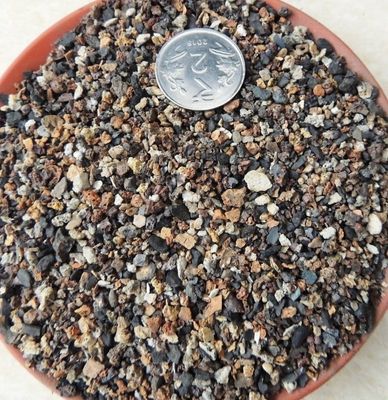

Cactus & Succulent Planting Mix FINE (aka Cactus Soil Mix or Succulent Soil Mix)
Cactus & Succulent Planting Mix FINE (aka Cactus Soil Mix or Succulent Soil Mix)
Fine-Grain Potting Mix for Cactus & Succulent Roots
SKU MNS001
5.0
(3)
₹39.85

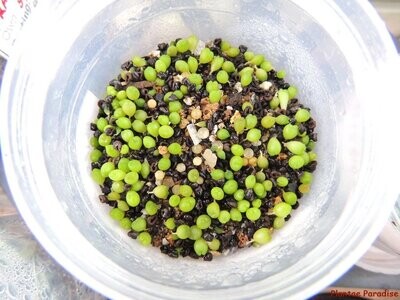
Cactus Seed Planting Mix
Cactus Seed Planting Mix
Sterile, Fine-Grain Media for Cactus & Succulent Seeds
SKU MNS005
₹74.85
New

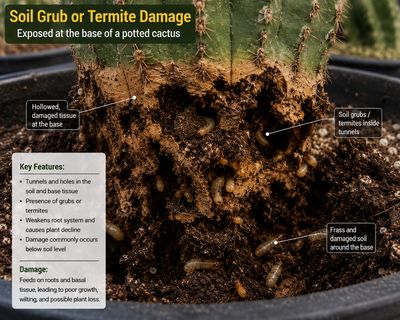
Monsoon Guardian Kit (5 in 1)
Monsoon Guardian Kit (5 in 1)
Complete 5-in-1 biological protection kit for cacti & succulents
SKU MNS024
₹850.00

FORTIFIED Cactus & Succulent SOIL (COARSE)
FORTIFIED Cactus & Succulent SOIL (COARSE)
SKU MNS004
5.0
(11)
₹54.85
Display prices in:INR
