
Categories
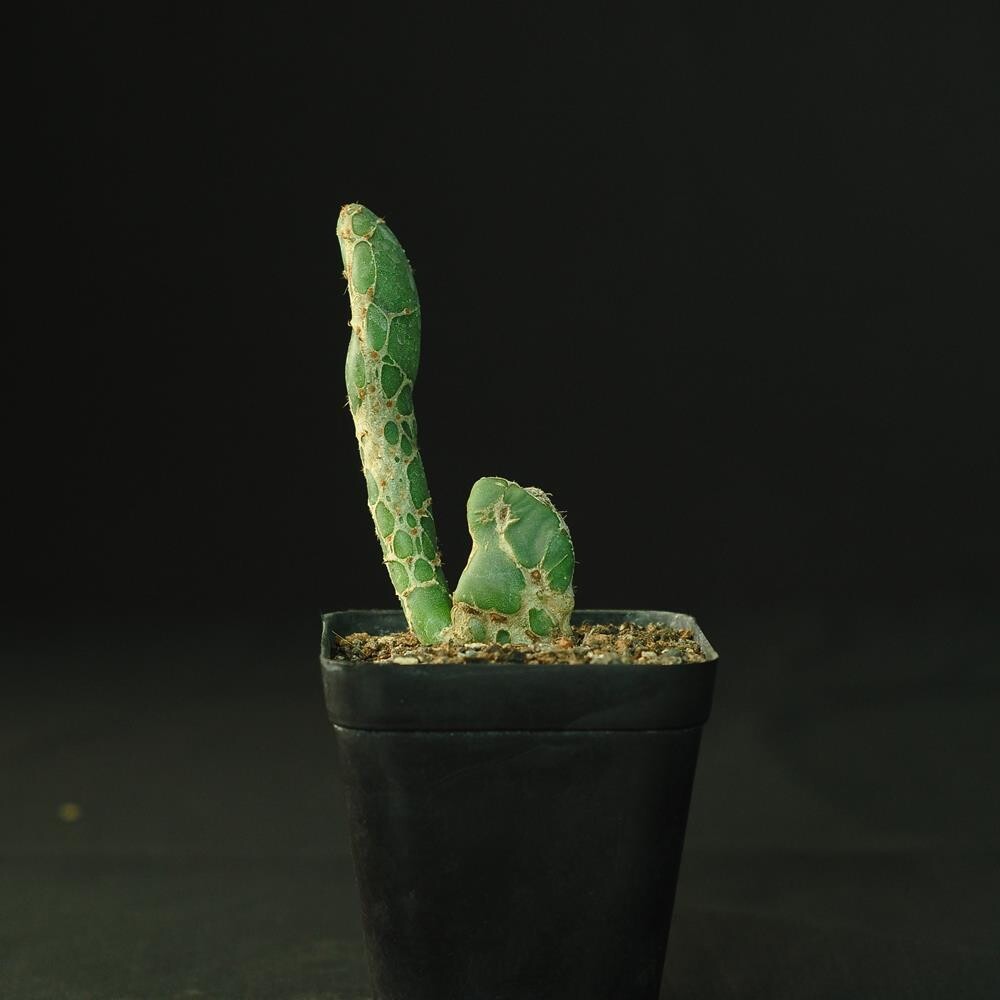
Opuntia reticulata
SKU OP012
₹550.00
Sold out
Sold out
Save this product for later
Customer reviews
Reviews only from verified customers
No reviews yet. You can buy this product and be the first to leave a review.
Opuntia reticulata
Product Details
Origin of Name
The genus name "Opuntia" is believed to derive from the ancient Greek city of Opus, where, according to Theophrastus, an edible plant grew that could be propagated from cuttings, hinting at the ease with which many species of Opuntia can be cultivated. The species name "reticulata" comes from Latin, meaning "net-like" or "reticulated," referring to the unique pattern on the cactus's skin that resembles a net or network of lines.
Technical Description of Plant
Opuntia reticulata is characterized by its flat, paddle-shaped stems called cladodes, which are green to blue-green and covered with a reticulated pattern of lines. It is a rather strange monstrous form with a certain fascination obtained in Europe. Often it is identified as Opuntia zebrina f. reticulata or Opuntia dillenii reticulata, but some differences in spine bolt from Opuntia dillenii and Opuntia zebrina suggests that it is neither dillenii or zebrina.
It seems to be spineless and innocuous but it has small stiff spines and very irritating glochids like most of the opuntias. Criss cross line markings make it look like the body of a snake.Unlike many other members of the Opuntia genus, its spines can be sparse to absent, making handling less hazardous. During the warmer months, it produces yellow flowers that mature into purple fruits, adding to its ornamental value. The plant can reach a moderate height, forming shrubby or tree-like structures that are both striking and sculptural.
Origin of Plant
Native to Mexico, Opuntia reticulata thrives in arid and semi-arid regions where it has adapted to survive in harsh, dry conditions. Its ability to store water within its succulent stems allows it to withstand long periods of drought, making it a resilient species well-suited to its native desert environments.
Conservation Status
Currently, Opuntia reticulata does not have a specific conservation status and is not listed as endangered. However, habitat destruction and climate change pose ongoing threats to its natural habitats, underscoring the importance of conservation efforts for this and other native cactus species.
Care Instructions
Opuntia reticulata requires full sun to partial shade to thrive, mimicking its natural desert habitat. It prefers well-draining soil and should be watered sparingly, allowing the soil to dry out completely between waterings. Overwatering can lead to root rot, a common issue with cacti. During the winter months, water even less frequently to accommodate the plant's dormant period. It is cold-tolerant to a degree but should be protected from frost to prevent damage. Fertilize with a cactus-specific fertilizer during the growing season to support healthy growth and flowering.
Opuntia reticulata is an excellent choice for those looking to add a touch of desert beauty to their garden or indoor collection. Its unique appearance, low maintenance requirements, and drought tolerance make it a popular option for xeriscaping, rock gardens, and as a standout specimen in succulent arrangements.
You May Also Like
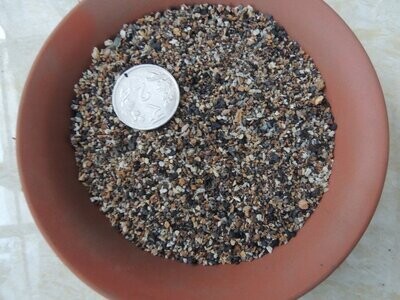
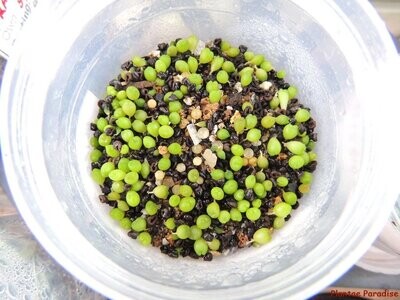
Cactus Seed Planting Mix
Cactus Seed Planting Mix
Sterile, Fine-Grain Media for Cactus & Succulent Seeds
SKU MNS005
₹74.85
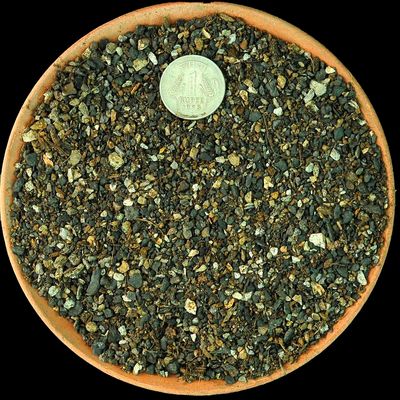
FORTIFIED Cactus & Succulent SOIL (FINE)
FORTIFIED Cactus & Succulent SOIL (FINE)
SKU MNS002
5.0
(4)
₹49.85
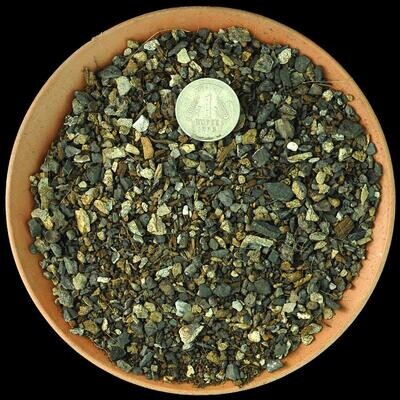
FORTIFIED Cactus & Succulent SOIL (COARSE)
FORTIFIED Cactus & Succulent SOIL (COARSE)
SKU MNS004
5.0
(11)
₹54.85
New
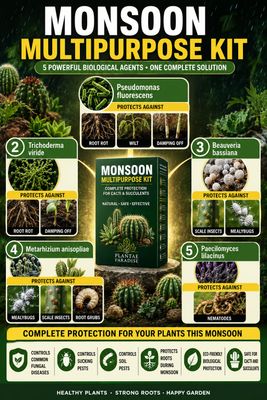
Monsoon Guardian Kit (5 in 1)
Monsoon Guardian Kit (5 in 1)
Complete 5-in-1 biological protection kit for cacti & succulents
SKU MNS024
₹850.00
Display prices in:INR
