
Categories
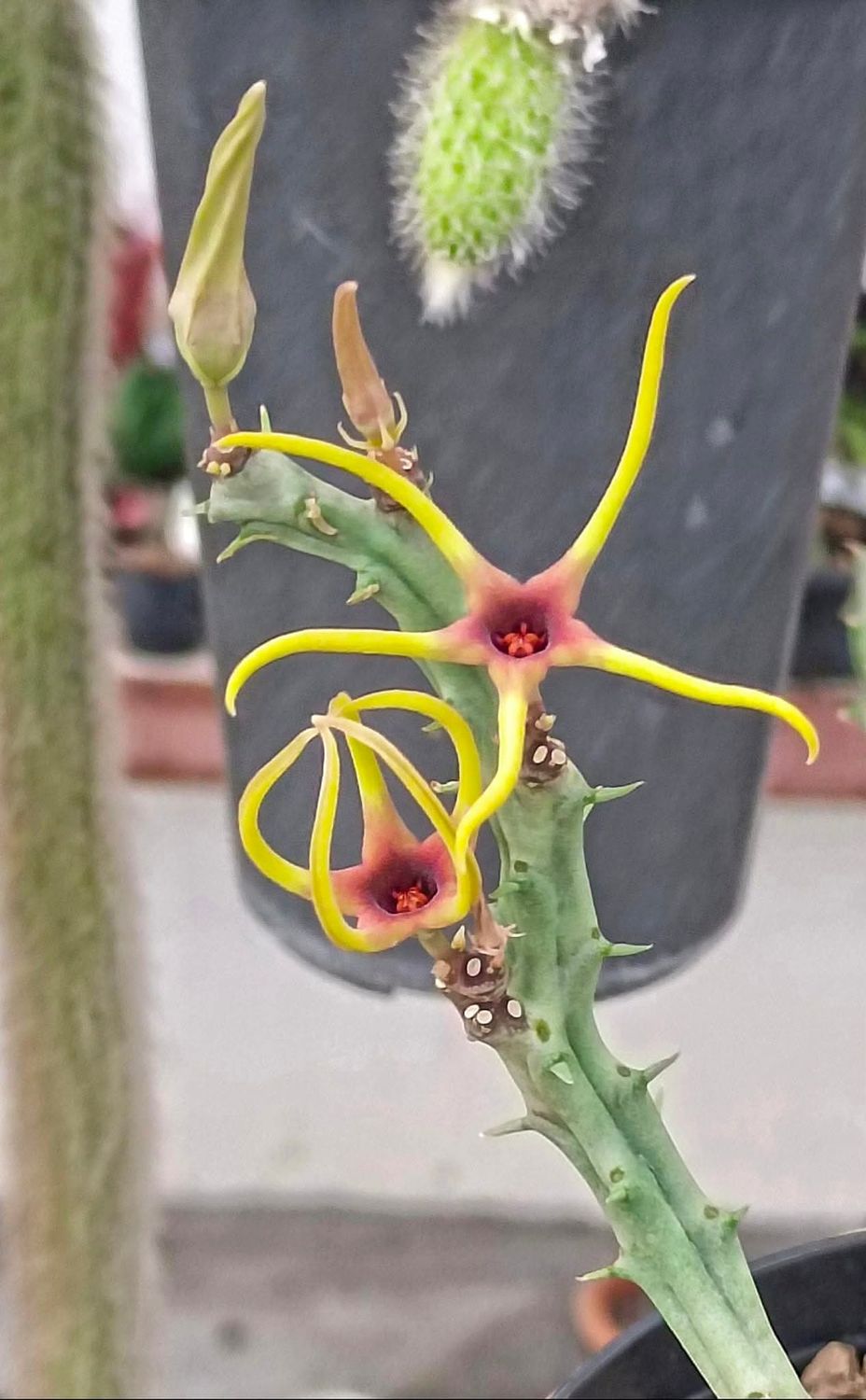
Orbea lugardii 'Botswana'
SKU ASC094
₹200.00
Sold out
Sold out
Save this product for later
Customer reviews
Reviews only from verified customers
No reviews yet. You can buy this product and be the first to leave a review.
Orbea lugardii 'Botswana'
Product Details
Geometric Excellence: Orbea lugardii 'Botswana'
An exquisite stapeliad featuring intricate, star-shaped blooms and architectural stems for the specialist succulent enthusiast.
- Origin & History of Name: The genus name Orbea is derived from the Latin orbis, referring to the prominent raised central ring, or annulus, found in the flowers of many species.
The specific epithet lugardii honors Major Edward James Lugard, a British army officer and plant collector who discovered the species in the late 19th century while stationed in the Bechuanaland Protectorate (modern-day Botswana). - Morphology: This succulent features decumbent, four-angled stems with a matte green to reddish epidermis depending on light stress. The stems are lined with prominent, spreading tubercle teeth (modified leaf bases).
Its most striking feature is the inflorescence: a five-lobed, coralline to chocolate-hued flower with a velvety texture and a distinct corona structure at the center, designed to mimic organic matter to attract specific pollinators. - Habitat & Origin: This is a wild species native to the arid regions of Southern Africa, with this specific locality originating from Botswana.
It thrives in the semi-shade of scrub bushes in the Kalahari basin. Our specimens are produced through sustainable ex-situ cultivation, ensuring no disruption to wild populations or their fragile desert ecosystems. - Cultivation Profile:
- Substrate: Requires a highly porous, coarse mineral-based mix. Use a blend of 60% volcanic rock or grit and 40% well-aged compost. Avoid heavy clay soils common in the Indian plains.
- Light: Thrives in bright, indirect light or dappled sunlight. In the Indian subcontinent, protection from the harsh 12:00 PM – 4:00 PM sun is vital to prevent epidermal scorching.
- Water/Dormancy: Water thoroughly during the summer growing season, allowing the medium to dry completely between cycles. During the monsoon, ensure high ventilation to prevent fungal rot. Reduce water significantly in winter to respect its natural rest period.
- Scientific/Historical Anecdote: Orbea lugardii belongs to the tribe Stapelieae, often called "carrion flowers." These plants have evolved a sophisticated biological strategy known as sapromyiophily, where they emit odors resembling decaying matter to trick flies into acting as pollinators. Unlike some of its more pungent relatives, O. lugardii is noted for having a relatively mild scent, making it a more versatile choice for indoor collections.
You May Also Like
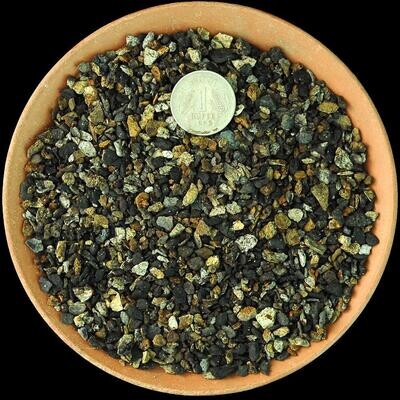
Cactus & Succulent Planting Mix COARSE (aka Cactus Soil Mix or Succulent Soil Mix)
Cactus & Succulent Planting Mix COARSE (aka Cactus Soil Mix or Succulent Soil Mix)
Washed, Free-Draining Mineral Mix for Cactus & Succulents
SKU MNS003
5.0
(1)
₹44.85
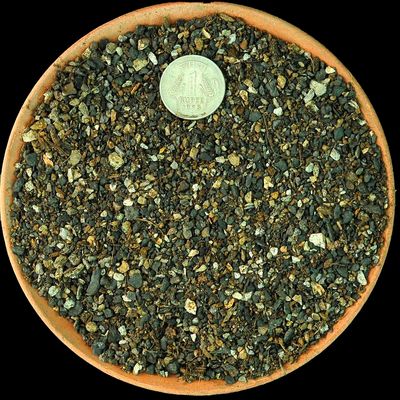
FORTIFIED Cactus & Succulent SOIL (FINE)
FORTIFIED Cactus & Succulent SOIL (FINE)
SKU MNS002
5.0
(4)
₹49.85
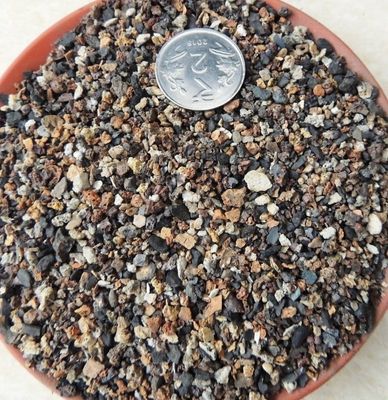
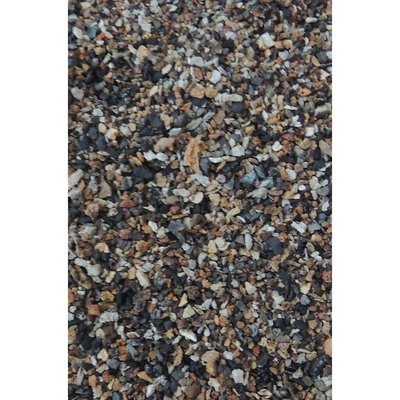
Cactus & Succulent Planting Mix FINE (aka Cactus Soil Mix or Succulent Soil Mix)
Cactus & Succulent Planting Mix FINE (aka Cactus Soil Mix or Succulent Soil Mix)
Fine-Grain Potting Mix for Cactus & Succulent Roots
SKU MNS001
5.0
(3)
₹39.85
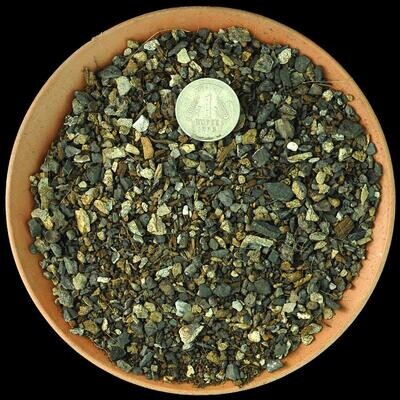
FORTIFIED Cactus & Succulent SOIL (COARSE)
FORTIFIED Cactus & Succulent SOIL (COARSE)
SKU MNS004
5.0
(11)
₹54.85
Display prices in:INR
