
Categories
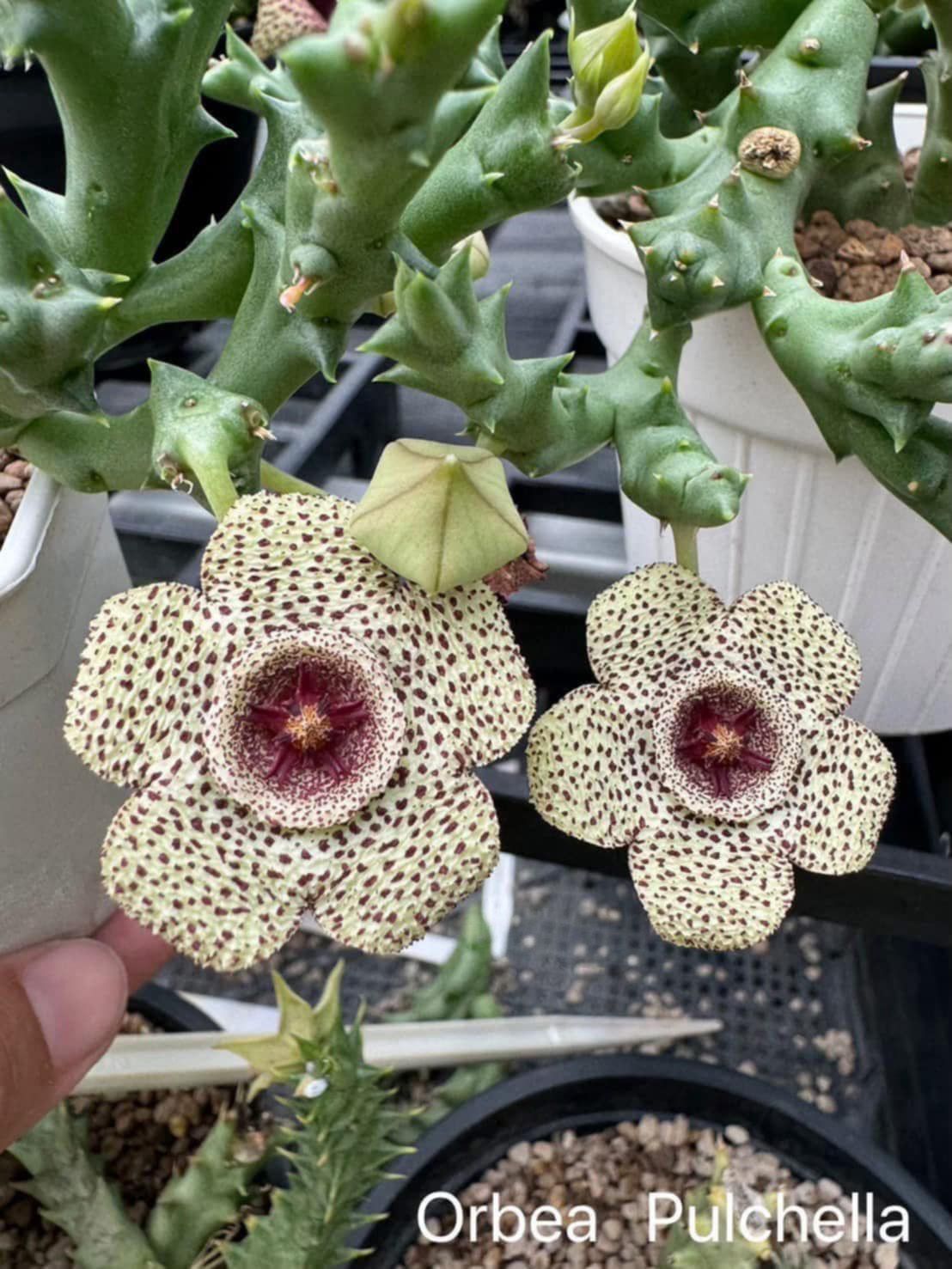
Orbea pulchella
SKU ASC089
₹200.00
Sold out
Sold out
Save this product for later
Customer reviews
Reviews only from verified customers
No reviews yet. You can buy this product and be the first to leave a review.
Orbea pulchella
Product Details
Star-Patterned Radiance: Orbea pulchella
A compact gem for the succulent connoisseur, prized for its intricately patterned, sulfur-yellow corollas and geometric stem architecture.
- Origin & History of Name: The genus name Orbea is derived from the Latin orbis, meaning "circle" or "disk," referring to the prominent raised central ring (annulus) found on the flowers of most species.
The specific epithet pulchella is the Latin diminutive for "beautiful" or "charming." Historically, this species was classified under Stapelia before being reassigned to Orbea following a taxonomic revision by botanists focusing on the distinct floral morphology of the Stapeliinae subtribe. - Morphology: This succulent features decumbent, four-angled stems with a smooth, mottled green epidermis.
The stems are lined with prominent, spreading tubercles (tooth-like projections) rather than traditional leaves. Its most striking feature is the star-shaped flower, characterized by a rugose surface texture and a distinct annulus at the center. Unlike many relatives, O. pulchella produces numerous flowers simultaneously, creating a high-contrast display against its succulent base. - Habitat & Origin: Orbea pulchella is a wild species endemic to the summer-rainfall regions of South Africa, specifically within the KwaZulu-Natal province. It typically grows in the transition zones between rocky outcrops and scrubland. Our specimens are nursery-propagated via stem cuttings or seed to ensure the protection of wild populations and adhere to sustainable trade practices.
- Cultivation Profile:
- Substrate: Requires a highly porous, mineral-based mix. A blend of 60% coarse grit (pumice or volcanic rock) and 40% well-decomposed organic matter is ideal for the Indian subcontinent to prevent basal rot.
- Light: Thrives in bright, indirect light. In India, provide morning sun but protect from the harsh afternoon UV rays of the Deccan or Northern plains to prevent scorching of the epidermis.
- Water/Dormancy: Follow a strict seasonal watering regime. Maintain moderate moisture during the hot summer months; however, reduce water significantly during the high-humidity monsoon. In winter, the plant enters a semi-dormancy period and should be kept almost dry to simulate its native cool, dry winters.
- Scientific/Historical Anecdote: Orbea species utilize a unique pollination strategy known as myophily. The flowers often emit a faint organic scent to attract carrion flies.
The flies, deceived by the flower's appearance and aroma, inadvertently pick up pollinia (sticky pollen masses) on their bodies, facilitating the complex reproductive cycle of these "carrion flowers."
You May Also Like
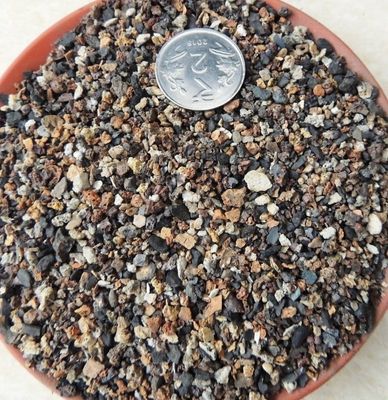
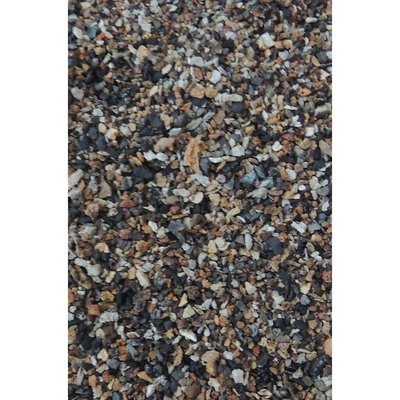
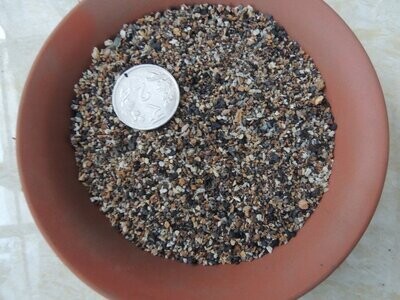
Cactus & Succulent Planting Mix FINE (aka Cactus Soil Mix or Succulent Soil Mix)
Cactus & Succulent Planting Mix FINE (aka Cactus Soil Mix or Succulent Soil Mix)
Fine-Grain Potting Mix for Cactus & Succulent Roots
SKU MNS001
5.0
(3)
₹39.85
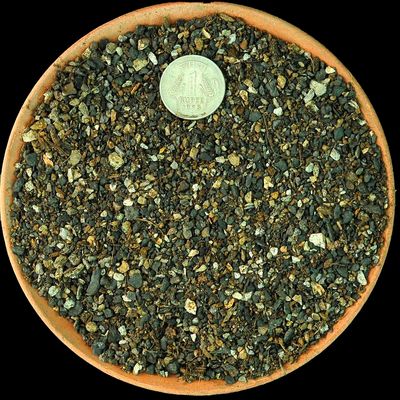
FORTIFIED Cactus & Succulent SOIL (FINE)
FORTIFIED Cactus & Succulent SOIL (FINE)
SKU MNS002
5.0
(4)
₹49.85
Cactus Seed Planting Mix
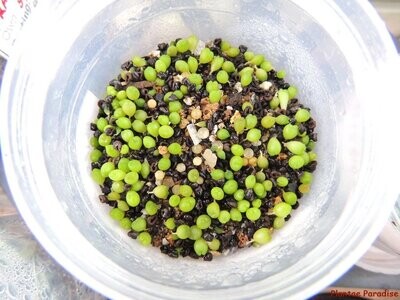
Cactus Seed Planting Mix
Sterile, Fine-Grain Media for Cactus & Succulent Seeds
SKU MNS005
₹74.85
Cactus & Succulent Planting Mix COARSE (aka Cactus Soil Mix or Succulent Soil Mix)
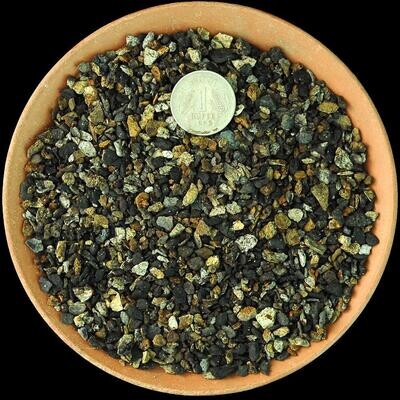
Cactus & Succulent Planting Mix COARSE (aka Cactus Soil Mix or Succulent Soil Mix)
Washed, Free-Draining Mineral Mix for Cactus & Succulents
SKU MNS003
5.0
(1)
₹44.85
Display prices in:INR
