
Categories
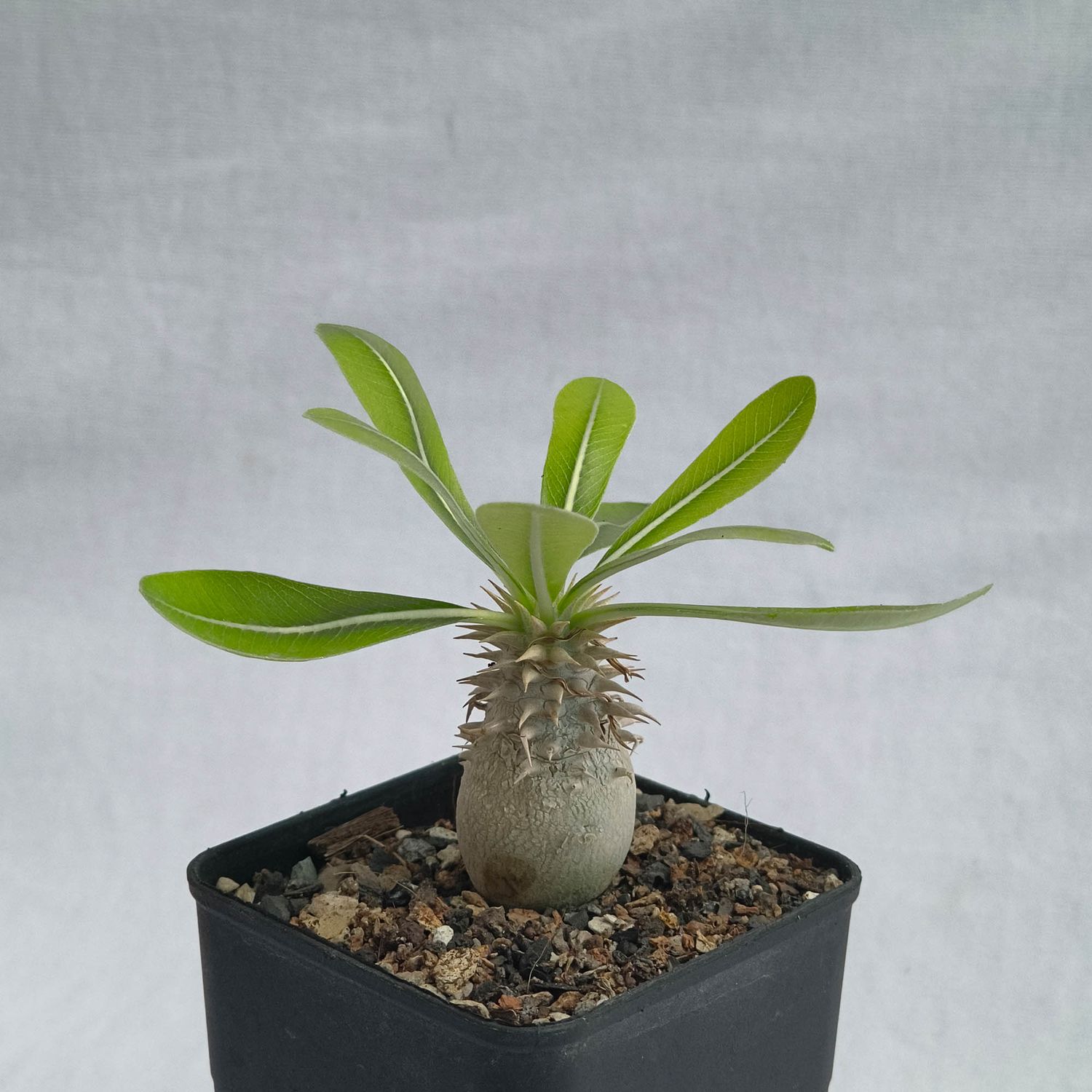
Pachypodium densiflorum var. brevicalyx
SKU PA035B
₹840.00
Sold out
Sold out
Save this product for later
Customer reviews
Reviews only from verified customers
No reviews yet. You can buy this product and be the first to leave a review.
Pachypodium densiflorum var. brevicalyx
Product Details
Sculptural Elegance: Pachypodium densiflorum var. brevicalyx
A premier pachycaul specimen prized for its compact, silver-toned caudex and prolific golden inflorescence.
- Origin & History of Name: The genus name Pachypodium combines the Greek pachys (thick) and podion (foot), describing the distinctive swollen base. The specific epithet densiflorum refers to its "densely clustered flowers," while the variety name brevicalyx—derived from Latin brevis (short) and calyx (the outer whorl of a flower)—distinguishes this plant by its notably shorter floral tube compared to the type species.
- Morphology: This variety is a pachycaul succulent characterized by a globose, water-storing trunk (caudex) covered in a smooth, silver-grey epidermis. It features a dense arrangement of conical spines on its branches. Unlike the standard species, brevicalyx maintains a more stunted, compact growth habit and produces bright yellow flowers with a significantly reduced calyx, creating a more "open" floral appearance.
- Habitat & Origin: This is a naturally occurring wild variety endemic to the granite outcrops of central Madagascar. It grows in exposed, rocky lithosols where it has evolved to withstand intense solar radiation. Our specimens are produced via sustainable ex-situ cultivation to prevent the poaching of wild Madagascan populations.
- Cultivation Profile:
- Substrate: Use a strictly mineral-based mix (70% inorganic) consisting of pumice, perlite, and coarse silica sand to ensure rapid drainage.
- Light: Full sun is mandatory. In the Indian subcontinent, provide at least 6–8 hours of direct sunlight to maintain a compact, sculptural form and prevent "stretching."
- Water/Dormancy: Water deeply during the hot growing season (March–September) only when the medium is bone-dry. During the winter dormancy or the peak of the monsoon, withhold water almost entirely to prevent caudex rot in high humidity.
- Scientific/Historical Anecdote: Pachypodiums belong to the Apocynaceae family, the same family as Plumeria and Oleander. Historically, the toxic sap (alkaloids) found within the genus was used by indigenous groups in Africa and Madagascar to create poisoned arrows for hunting, a stark biological contrast to the plant's delicate and highly sought-after ornamental flowers.
You May Also Like
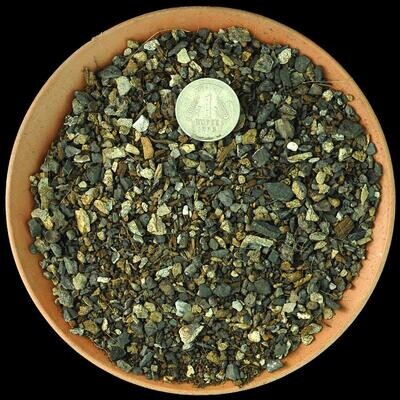
FORTIFIED Cactus & Succulent SOIL (COARSE)
FORTIFIED Cactus & Succulent SOIL (COARSE)
SKU MNS004
5.0
(11)
₹54.85


Cactus & Succulent Planting Mix FINE (aka Cactus Soil Mix or Succulent Soil Mix)
Cactus & Succulent Planting Mix FINE (aka Cactus Soil Mix or Succulent Soil Mix)
Fine-Grain Potting Mix for Cactus & Succulent Roots
SKU MNS001
5.0
(3)
₹39.85
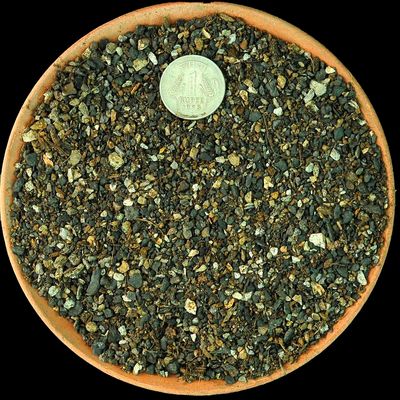
FORTIFIED Cactus & Succulent SOIL (FINE)
FORTIFIED Cactus & Succulent SOIL (FINE)
SKU MNS002
5.0
(4)
₹49.85
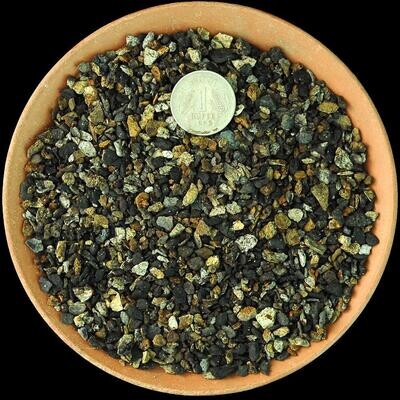
Cactus & Succulent Planting Mix COARSE (aka Cactus Soil Mix or Succulent Soil Mix)
Cactus & Succulent Planting Mix COARSE (aka Cactus Soil Mix or Succulent Soil Mix)
Washed, Free-Draining Mineral Mix for Cactus & Succulents
SKU MNS003
5.0
(1)
₹44.85
Display prices in:INR
