
Categories
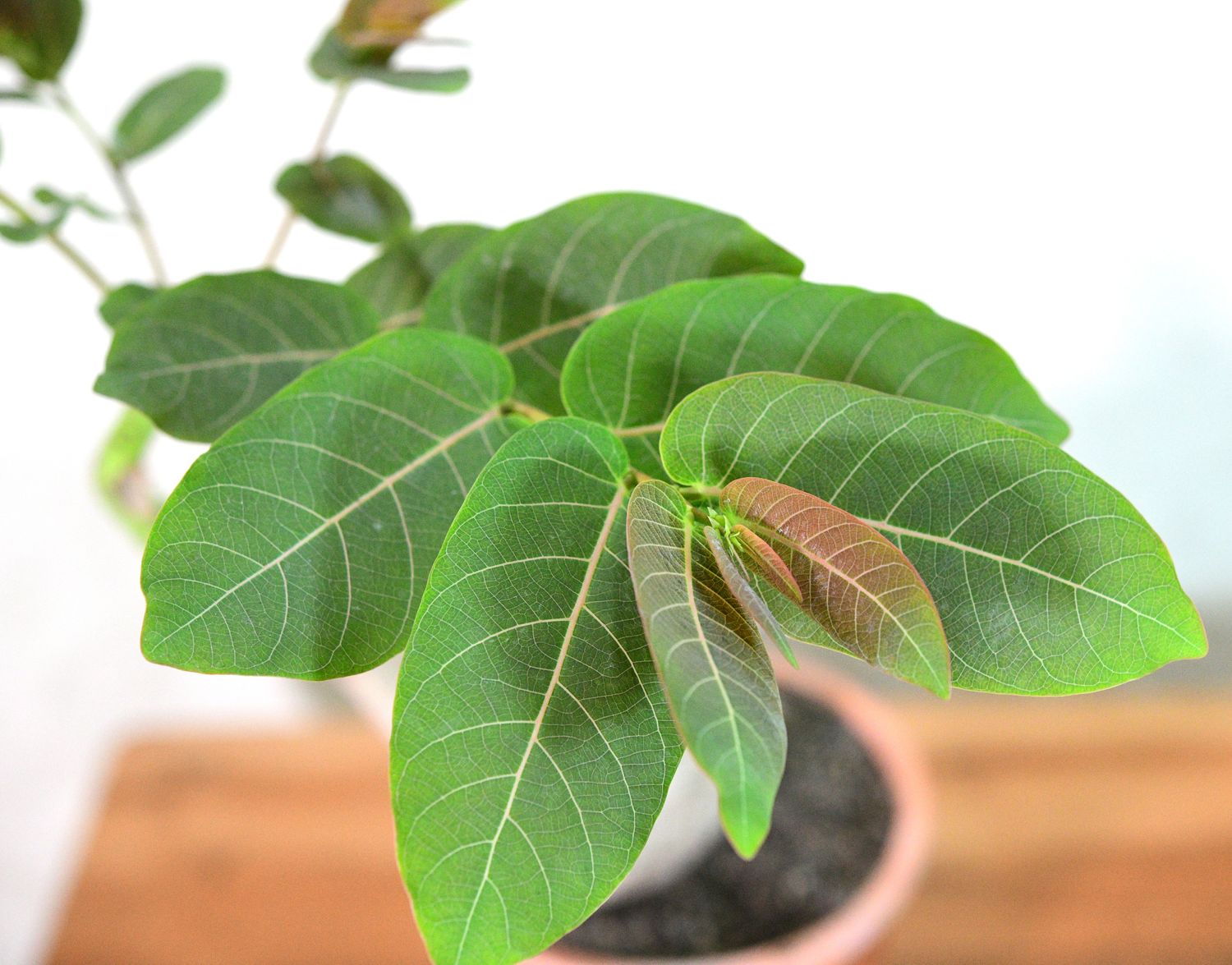
Phyllanthus mirabilis
SKU PA073
₹1 950.00
Sold out
Sold out
Save this product for later
Customer reviews
Reviews only from verified customers
No reviews yet. You can buy this product and be the first to leave a review.
Phyllanthus mirabilis
Product Details
Architectural Elegance: Phyllanthus mirabilis
A rare botanical masterpiece featuring nyctinastic foliage that folds in rhythmic synchronization with the day-night cycle.
1. Origin & History of Name
The genus name Phyllanthus is derived from the Greek words phyllon (leaf) and anthos (flower), referencing the genus's unique habit of producing flowers on the edges of leaf-like phylloclades. The specific epithet mirabilis translates from Latin as "wonderful" or "extraordinary."
2. Morphology
Phyllanthus mirabilis is the only succulent member of its genus. It develops a distinctive caudex—a swollen, woody base used for water storage—covered in a textured, papery epidermis.
3. Habitat & Origin
This is a wild species native to the karst limestone regions of Thailand, Laos, and Myanmar.
4. Cultivation Profile
Given the tropical and subtropical climate of the Indian subcontinent, this species thrives with specific attention to its dormancy cycle:
- Substrate: Use a strictly mineral-based mix. A ratio of 60% inorganic material (pumice, perlite, or crushed brick) to 40% organic matter ensures the rapid drainage necessary to prevent caudex rot during the monsoon.
- Light: High-intensity indirect light. In Indian summers, provide 50% shading to prevent leaf scorch, though the plant requires bright conditions to maintain its compact form.
- Water/Dormancy: Water thoroughly when the substrate is dry during the growing season (March–October). Note: This plant is deciduous.
When temperatures drop in winter, it will shed its leaves. Stop watering entirely during this dormancy to mimic its natural dry-season habitat.
5. Scientific/Historical Anecdote
The Phyllanthus genus is part of the family Phyllanthaceae, which was historically grouped with Euphorbiaceae.
Display prices in:INR
