
Categories
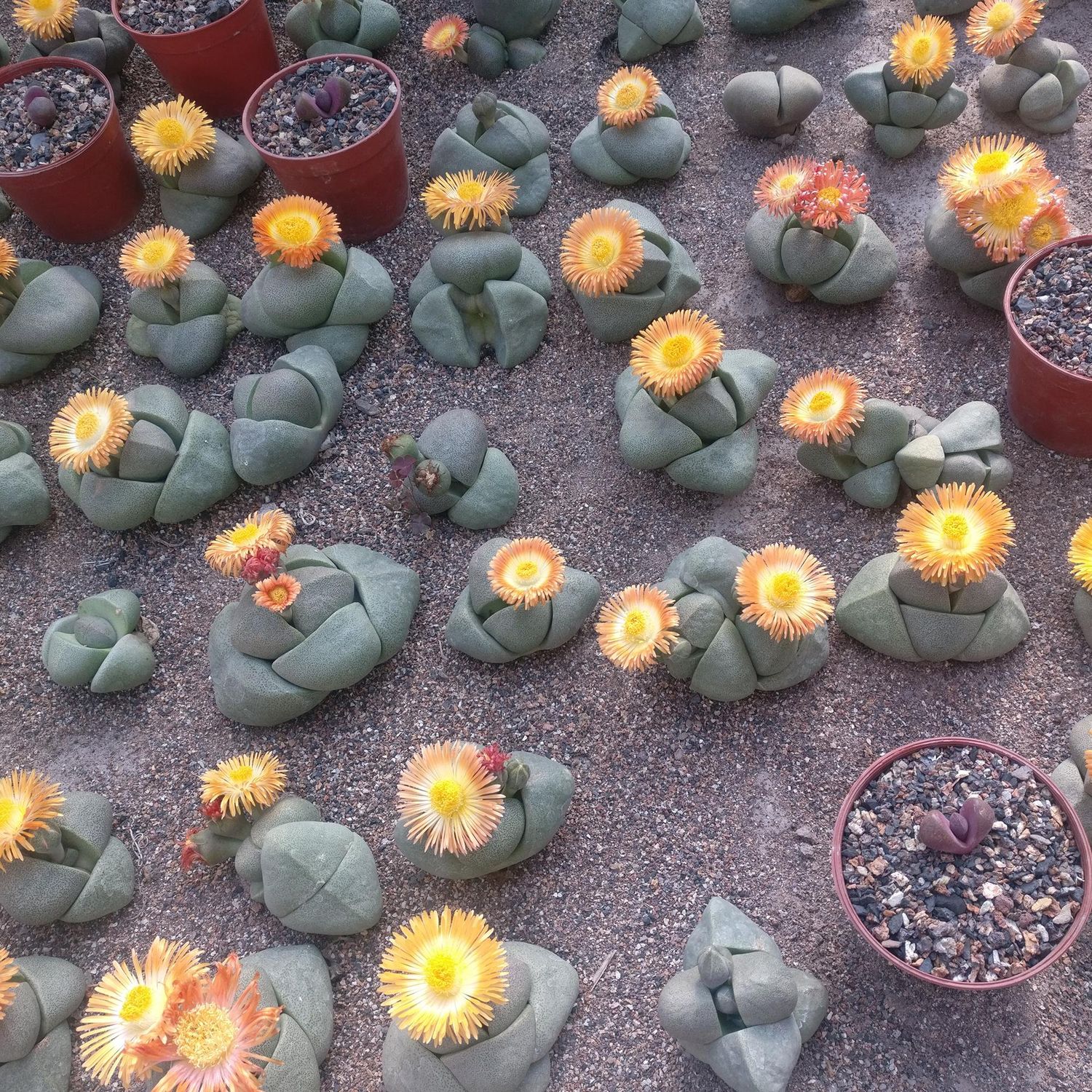
Pleispilos neeli
SKU MM017A
₹185.00
Sold out
Sold out
Save this product for later
Customer reviews
Reviews only from verified customers
No reviews yet. You can buy this product and be the first to leave a review.
Pleispilos neeli
Product Details
Step into a realm where botany meets geology, where life imitates art in the most astonishing way. The Pleiospilos nelii, often affectionately known as the "Split Rock" or "Living Rock," is a marvel of adaptation, perfectly camouflaged to blend with its stony surroundings. This extraordinary succulent offers a unique, minimalist beauty and a fascinating glimpse into nature's ingenious survival strategies, making it an irresistible addition for any discerning plant collector.
1. Origin of Name
The genus name, Pleiospilos, is derived from the Greek words "pleios" (many) and "spilos" (spot or dot), a clear and fitting description of the often-spotted or speckled surfaces of its leaves. The specific epithet, nelii, honors Adriaan Nel (1899-1951), a distinguished South African farmer and enthusiastic succulent collector. Nel was instrumental in the discovery and collection of many South African succulents, sharing his findings with botanists and contributing significantly to the understanding of this unique flora. It was formally described by Gustav Schwantes in 1927. This name pays tribute to his invaluable contributions to botany and the recognition of this plant as a distinct species. The common names "Split Rock" or "Living Rock" vividly describe its uncanny resemblance to stones, a testament to its remarkable camouflage.
2. Origin of Plant
Pleiospilos nelii is a fascinating endemic of the Karoo desert regions within the Eastern Cape Province of South Africa. Its natural habitat is characterized by extremely arid conditions, harsh sunlight, and rocky, gravelly soils. These plants are typically found growing nestled among stones on open plains or gentle slopes, where their remarkable mimicry allows them to blend almost perfectly with their surroundings. The discovery of such highly specialized desert succulents was part of the broader botanical exploration of South Africa in the late 19th and early 20th centuries, as European botanists and local enthusiasts like Adriaan Nel delved into the continent's unparalleled biodiversity, uncovering species uniquely adapted to some of the planet's most challenging environments.
3. Description
The Pleiospilos nelii is a master of disguise, forming a compact, stemless body that mimics the appearance of a cluster of gray-green, brownish-green, or sometimes reddish-brown stones. The plant typically consists of two to four thick, semi-globular to conical leaves that are fused at their base. A characteristic deep cleft or "split" runs down the center of the plant, from which new leaves and flowers emerge. The surface of the leaves is typically smooth, often adorned with numerous tiny, dark green to purplish spots or dots, further enhancing its rock-like appearance. A mature plant usually measures between 5-10 cm (2-4 inches) in diameter. In autumn or early winter, this "living rock" transforms with a dazzling display of large, daisy-like flowers, emerging directly from the central split. These vibrant blooms are typically bright orange or yellow, sometimes varying to a salmon or rare pinkish hue, and are often fragrant, opening in the afternoon and closing at night.
4. Conservation Status
Pleiospilos nelii is generally considered to be of Least Concern on the IUCN Red List of Threatened Species. While not endangered, its populations can be localized, and like many specialized succulents, it can be vulnerable to habitat disturbance from agriculture, development, and particularly to illegal collection for the horticultural trade due to its unique appearance. Responsible sourcing from cultivated plants helps protect wild populations and their fragile ecosystems. By growing nursery-propagated specimens, enthusiasts contribute to the conservation of this remarkable species.
5. Care
Caring for Pleiospilos nelii requires understanding its desert origins and specific growth cycle, especially concerning watering.
- Watering: This is the most crucial aspect. Pleiospilos nelii requires extremely infrequent watering. Only water when the outermost pair of leaves appear noticeably soft, shriveled, or slightly wrinkled. Avoid watering when a new pair of leaves is emerging from the central split, as the old leaves provide nourishment. Typically, this means watering only a few times a year – perhaps once or twice in spring, a little in autumn, and almost never in summer (dormancy) or winter. Overwatering is the quickest way to kill this plant.
- Soil: An exceptionally well-draining, gritty, mineral-rich cactus/succulent mix is essential. A blend containing a high proportion of pumice, perlite, coarse sand, and minimal organic matter will ensure rapid drainage.
- Light: Provide full sun to very bright indirect light. It thrives in intense light. In extremely hot climates, some afternoon shade might prevent scorching, but generally, the more light, the better for compact growth and flowering.
- Temperature: Prefers warm conditions during its growing periods. It is not frost-tolerant and must be protected from temperatures below 5°C (41°F).
- Tips: Use a shallow pot to encourage proper root development. Ensure excellent air circulation. The plant is very sensitive to fertilizer; use a very diluted, low-nitrogen fertilizer only once or twice during its active growth period, or not at all. Observe the plant; its leaves will tell you when it needs water.
6. Engaging Anecdote
The most captivating aspect of Pleiospilos nelii is its extraordinary strategy of mimicry, a defense mechanism so effective it earns its moniker "Living Rock." In the vast, barren landscapes of the Karoo, where succulent plants are a prized food source for various herbivores, blending in is not just an advantage – it's survival. The plant's shape, color, and even its speckled texture make it virtually indistinguishable from the surrounding stones. Imagine a botanist or a foraging animal trying to spot this succulent amidst a field of similar-looking pebbles; it's a game of "find the plant" where the plant usually wins. This incredible camouflage is coupled with an equally impressive ability to store water. Its thick, fleshy leaves act as natural reservoirs, allowing it to endure prolonged droughts. When new leaves emerge, they absorb moisture and nutrients from the old leaves, which then shrivel away, maintaining the plant's compact, rock-like form and preventing excess exposure. Owning a Pleiospilos nelii is like possessing a miniature, living geological puzzle, a silent testament to nature's boundless creativity and its relentless pursuit of survival against all odds.
You May Also Like
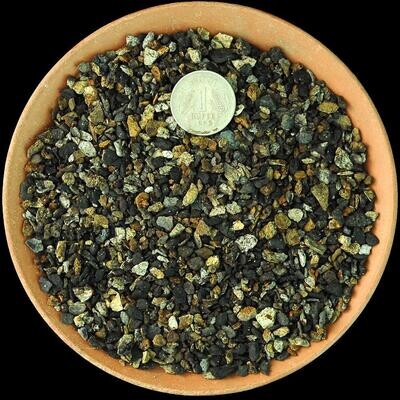
Cactus & Succulent Planting Mix COARSE (aka Cactus Soil Mix or Succulent Soil Mix)
Cactus & Succulent Planting Mix COARSE (aka Cactus Soil Mix or Succulent Soil Mix)
Washed, Free-Draining Mineral Mix for Cactus & Succulents
SKU MNS003
5.0
(1)
₹44.85
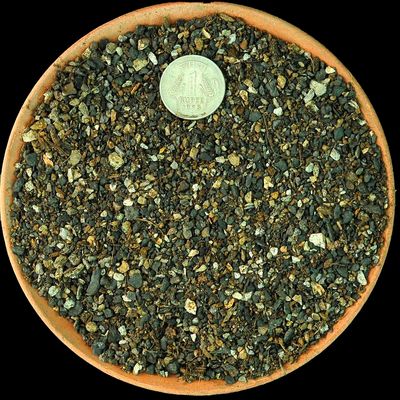
FORTIFIED Cactus & Succulent SOIL (FINE)
FORTIFIED Cactus & Succulent SOIL (FINE)
SKU MNS002
5.0
(4)
₹49.85
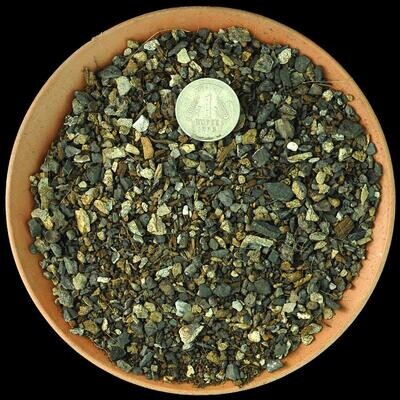
FORTIFIED Cactus & Succulent SOIL (COARSE)
FORTIFIED Cactus & Succulent SOIL (COARSE)
SKU MNS004
5.0
(12)
₹54.85
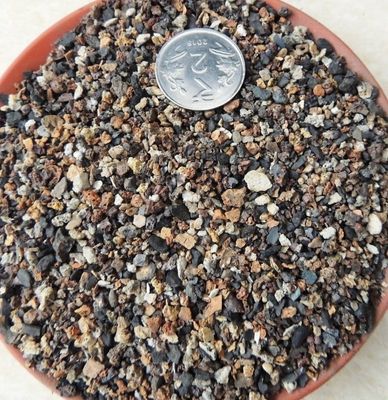
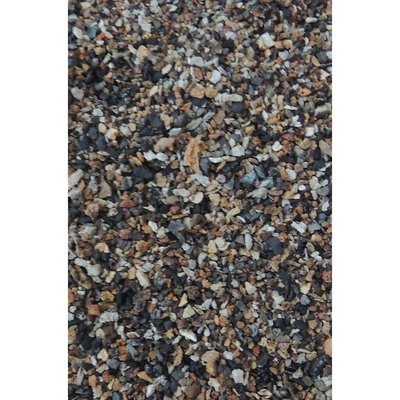
Cactus & Succulent Planting Mix FINE (aka Cactus Soil Mix or Succulent Soil Mix)
Cactus & Succulent Planting Mix FINE (aka Cactus Soil Mix or Succulent Soil Mix)
Fine-Grain Potting Mix for Cactus & Succulent Roots
SKU MNS001
5.0
(3)
₹39.85
Display prices in:INR
