
Categories
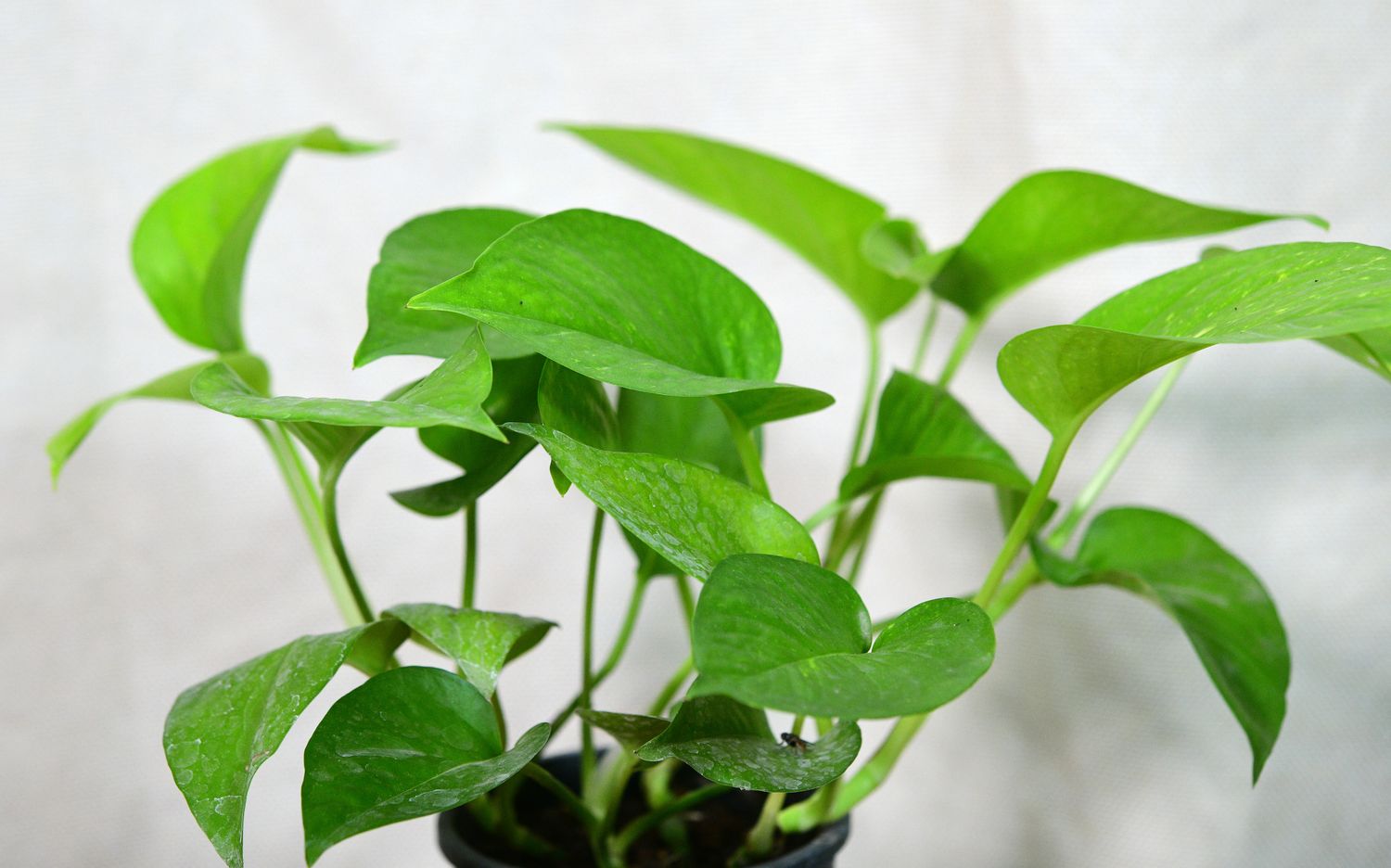
Pothos, Epipremnum aureum, Green Money Plant
SKU GG014
₹191.25
On Sale
List Price ₹225.00 Save 15%
A classic indoor plant loved for its resilience and lush greenery.
In stock: 15 available
1
Save this product for later
Customer reviews
Reviews only from verified customers
No reviews yet. You can buy this product and be the first to leave a review.
Pothos, Epipremnum aureum, Green Money Plant
Product Details
The Resilient Classic: Epipremnum aureum
A lush, air-purifying icon that brings timeless emerald elegance to any interior space.
- Origin & History of Name: The genus name Epipremnum is derived from the Greek words epi (upon) and premnon (stump), referring to its natural growth habit as an-epiphyte.
It was first described by botanist Guillaume Julien Adenet in the 19th century. Its common name, "Money Plant," stems from a widespread cultural belief in the Indian subcontinent and East Asia that the plant attracts financial prosperity and positive energy (Vastu Shastra). - Morphology: This vining species features cordate (heart-shaped) leaves with a waxy epidermis that minimizes water loss.
While the "Green" variety is prized for its solid chlorophyll density, the species is known for heterophylly, where leaf shape and size change dramatically as it climbs. In indoor settings, it maintains its juvenile form, characterized by smooth margins and entire (non-lobed) leaves. - Habitat & Origin: Epipremnum aureum is a wild species native to the Society Islands of French Polynesia.
It has naturalized globally in tropical climates. Our specimens are sustainably propagated via stem cuttings, ensuring no disruption to wild forest ecosystems while maintaining genetic vigor. - Cultivation Profile:
- Substrate: Use a well-draining mix of 50% coco-peat, 30% perlite or coarse sand, and 20% vermicompost to prevent root rot in humid Indian conditions.
- Light: Thrives in bright, indirect light; adapts to low light.
Avoid direct Indian summer afternoon sun, which can cause leaf scorch. - Water/Dormancy: Water when the top two inches of soil feel dry. Reduce frequency during the cooler months (December–February) as the plant enters a semi-dormant state and growth slows.
- Scientific/Historical Anecdote: Epipremnum aureum is often called "the shy flowerer." It is one of the few plants in the world that is considered "taxonomically asexual" in cultivation; it hasn't been observed flowering naturally since 1962. This is due to a genetic deficiency in the production of gibberellin, the hormone required for floral development.
You May Also Like
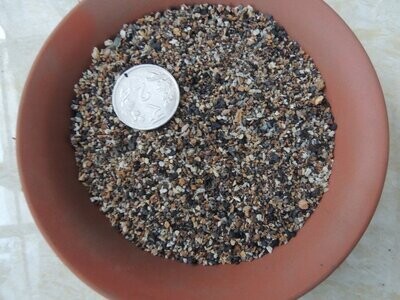
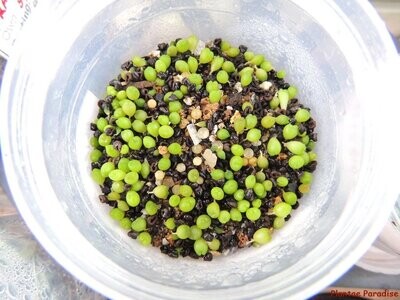
Cactus Seed Planting Mix
Cactus Seed Planting Mix
Sterile, Fine-Grain Media for Cactus & Succulent Seeds
SKU MNS005
₹74.85
New

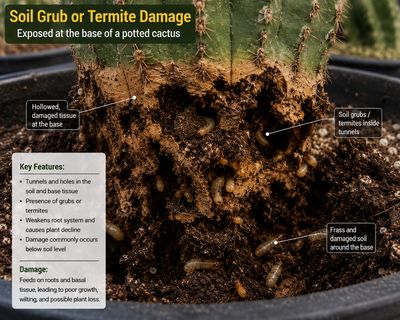
Monsoon Guardian Kit (5 in 1)
Monsoon Guardian Kit (5 in 1)
Complete 5-in-1 biological protection kit for cacti & succulents
SKU MNS024
₹850.00
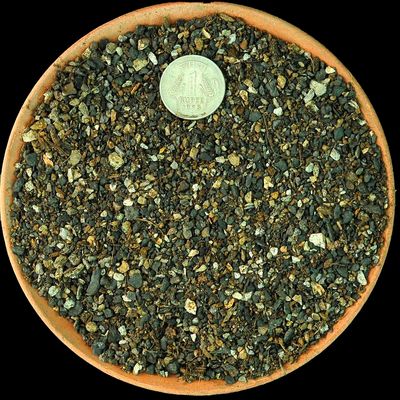
FORTIFIED Cactus & Succulent SOIL (FINE)
FORTIFIED Cactus & Succulent SOIL (FINE)
SKU MNS002
5.0
(4)
₹49.85
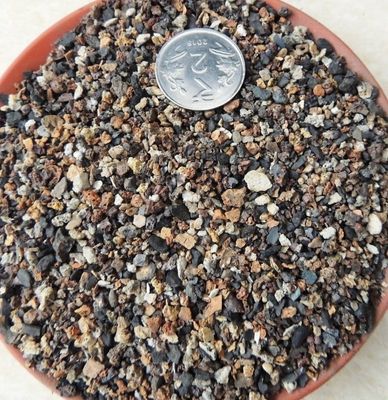

Cactus & Succulent Planting Mix FINE (aka Cactus Soil Mix or Succulent Soil Mix)
Cactus & Succulent Planting Mix FINE (aka Cactus Soil Mix or Succulent Soil Mix)
Fine-Grain Potting Mix for Cactus & Succulent Roots
SKU MNS001
5.0
(3)
₹39.85
Display prices in:INR
