
Categories
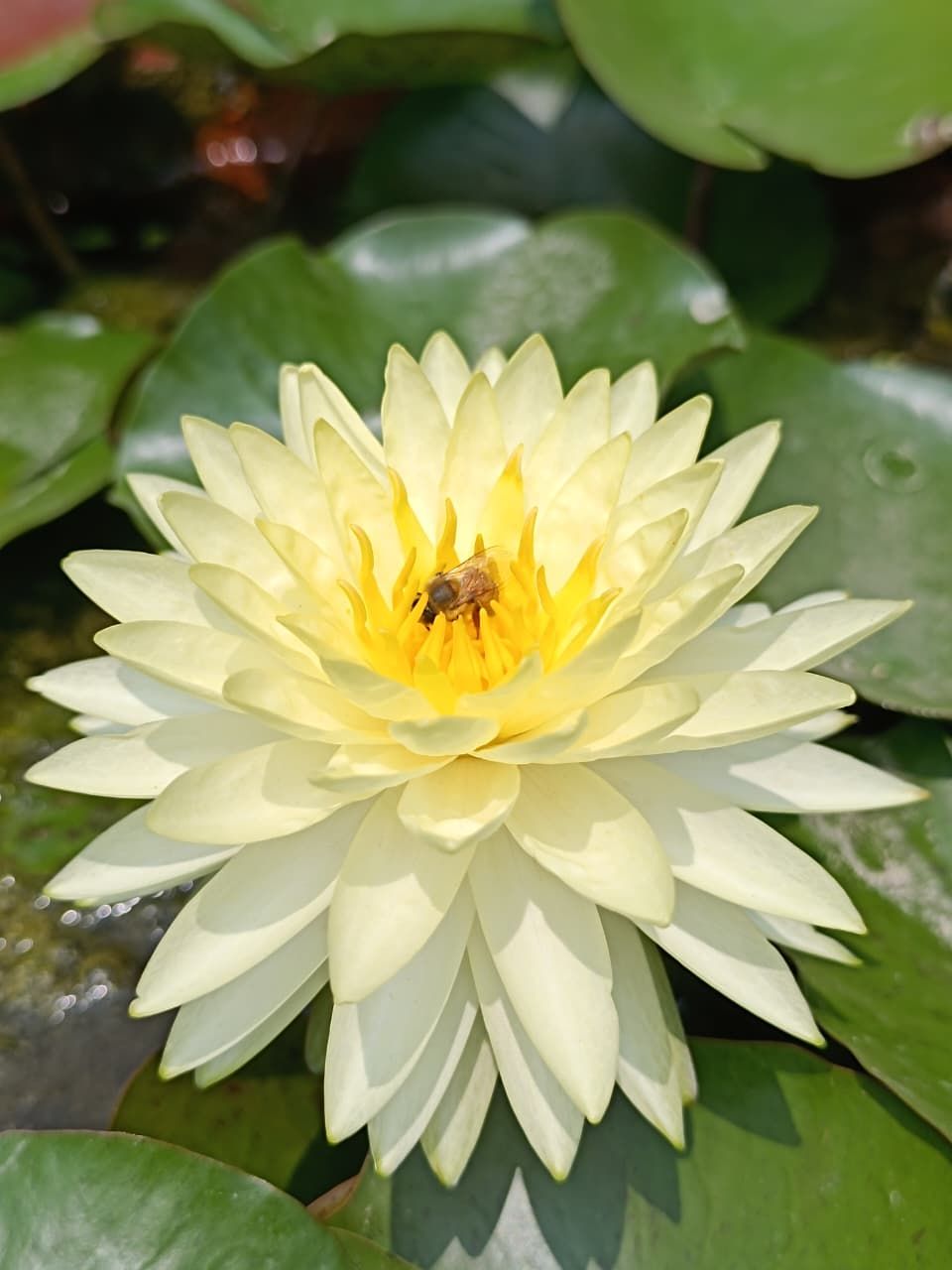
Puttaraksa ( Water Lilly) Nymphaea
SKU WL047
₹750.00
In stock: 2 available
1
Save this product for later
Customer reviews
Reviews only from verified customers
No reviews yet. You can buy this product and be the first to leave a review.
Puttaraksa ( Water Lilly) Nymphaea
Product Details
2 inch rhizome will be sent.
A dense, dahlia-like burst of pale butter-yellow petals deepens toward a glowing egg-yolk center, busy with pollen and — as pictured — an eager visiting bee. 'Puttaraksa' is a hardy water lily bred to bloom generously and often, its many-layered flowers resting flush on the water's surface among the pads rather than held aloft.
Origin of Name
The genus name Nymphaea traces back to the Greek nymphaia and, further still, to nymphē — "nymph" or "bride" — the water-dwelling spirits of Greek mythology that ancient writers associated with floating river and pond flowers long before botany existed as a formal discipline. Carl Linnaeus formalized Nymphaea as a genus in his 1753 Species Plantarum.
'Puttaraksa' is a modern cultivar name rather than a botanical one, bred by Thai hybridizer Pairote Thongnum and introduced in 2020, where it was recognized with first-place honors as a new hardy waterlily that year. Thailand has become one of the world's leading centers of ornamental water lily breeding over the past two decades, and Thai hybridizers regularly place at the top of international competitions with cultivars carrying Thai names — this one included. The name itself appears to combine Thai roots evoking "Buddha" (phut/putta) and "protect" or "preserve" (raksa), a name pattern common in Thai culture that carries a blessing-like, auspicious sense — fitting for a flower this generously floriferous, though as with many hobbyist and small-nursery cultivar names, no formally published record of the exact naming rationale exists in the wider literature.
Origin of Plant
Nymphaea is a genuinely global genus, with roughly 65 wild species growing in still and slow-moving fresh water across the tropics and temperate zones of Asia, Africa, the Americas, and Europe. 'Puttaraksa' belongs to the hardy group within that genus — bred from cold-tolerant lineages rather than the warm-climate tropical lines — and, like the wider run of modern hardy hybrids, has no wild habitat of its own; it exists only as a deliberately bred garden cultivar, propagated and distributed by division from the original cross.
Description
'Puttaraksa' produces a full, many-petaled, cup-to-star-shaped bloom in soft pale yellow, the outer petals cooling to a creamy near-white while the inner petals warm into a rich golden-yellow center packed with fine stamens — the same generous, layered look pictured here, with the flower resting flush on the water rather than raised above it on a tall stem, typical of hardy-type lilies. Flowers open in the morning and close by evening, and the variety has a reputation as an unusually free and prolific bloomer, producing successive flushes through the growing season on rounded, floating green pads. As with any multi-petaled water lily, the exact number of petals and their arrangement can vary somewhat from bloom to bloom.
Conservation Status
As a modern, deliberately bred cultivar, 'Puttaraksa' has no individual IUCN Red List status — it exists purely in cultivation and, propagated by division, poses no risk of naturalizing or spreading uncontrolled. The wider Nymphaea genus includes a number of geographically restricted wild species under real conservation pressure, but this hardy hybrid is a purely horticultural plant with no bearing on wild populations.
Care
- Light: Full sun — at least 6 hours of direct light daily for the best flowering; too much shade will noticeably reduce bloom production.
- Water & Planting Depth: Set the rhizome in a planting basket at the bottom of a pond or large water container, with roughly 15–45 cm (6–18 in) of water over the crown — shallower than most tropical types.
- Soil: Heavy aquatic planting soil or garden loam in a mesh basket, topped with pea gravel to keep it in place.
- Temperature: A true hardy type — tolerant of cold winters where the root system sits below the pond's freeze line, allowing the plant to overwinter in place in most temperate climates rather than needing to be lifted indoors.
- Feeding & Maintenance: Feed every 2–3 weeks through the growing season with aquatic fertilizer tablets pushed into the soil near the roots. Deadhead spent blooms and trim yellowing pads regularly to keep the plant tidy and encourage continued flowering.
A Story Worth Telling
Water lily breeding has quietly become a Thai specialty over the last two decades, with hybridizers across the country submitting new crosses to international competitions almost every year and regularly taking top honors in both the hardy and tropical categories. 'Puttaraksa' is part of that wave — one of many prize-winning cultivars to emerge from Thai breeding programs and carry a Thai name into gardens and ponds worldwide, a reminder that a flower this polished and prolific is often the product of years of patient, deliberate selection by a single dedicated hybridizer rather than a chance discovery.
You May Also Like
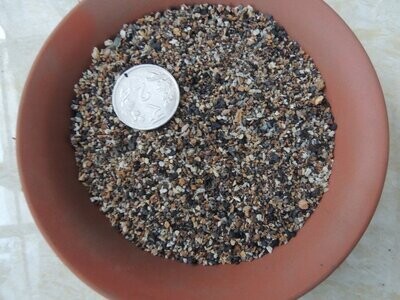
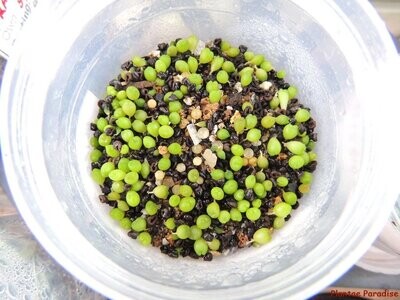
Cactus Seed Planting Mix
Cactus Seed Planting Mix
Sterile, Fine-Grain Media for Cactus & Succulent Seeds
SKU MNS005
₹74.85
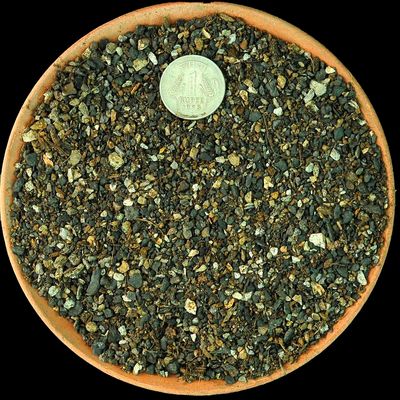
FORTIFIED Cactus & Succulent SOIL (FINE)
FORTIFIED Cactus & Succulent SOIL (FINE)
SKU MNS002
5.0
(4)
₹49.85
New


Monsoon Guardian Kit (5 in 1)
Monsoon Guardian Kit (5 in 1)
Complete 5-in-1 biological protection kit for cacti & succulents
SKU MNS024
₹850.00
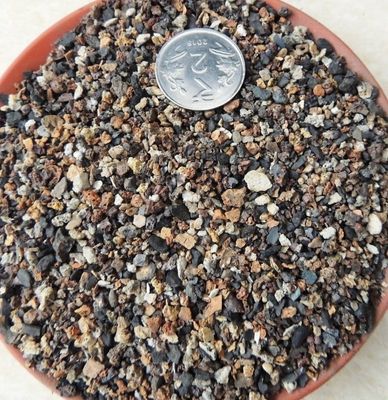

Cactus & Succulent Planting Mix FINE (aka Cactus Soil Mix or Succulent Soil Mix)
Cactus & Succulent Planting Mix FINE (aka Cactus Soil Mix or Succulent Soil Mix)
Fine-Grain Potting Mix for Cactus & Succulent Roots
SKU MNS001
5.0
(3)
₹39.85
Display prices in:INR
