
Categories
Rhipsalis ewaldiana
SKU RS001
₹350.00
In stock: 1 available
1
Save this product for later
Customer reviews
Reviews only from verified customers
No reviews yet. You can buy this product and be the first to leave a review.
Rhipsalis ewaldiana
Product Details
Rhipsalis ewaldiana (Mistletoe Cactus)
A finely textured, cascading epiphytic cactus with delicate, mostly three-angled stems that spill gracefully over the rim of a hanging pot — spineless, soft to the touch, and a world away from the desert cacti most people picture. This is one of the more recently described members of the Rhipsalis family, a plant whose very existence in the wild was a mystery for over twenty years after it was first named. Easy to grow in bright, indirect light, it's a graceful choice for a hanging basket where its trailing stems can do what they do best.
Origin of Name
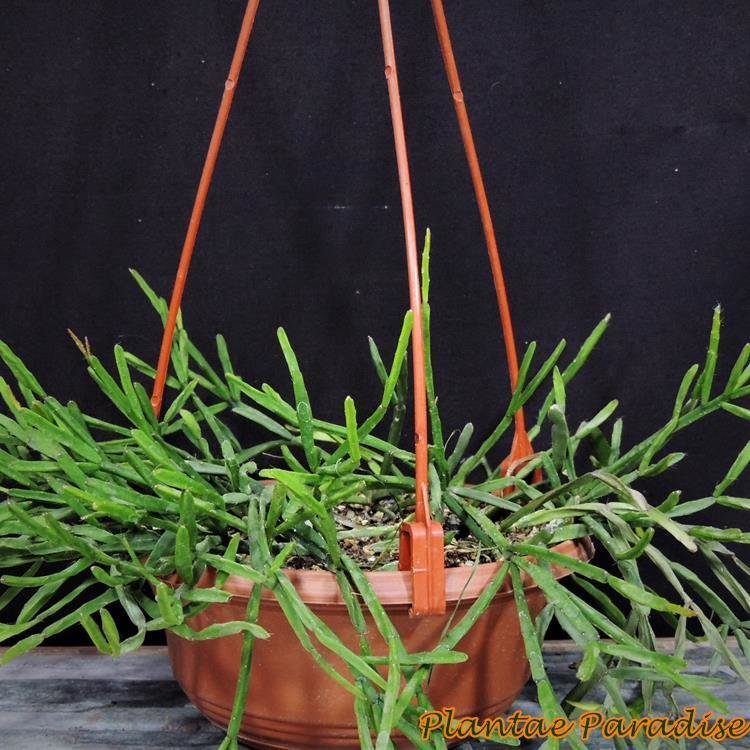
The genus name Rhipsalis comes from the ancient Greek word for "wickerwork," describing the way this cactus family's many slender, intertwining stems weave together into a loose, basket-like tangle — a fitting description for the plant pictured here, its stems spilling in every direction from the pot.
The species epithet ewaldiana honors Ernst Ewald of Hamburg, an enthusiastic amateur collector of epiphytic cacti who, sometime before the mid-1990s, recognized an unusual plant in cultivation and passed it along to researchers at the University of Bonn for formal study. It was described as a new species in 1995 by German botanist Wilhelm Barthlott and British cactus taxonomist Nigel P. Taylor, published in the specialist journal Bradleya — named, in classic botanical fashion, after the collector whose sharp eye brought it to scientific attention rather than after any explorer or expedition.
Origin of Plant
This is where the story gets unusual: when Barthlott and Taylor first described Rhipsalis ewaldiana, they were working entirely from cultivated material of uncertain origin, tentatively traced back to a nursery along the road between Teresópolis and Nova Friburgo in Rio de Janeiro state, Brazil — likely sourced from the nearby Serra dos Órgãos mountains. For more than two decades afterward, no herbarium specimen or confirmed wild sighting of the plant existed anywhere, making it, in effect, a species known to science only through a handful of cultivated cuttings passed among collectors. It wasn't until researchers formally documented living wild populations in Brazil's Atlantic Forest that the species was properly "rediscovered," confirming it as a genuine, narrowly endemic wild plant rather than simply a horticultural curiosity — and revealing it to be a threatened species in need of conservation attention.
Description
A trailing, spineless epiphytic cactus with distinctly dimorphic stems: long primary stem segments up to 60 cm long and just 4–5 mm across, from which shorter, mostly three-angled secondary segments 3–6 cm long branch off — giving the plant its fine, almost fern-like texture, visible in the dense curtain of slender stems cascading from this hanging pot. Small flowers appear reddish in bud before opening white, around 14–20 mm across, followed by small pinkish berries roughly 8 mm in diameter — the "mistletoe" fruit typical of the genus. In the wild it grows as an epiphyte, rooting into pockets of moss and leaf litter on tree branches within humid Atlantic Forest habitat.
Conservation Status
Rhipsalis ewaldiana is considered a threatened, narrowly endemic species restricted to Brazil's Atlantic Forest — one of the most heavily cleared biomes on the planet, with only a small fraction of its original extent still standing. Its rediscovery in the wild decades after its original description, following years when it was known only from cultivated stock, underscores just how easily a rare, slow-spreading epiphyte can slip under the radar in a fragmented, shrinking habitat. Choosing nursery-propagated plants like this one keeps pressure off what wild populations remain.
Care
Light: Bright, indirect light suits it best; morning sun with afternoon shade is ideal, as direct afternoon sun can scorch or yellow the thin stems. Keep it back a little from strong, sun-drenched windows.
Watering: Water regularly through the growing season, letting the topsoil dry slightly between waterings — this is not a drought-tolerant desert cactus, and its fine stems dry out faster than those of sturdier Rhipsalis relatives, especially in shallow pots. Ease off in winter.
Soil: A loose, well-draining, humus-rich epiphytic mix — orchid bark blended with a standard cactus or potting soil — mirrors the leaf litter it would root into in the wild.
Temperature: Prefers warm, humid conditions and should be kept above roughly 10°C (50°F); it isn't frost-hardy and does best in USDA zones 10a–11b or as a protected houseplant elsewhere.
General tips: A natural for a hanging basket, where its long, trailing stems can cascade freely rather than being trained upright. Water a touch more attentively than you would sturdier Rhipsalis species, given how quickly its slender stems and shallow root run can dry out.
An Interesting Note
For roughly two decades after it was named, Rhipsalis ewaldiana existed, as far as science was concerned, only in cultivation — a named species with no confirmed wild population, no herbarium specimen, and no known location beyond a vague trail back to a Brazilian roadside nursery. It's a strange kind of botanical limbo: a plant real enough to have a scientific name and a place in collectors' greenhouses across Europe, yet effectively a ghost in its own native forest until researchers finally tracked down and documented it growing wild. Few houseplants carry that particular story — of being better known in living rooms than in the habitat it actually came from.
You May Also Like
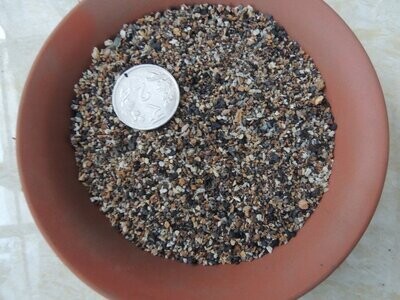
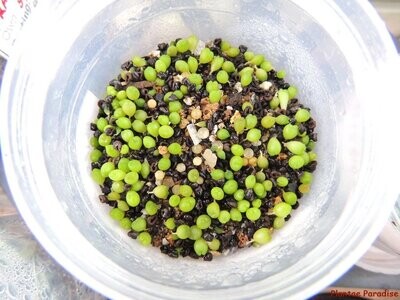
Cactus Seed Planting Mix
Cactus Seed Planting Mix
Sterile, Fine-Grain Media for Cactus & Succulent Seeds
SKU MNS005
₹74.85
New
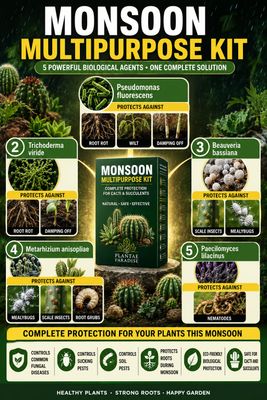
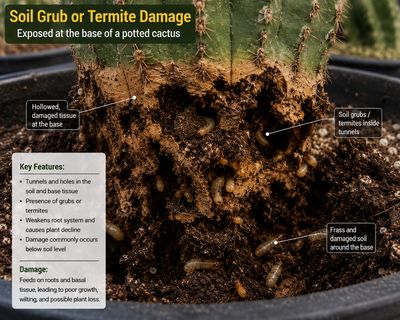
Monsoon Guardian Kit (5 in 1)
Monsoon Guardian Kit (5 in 1)
Complete 5-in-1 biological protection kit for cacti & succulents
SKU MNS024
₹850.00
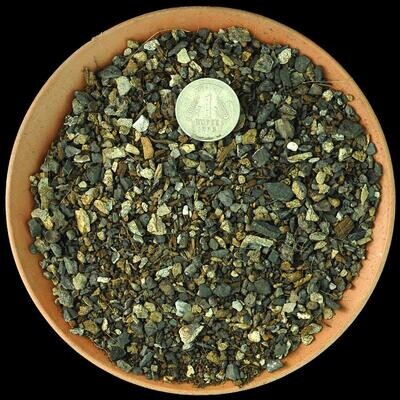
FORTIFIED Cactus & Succulent SOIL (COARSE)
FORTIFIED Cactus & Succulent SOIL (COARSE)
SKU MNS004
5.0
(11)
₹54.85
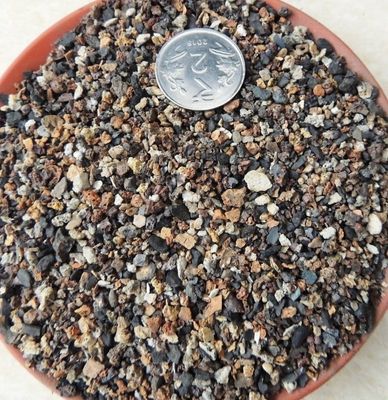
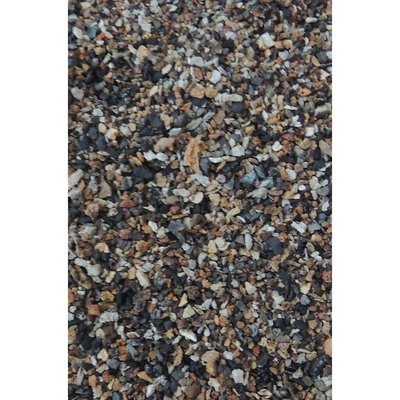
Cactus & Succulent Planting Mix FINE (aka Cactus Soil Mix or Succulent Soil Mix)
Cactus & Succulent Planting Mix FINE (aka Cactus Soil Mix or Succulent Soil Mix)
Fine-Grain Potting Mix for Cactus & Succulent Roots
SKU MNS001
5.0
(3)
₹39.85
Display prices in:INR
