
Categories
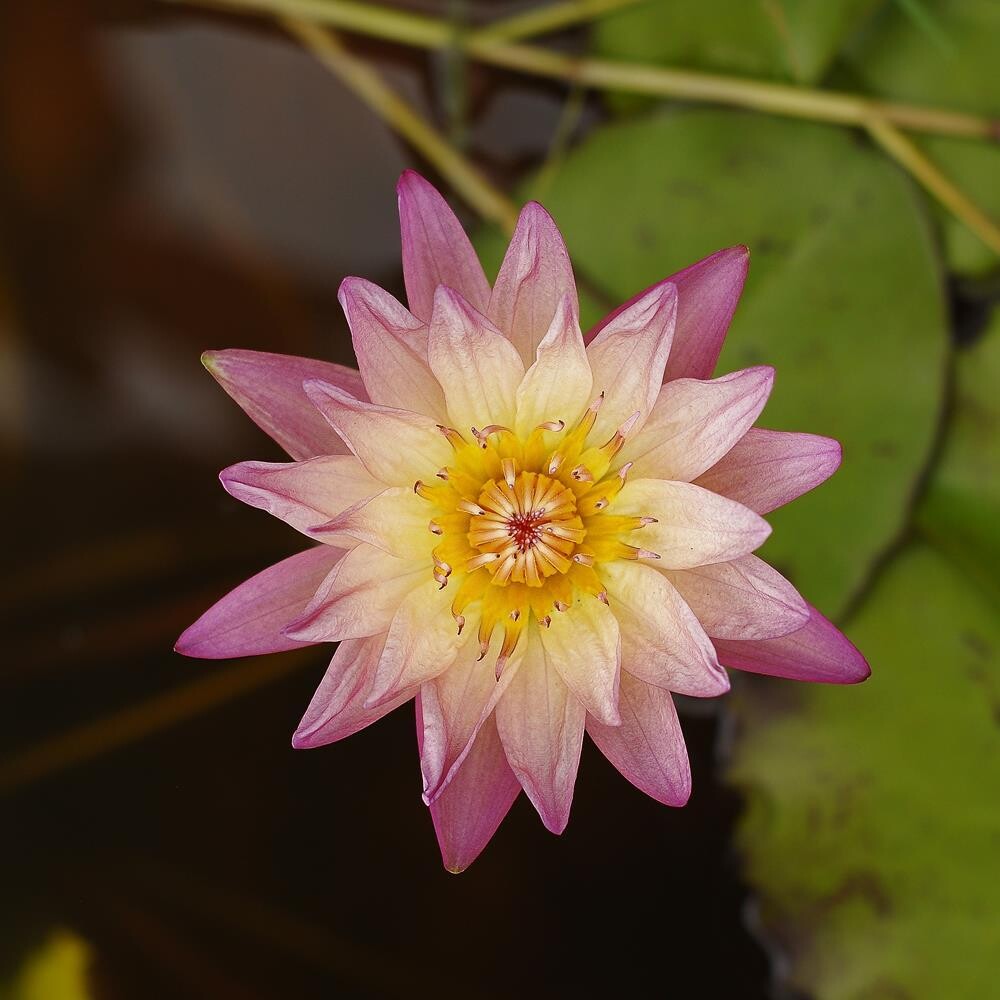
Sadchaipol a Tropical Water Lily
SKU WL021
₹420.00
Sold out
List Price ₹600.00 Save 30%
Sold out
Save this product for later
Customer reviews
Reviews only from verified customers
No reviews yet. You can buy this product and be the first to leave a review.
Sadchaipol a Tropical Water Lily
Product Details
Since tropicals have tubers of small size - we will send you a sprouted tuber which vary in size from 0.5 inch to 1.5 inch.
A tropical water lily held proudly above the water on a stiff stem, its narrow petals shading from soft blush-white at the center through rose to deep magenta at the tips, wrapped around a glowing boss of golden-yellow stamens tipped in red.
Origin of Name
The genus name Nymphaea traces back to the Greek nymphaia and, further still, to nymphē — "nymph" or "bride" — the water-dwelling maiden spirits of Greek mythology. Ancient writers used the word for these floating river and pond flowers long before botany was a formal science, and the association stuck: a flower graceful and pale enough to be mistaken for a nymph rising from the water. Carl Linnaeus formalized Nymphaea as a genus in his 1753 Species Plantarum, cementing the mythological name into modern botanical Latin.
'Sadchaipol' is a Thai name. The name itself combines common Thai name elements: "chai" (ไชย/ชัย), meaning "victory," and "phon" or "pol" (พล), meaning "power" or "strength," are two of the most widely used roots in Thai given names, while "sadcha" echoes "sacca/sat" (สัจจะ/สัตย์), "truth" or "honesty" — together suggesting something like "power of truth" or "true strength."
Origin of Plant
Nymphaea is a genuinely global genus, with roughly 65 wild species growing in still and slow-moving fresh water across the tropics and temperate zones of Asia, Africa, the Americas, and Europe. 'Sadchaipol' belongs to the tropical group within that genus — hybrids bred primarily from warm-climate species such as N. caerulea, N. capensis, and N. colorata, as opposed to the cold-hardy hybrids descended from temperate species. Tropical water lily breeding has a much shorter, more recent history than the hardy hybrids popularized by Joseph Bory Latour-Marliac in 19th-century France; the tropical side of the trade has instead flourished over the past few decades through breeders across the southern United States, India, and especially Thailand, where warm year-round growing conditions and a strong ornamental aquatics industry have produced a steady stream of new, vividly colored cultivars for the regional and export pond trade.
Description
Tropical water lilies like 'Sadchaipol' hold their blooms noticeably higher above the water's surface than their hardy cousins, on thicker, stiffer stems — a useful field mark distinguishing the two groups at a glance. The flower itself is a star-shaped, many-petaled bloom, its innermost petals a soft creamy blush that deepens through rose-pink toward vivid magenta at the outer tips, framing a dense central cluster of golden-yellow stamens with fine reddish tips. Flowers open by day and typically last two to four days before closing for good, floating just above rounded, often mottled or maroon-tinted lily pads on the water's surface. Like many tropical Nymphaea hybrids, it may also produce small plantlets at the center of older leaves — a form of vegetative reproduction called viviparity that's common across the tropical group and rare among hardy water lilies.
Conservation Status
As a cultivated garden hybrid, 'Sadchaipol' has no individual conservation listing — it exists only in cultivation. Most of the roughly 65 wild Nymphaea species are widespread and of no immediate concern, though a handful of geographically restricted species are genuinely threatened by habitat loss, most famously Nymphaea thermarum, a Rwandan pygmy water lily that went extinct in the wild around 2008 and survives today only through cultivated stock. A nursery-propagated hybrid like this one has no bearing on any wild population either way.
Care
Light: Full sun is essential — tropical water lilies generally need even more light than hardy types to bloom well, ideally 6 or more hours of direct sun daily.
Water & Planting Depth: Grow in a planting basket set on the bottom of a pond or large water container, with the crown positioned so it sits roughly 15–30 cm (6–12 in) below the water surface — somewhat shallower than typical hardy water lily planting depth. Still or gently moving water suits it best.
Soil: Heavy aquatic planting soil or garden loam in a mesh basket, topped with pea gravel to keep soil in place.
Temperature: True tropical types, unlike hardy water lilies — they need warm water, ideally above about 21°C (70°F), and cannot survive a frozen or near-freezing pond. In temperate climates, tubers can be lifted and stored indoors over winter, or the plant grown as a seasonal annual.
Feeding & Maintenance: Feed monthly through the growing season with slow-release aquatic fertilizer tablets pushed into the soil near the roots. Deadhead spent blooms and remove yellowing leaves to keep the plant tidy and encourage continued flowering. Divide congested tubers every few years to maintain vigor.
An Interesting Note
The tall, upright stems and long bloom life typical of tropical water lilies like 'Sadchaipol' are exactly why florists prize them as cut flowers — something rarely said of hardy water lilies, whose blooms sit low on the water and close permanently once cut. A single tropical bloom, taken at the right moment, can last several days in a vase, a small everyday luxury most pond owners never think to try.
You May Also Like
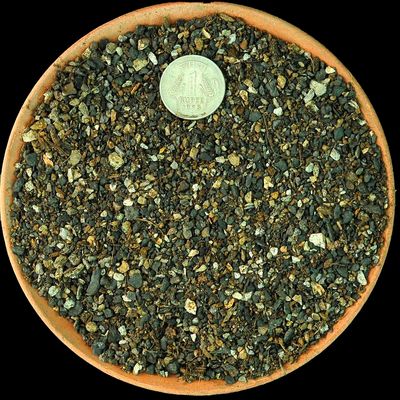
FORTIFIED Cactus & Succulent SOIL (FINE)
FORTIFIED Cactus & Succulent SOIL (FINE)
SKU MNS002
5.0
(4)
₹49.85
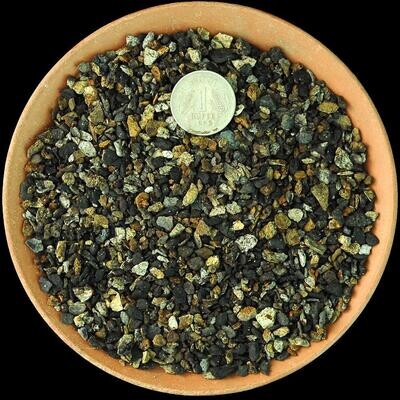
Cactus & Succulent Planting Mix COARSE (aka Cactus Soil Mix or Succulent Soil Mix)
Cactus & Succulent Planting Mix COARSE (aka Cactus Soil Mix or Succulent Soil Mix)
Washed, Free-Draining Mineral Mix for Cactus & Succulents
SKU MNS003
5.0
(1)
₹44.85
New
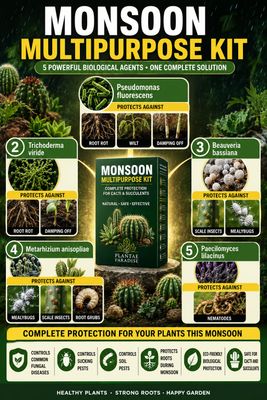

Monsoon Guardian Kit (5 in 1)
Monsoon Guardian Kit (5 in 1)
Complete 5-in-1 biological protection kit for cacti & succulents
SKU MNS024
₹850.00
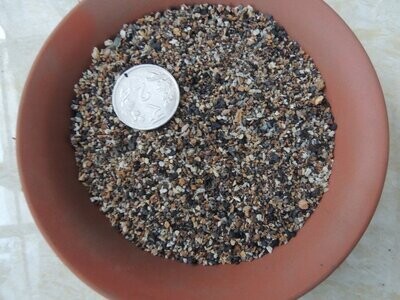
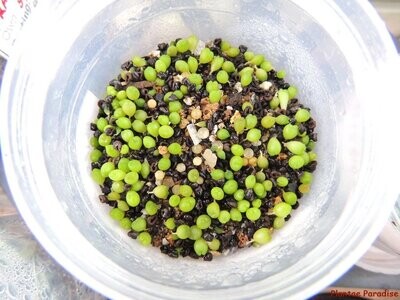
Cactus Seed Planting Mix
Cactus Seed Planting Mix
Sterile, Fine-Grain Media for Cactus & Succulent Seeds
SKU MNS005
₹74.85
Display prices in:INR
