
Categories
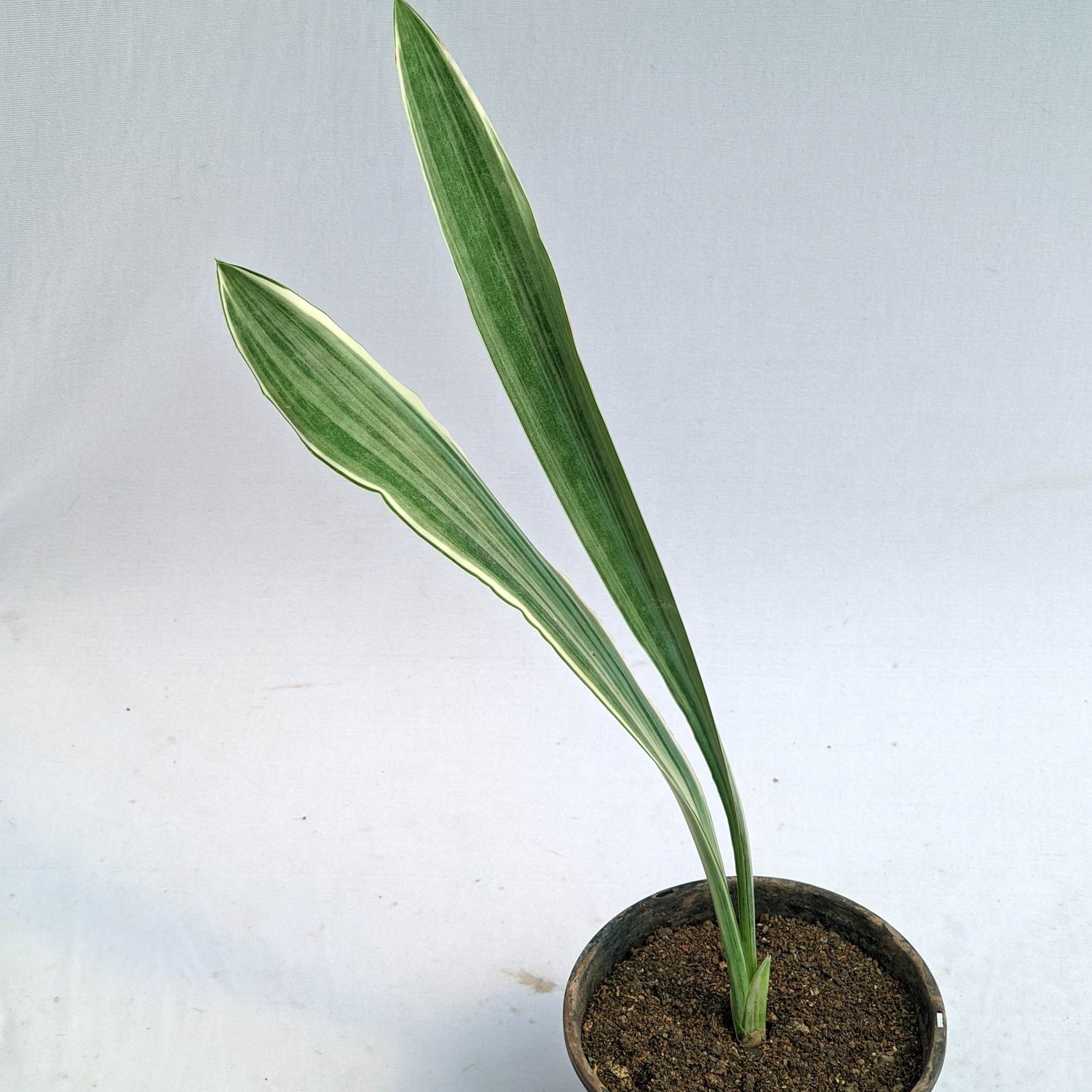
Sansevieria manolin Siam Silver
SKU SN038
₹450.00
In stock: 1 available
1
Save this product for later
Customer reviews
Reviews only from verified customers
No reviews yet. You can buy this product and be the first to leave a review.
Sansevieria manolin Siam Silver
Product Details
Metallic Majesty: Sansevieria 'Siam Silver'
An architectural masterpiece featuring luminous, longitudinal silver variegation and a sleek, vertical silhouette.
- Origin & History of Name: The genus was named by Vincenzo Petagna in 1787 to honor Raimondo di Sangro, the Prince of San Severo. The cultivar name 'Siam Silver' reflects its commercial development in Thailand (formerly Siam), where it was stabilized for the global collector market. It is also frequently traded under the name 'Manolin' or 'Sayuri', representing specific tissue-culture selections of the Sansevieria hyacinthoides or S. guineensis lineage.
- Morphology: This cultivar exhibits a striking variegation pattern consisting of fine, silvery-white longitudinal streaks over a pale green epidermis. The leaves are lanceolate and coriaceous (leathery), growing in an upright, stiffly vertical habit. Unlike common varieties, the silvering is consistent across the leaf surface, lacking the dark horizontal cross-banding typically seen in the genus.
- Habitat & Origin: 'Siam Silver' is a stabilized cultivar derived from species originally native to tropical Africa. This specific silver-dominant form was refined by horticulturalists in Southeast Asia. As a nursery-produced hybrid, it supports environmental sustainability by eliminating the need for wild-harvesting of African succulents.
- Cultivation Profile:
- Substrate: Use a highly-draining mineral-based mix (e.g., 50% scoria or coarse sand, 30% perlite, and 20% cocopeat). In the Indian subcontinent, avoid pure garden soil which compacts during the high-humidity monsoon season.
- Light: Prefers bright, indirect light to maintain silver vibrancy. While it survives in low light, the intensity of the "silver" will fade. In tropical Indian summers, keep away from direct afternoon glass-magnified sun to prevent leaf scorch.
- Water/Dormancy: Extremely drought-tolerant. Water only when the substrate is 100% dry. During the Indian winter (November–February), reduce watering to once a month as the plant enters a semi-dormant state.
- Scientific/Historical Anecdote: Recent molecular phylogenetic studies have officially reclassified the genus Sansevieria into the genus Dracaena. However, the name remains ubiquitous in the horticultural trade. Historically, the tough fibers of the parent species were used to manufacture high-quality bowstrings, earning the genus its common nickname, "Bowstring Hemp."
You May Also Like
New
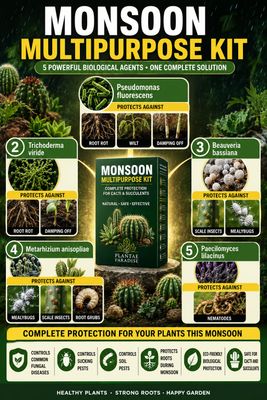
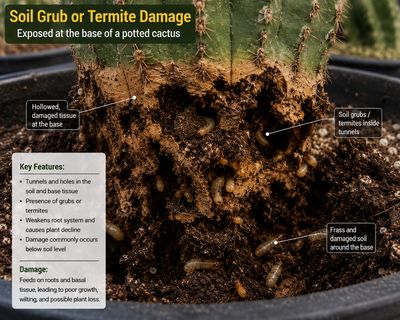
Monsoon Guardian Kit (5 in 1)
Monsoon Guardian Kit (5 in 1)
Complete 5-in-1 biological protection kit for cacti & succulents
SKU MNS024
₹850.00

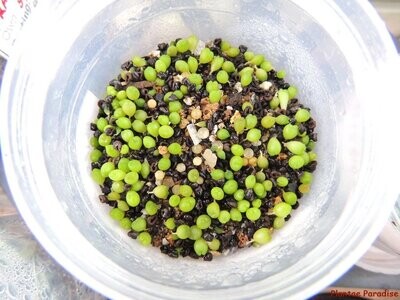
Cactus Seed Planting Mix
Cactus Seed Planting Mix
Sterile, Fine-Grain Media for Cactus & Succulent Seeds
SKU MNS005
₹74.85

FORTIFIED Cactus & Succulent SOIL (FINE)
FORTIFIED Cactus & Succulent SOIL (FINE)
SKU MNS002
5.0
(4)
₹49.85

Cactus & Succulent Planting Mix COARSE (aka Cactus Soil Mix or Succulent Soil Mix)
Cactus & Succulent Planting Mix COARSE (aka Cactus Soil Mix or Succulent Soil Mix)
Washed, Free-Draining Mineral Mix for Cactus & Succulents
SKU MNS003
5.0
(1)
₹44.85
Display prices in:INR
