
Categories
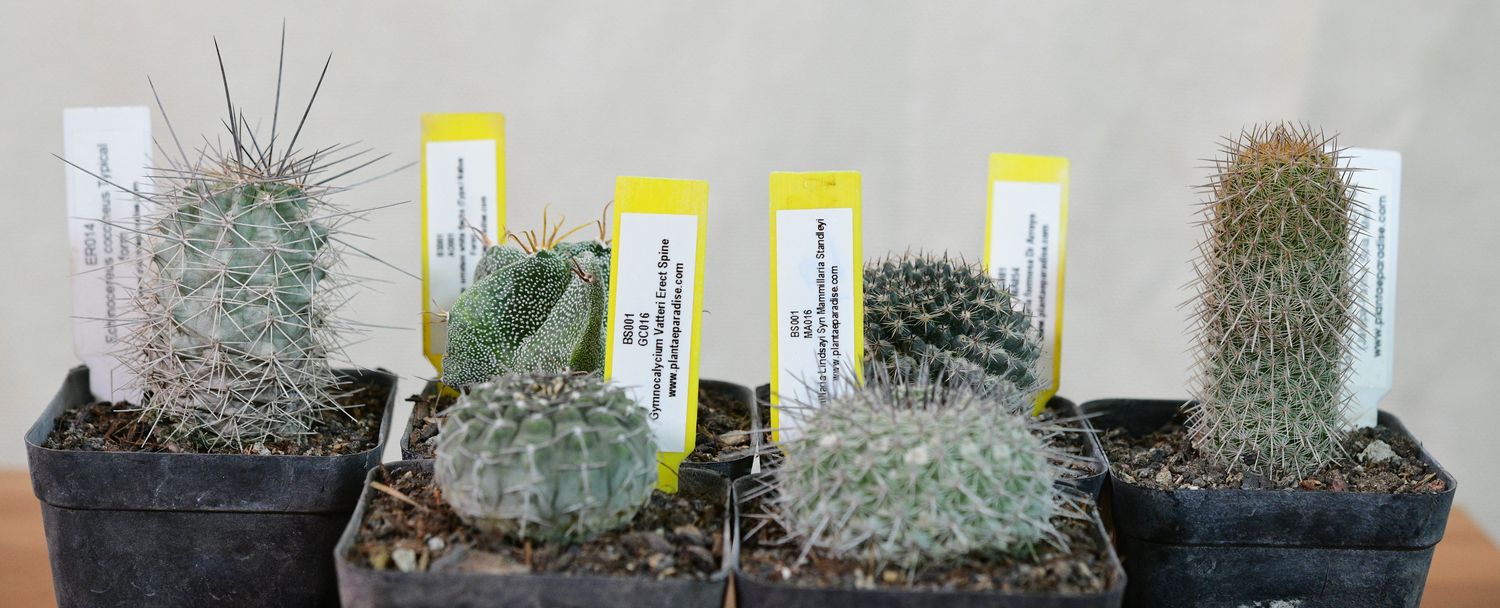
Set of Six Spiky Elegant Cactus
SKU BS001
₹950.00
In stock: 5 available
1
Save this product for later
Customer reviews
Reviews only from verified customers
No reviews yet. You can buy this product and be the first to leave a review.
Set of Six Spiky Elegant Cactus
Product Details
Six Distinct Forms — A Collector's Sampler
A compact but genuinely varied line-up spanning three continents' worth of cactus genera in six small pots — from an Argentine chin cactus to a spineless Mexican bishop's cap to a golden-spined columnar species with a documented wild collection history. A good set for anyone who wants breadth rather than a single genus deep-dive.
1. Gymnocalycium "Vatteri" Erect Spine
A slow-growing Argentine species (native to Catamarca and Córdoba) recognisable by its flattened, dull grey-green to blue-green body and short, stiff spines pressed close against it — this particular form selected for spines that stand more upright than the typically curved wild type. Rewards patience with large white flowers blushed pink to brownish-red at the throat.
2. Mammillaria lindsayi (syn. Mammillaria standleyi)
A clumping Mexican Mammillaria from the canyon walls of Chihuahua and Sinaloa, where it grows tucked into leaf-mould in rock crevices at around 2,000 m elevation. Densely woolly at the crown with white, twisted bristles and fine white radial spines set off by darker centrals, it eventually opens small, light greenish-yellow flowers.
3. Echinocereus coccineus (Typical form) — Scarlet Hedgehog Cactus
A true hedgehog cactus from the arid uplands of the southwestern US and northern Mexico (Sonora, Chihuahua, Coahuila), where it clusters into dense mounds of spiny, cylindrical stems. Its common and species names both point to its main event: vivid scarlet, funnel-shaped flowers in late spring, a favourite of hummingbirds and bees alike, followed by edible red fruit.
4. Astrophytum ornatum (White-flecked, Type/Native form)
The wild-type coloring of the largest species in the Astrophytum genus — young plants like this one show the characteristic broad, diagonal bands of white woolly flecking running between sharp ribs, a striking contrast to the smoother "nudum" forms bred to lack it. Native to canyon walls and limestone cliffs in Hidalgo, Querétaro, and Guanajuato, Mexico, it can eventually grow into a towering columnar specimen over a metre tall.
5. Mammillaria formosa "Dr. Arroyo"
A form of this variable, cluster-forming Mexican species traced to seed collected near Doctor Arroyo in Nuevo León — one of several named localities collectors use to track distinct wild populations of M. formosa. Woolly, close-set tubercles carry fine white radial spines around pinkish-brown centrals, and with age the plant builds into an increasingly impressive, multi-headed mound topped with pale pink to white flowers.
6. Mammillaria eriacantha "Lau 1104" (Jalapa–Palma Sola, Mexico)
A slender, columnar Mammillaria from Veracruz, its species name drawn from the Greek for "woolly-spined" — a fitting description of the dense, softly pubescent, golden-yellow spines that wrap the entire stem. The "Lau" designation refers to a wild-collected field number, a convention used by cactus collectors (most famously the collector Alfred B. Lau) to record the exact population a seed-grown plant traces back to — in this case, the Jalapa–Palma Sola region of Veracruz.
You May Also Like
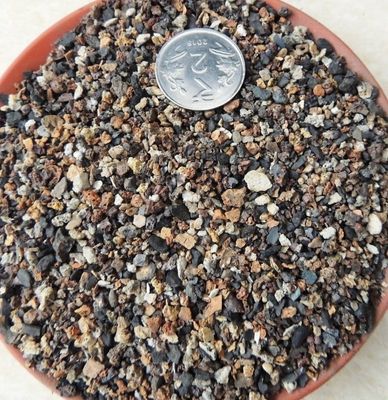
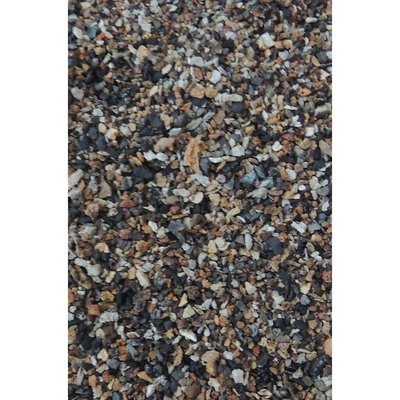
Cactus & Succulent Planting Mix FINE (aka Cactus Soil Mix or Succulent Soil Mix)
Cactus & Succulent Planting Mix FINE (aka Cactus Soil Mix or Succulent Soil Mix)
Fine-Grain Potting Mix for Cactus & Succulent Roots
SKU MNS001
5.0
(3)
₹39.85
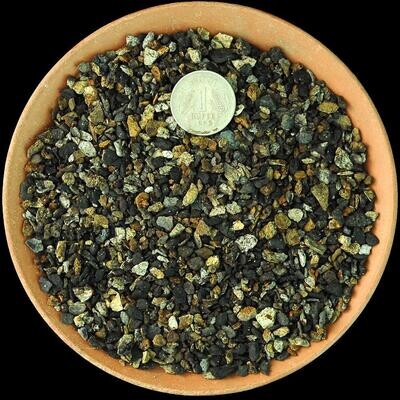
Cactus & Succulent Planting Mix COARSE (aka Cactus Soil Mix or Succulent Soil Mix)
Cactus & Succulent Planting Mix COARSE (aka Cactus Soil Mix or Succulent Soil Mix)
Washed, Free-Draining Mineral Mix for Cactus & Succulents
SKU MNS003
5.0
(1)
₹44.85
New
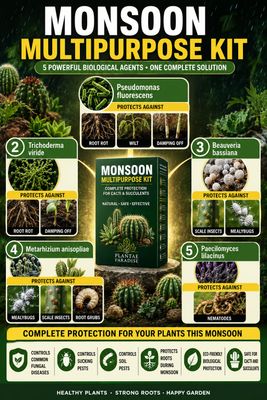
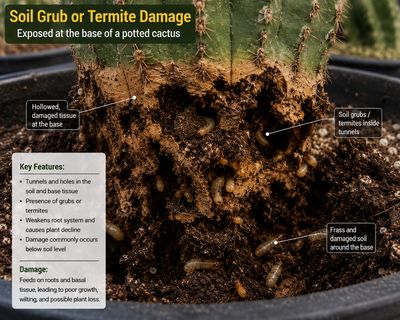
Monsoon Guardian Kit (5 in 1)
Monsoon Guardian Kit (5 in 1)
Complete 5-in-1 biological protection kit for cacti & succulents
SKU MNS024
₹850.00
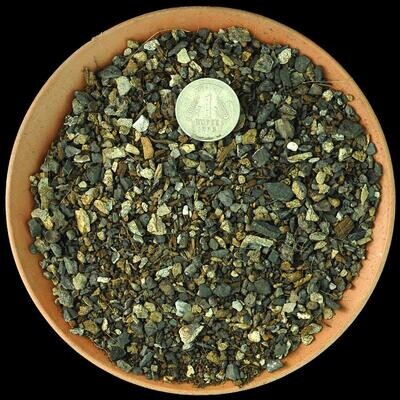
FORTIFIED Cactus & Succulent SOIL (COARSE)
FORTIFIED Cactus & Succulent SOIL (COARSE)
SKU MNS004
5.0
(11)
₹54.85
Display prices in:INR
